High winds are a familiar concern for homeowners in Oklahoma City. After a severe weather alert passes, many residents focus on roofs and landscaping but forget to evaluate their fencing. Performing a detailed inspection after strong gusts can protect the long-term stability of your wood fence installation and prevent small issues from turning into costly repairs. Homeowners who partner with Top Rail Fence Oklahoma City often receive guidance on how to properly assess their fences after storms to ensure continued durability and safety.
Start With a Full Perimeter Walkthrough
The first step after a high-wind warning is a slow, methodical walk along the entire fence line. This allows you to identify visible damage and subtle shifts that may not be obvious at first glance.
Check for Leaning Posts
Strong gusts can gradually loosen posts, especially if soil has been saturated by rain. Even a slight lean may indicate that your wood fence installation needs reinforcement. Press gently against each post to test stability. If movement is noticeable, it may be time to consult a professional for corrective fence installation support.
Inspect Panel Alignment
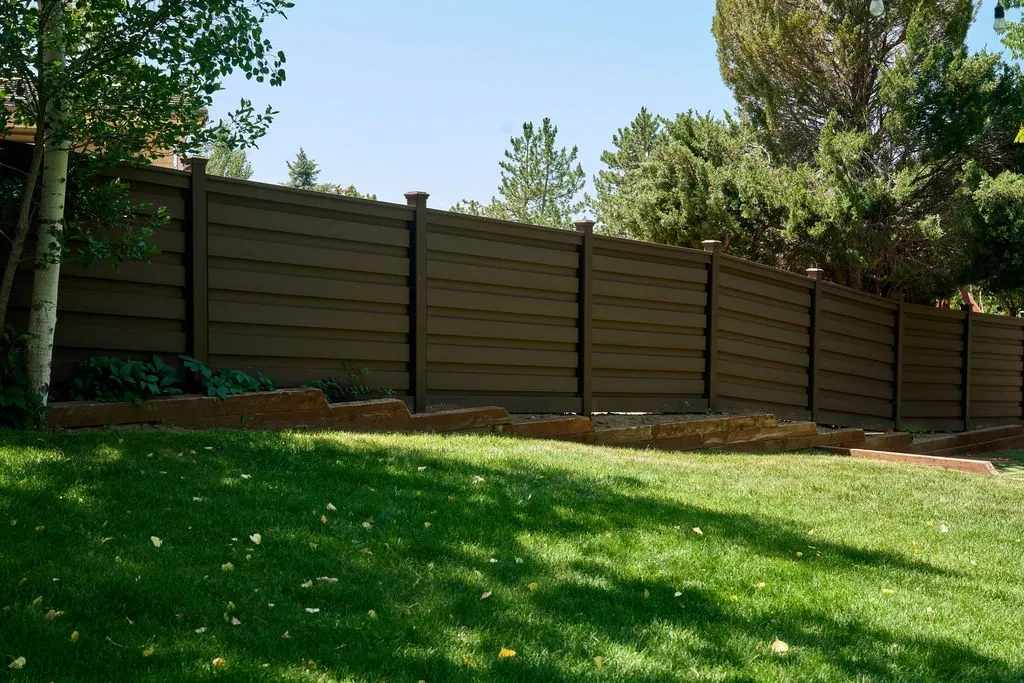
Wind pressure often pushes against wide fence sections, particularly in solid privacy designs. Look for uneven board spacing, misaligned rails, or sections that appear bowed. These signs suggest that your wood fencing absorbed stress during the storm.
Examine Gates and Hardware Closely
Gates experience additional strain during high winds because they move freely. A thorough check ensures they continue functioning safely.
Test Gate Swing and Latch
Open and close each gate several times. If the latch does not align properly or the gate drags against the ground, the storm may have shifted hinge posts. Prompt adjustments can prevent long-term structural damage to your wood fence installation.
Tighten Hardware Components
Wind vibrations can loosen screws and brackets. Inspect hinges, latch plates, and connecting hardware. Reinforcing these elements strengthens overall wood fencing performance and reduces the chance of sagging.
Evaluate Boards for Cracks and Splits
Wood is a durable material, but extreme weather can expose vulnerabilities.
Look for Surface Damage
Check each board for cracks, splinters, or warping. Even minor splits can expand if left untreated. Addressing these concerns quickly helps preserve the integrity of your privacy fence installation.
Identify Dislodged Panels
High gusts may loosen nails or fasteners, causing boards to shift. Realigning and securing these boards ensures your wood fence installation remains structurally sound and visually consistent.
Assess Post Stability Below Ground
Wind impact is not limited to visible components. Subsurface stability plays a critical role in long-term durability.
Monitor Soil Erosion
Heavy rainfall combined with strong winds can erode soil around posts. Check for exposed concrete or gaps at the base of each post. Professional fence installation techniques typically account for drainage, but periodic checks are still essential.
Confirm Proper Post Depth
If you notice significant movement, deeper reinforcement may be necessary. According to guidance from the National Weather Service Norman Office, severe wind events in central Oklahoma can produce gusts strong enough to affect outdoor structures. Ensuring posts are anchored securely protects your wood fencing from future storms.
Review Fence Line Tension and Straightness
A straight fence line indicates structural integrity. Wind may cause subtle shifts that compromise alignment.
Sight Down the Fence Line
Stand at one corner and visually follow the length of your fence. Look for sections that appear uneven or wavy. Early detection allows for targeted repairs without requiring the full replacement of your wood fence installation.
Reinforce High-Exposure Areas
Corners and long, uninterrupted runs are particularly vulnerable to wind stress. Adding support braces or reinforcing posts strengthens your privacy fence installation against recurring weather events.
Midway through your inspection process, it can be helpful to review professional recommendations for wood fencing solutions to better understand how structural components contribute to storm resistance.
Check for Moisture-Related Concerns
Storms often bring heavy rain alongside strong winds. Moisture can impact wood performance if not addressed.
Inspect for Water Absorption
Darkened areas or soft spots may indicate moisture penetration. Sealing exposed wood after a storm helps extend the life of your wood fence installation.
Remove Debris Promptly
Leaves, branches, and other debris can trap moisture against boards. Clearing these materials preserves airflow and protects your wood fencing from premature wear.
Plan Preventive Maintenance
Post-storm inspections provide an opportunity to strengthen your fence for the future.
Apply Protective Sealants
If your fence has not been sealed recently, consider applying a protective treatment. Proper maintenance enhances the longevity of your privacy fence installation and reduces susceptibility to wind damage.
Schedule Professional Evaluation
If any concerns arise during your inspection, contacting experienced installers ensures accurate assessment and timely repairs. Top Rail Fence Oklahoma City provides expert guidance tailored to the specific weather patterns of Oklahoma City, helping homeowners safeguard their investment.
When Repairs Turn Into Upgrades
Sometimes storm damage reveals opportunities for improvement.
Reinforcing Weak Sections
Replacing compromised boards or upgrading to thicker rails can improve resilience. Professional fence installation adjustments may extend the lifespan of your existing wood fence installation.
Considering Enhanced Privacy Designs
If wind repeatedly affects your current layout, adjusting panel spacing or incorporating reinforced framing may strengthen your privacy fence installation while maintaining aesthetic appeal.
Homeowners seeking reliable solutions can rely on Top Rail Fence Oklahoma City for expert recommendations and professional repairs. Their experience with local climate conditions ensures every wood fence installation meets durability standards specific to Oklahoma City.
For personalized support after a high-wind event, reach out through the Contact Us page to connect with Top Rail Fence Oklahoma City. By conducting regular inspections, addressing minor issues quickly, and investing in quality wood fencing, you can maintain a secure and attractive perimeter that withstands Oklahoma’s changing weather patterns year after year.