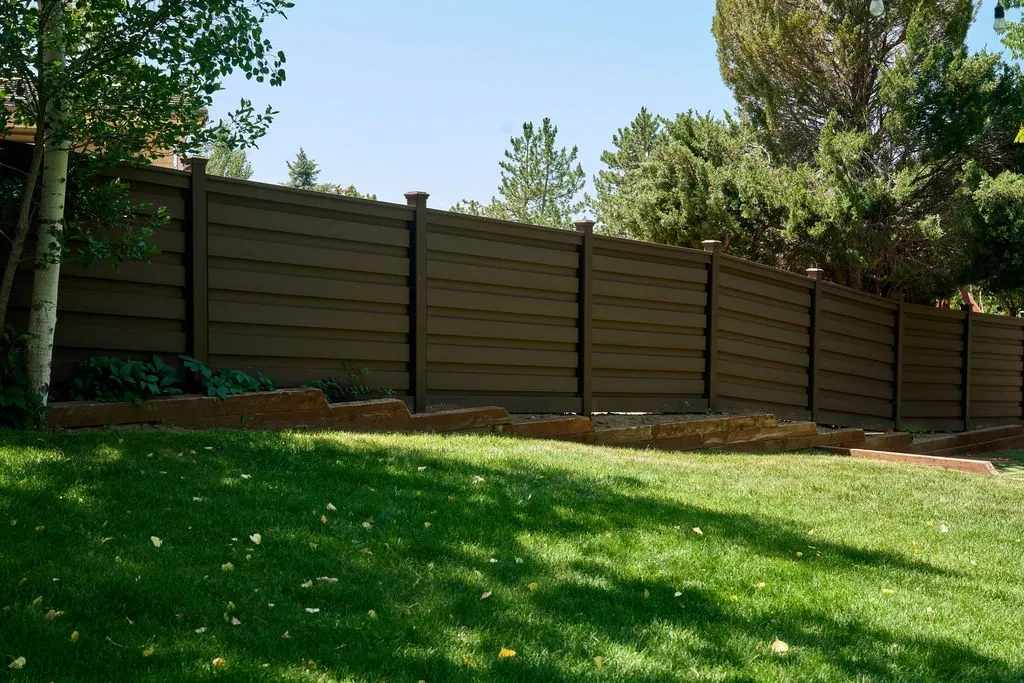
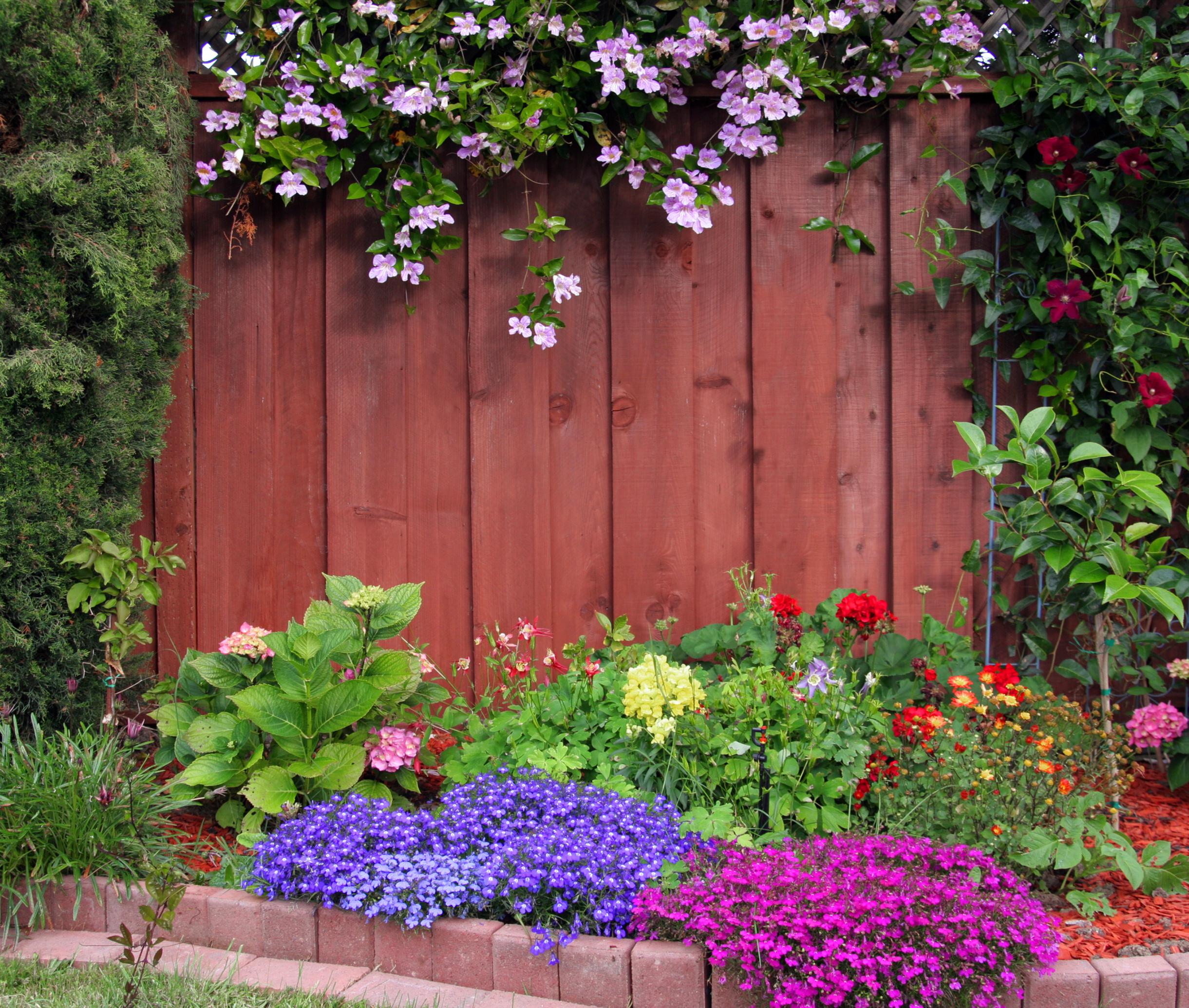
Innovative approaches to fence installation are redefining the look and performance of property boundaries across South Jersey. Whether you’re building a new enclosure or upgrading an existing one, modern techniques can significantly improve longevity, appearance, and convenience. In this post, we’ll dive into which methods are gaining popularity, how to choose suitable fence materials, and what every homeowner should know about residential fence installation and privacy fence installation in this region.
At Top Rail Fence South Jersey, we’ve helped many local homeowners bring contemporary fencing ideas to life, combining style, durability, and function.
Why Modern Methods Matter More Now
Older fencing techniques often fall short when dealing with today’s demands: shifting soil, heavier rainfall, stronger wind loads, or just evolving architectural tastes. Using up-to-date fence installation practices helps prevent early sagging, warping, or structural instability.
By prioritizing correct post setting, smart footing design, and precision alignment, modern installations ensure your fence remains visually consistent and structurally sound through years of weather cycles.
Key Innovation Areas in Modern Fence Installation
Below are some of the techniques and trends that set modern fencing apart, especially for residential fence installation in South Jersey.
Deep-Set, Reinforced Footings
Instead of shallow holes, many installers now dig deeper and use reinforced concrete with rebar or steel sleeves. This provides extra lateral strength, especially in wet or sandy soils.
Precision Alignment and String-Tension Layouts
Before any post is set, installers stretch guide strings at a uniform height to keep the fence line perfectly straight. This reduces cumulative error and ensures consistent panel height across undulating terrain.
Integrated Drainage Consideration
Modern installers leave a slight air space at the bottom of panels or include drainage strips to prevent water from backing up against the fence base. This protects against rot and reduces pressure during heavy storms.
Use of Composite Post Sleeves
In areas prone to shifting or freeze-thaw cycles, a composite or protective sleeve around posts isolates them from soil contact, reducing corrosion or decay depending on the material used.
Modular Panel Systems
Prefabricated fence panels designed to interlock make installation faster, reduce manual adjustment, and allow easier replacement of individual sections. These systems are gaining traction in modern fence material selection.
Matching Materials to Style & Function
Choosing the right materials is just as important as using modern techniques. Your choice affects aesthetics, maintenance needs, and performance. Here are common options for residential fence installation today:
- Vinyl / PVC: Very low maintenance, resists moisture and insects, ideal for clean, contemporary looks.
- Composite / Cellular PVC: Combines appearance and durability with hidden reinforcements.
- Aluminum / Powder-Coated Metals: Lightweight yet strong, often used for decorative or semi-private fences.
- Steel / Wrought Iron: Classic strength and elegance, better for long spans or higher-security applications.
- Wood / Engineered Wood Hybrids: Still popular for a natural look—often used in mixed-material designs when treated properly.
Using modern fence installation methods with these materials ensures optimal performance. For example, a privacy fence installation with vinyl needs accurate spacing and solid anchoring to prevent wind uplift.
Steps to Prepare Your Yard for a Smooth Project
Before contractors break ground, taking care of a few preparatory steps ensures minimal surprises and a better result.
1. Confirm Property Lines & Survey
Get your official plot or survey before proceeding. Fence misplacement can trigger legal disputes.
2. Check Local Codes & HOA Rules
Different South Jersey municipalities have height limits, setback rules, or aesthetic requirements. A helpful guide on New Jersey fence law notes that local municipalities often regulate fence height, materials, and design (for example, “No fence or wall shall be constructed with metal spikes …” in residential areas).
3. Assess Terrain & Soil Conditions
Note slopes, drainage patterns, or hidden obstacles (rocks, roots, old footings). These affect post depth and layout.
4. Select Your Design Approach
Decide whether you want privacy fence installation, semi-private, or decorative styles. Each requires different structural considerations.
5. Coordinate Utility Marking
Call for underground utility marking before digging to avoid damaging cables or pipes.
What Happens on Installation Day
Here’s a typical flow of how modern fence installation unfolds:
- Layout & final alignment checks using strings and levels.
- Drill or dig post holes and pour footings with reinforcement.
- Install posts, ensuring perfect vertical alignment.
- Attach rails, panels, or pickets, making any fine adjustments for slope.
- Add finishing elements, caps, gates, and hardware.
- Clean the site, test gate functionality, and do a final inspection with the homeowner.
When done right, the fence immediately showcases clean lines and structural integrity.
Maintenance Tips for Long-Term Durability
A modern installation sets the stage, but care helps preserve it. Some tips:
- Rinse surface debris with a garden hose every season.
- Inspect post bases for settling and regrade soil if water pools.
- Tighten gate hardware as needed.
- Touch up paint or coating for metal fences if scratch damage appears.
- Trim vegetation and preserve clearance between plants and fence surfaces.
Final Thoughts
Modern fence installation techniques help transform South Jersey yards from plain to polished, making fences that are beautiful, strong, and long-lasting. By combining updated installation methods with the right fence materials and strategic planning, homeowners can enjoy elegant, functional boundaries that elevate their properties.
For professional execution and local expertise, Top Rail Fence South Jersey is ready to bring your vision to life with unmatched quality. To begin your project, explore our South Jersey location page and reach out via our Contact Us page.