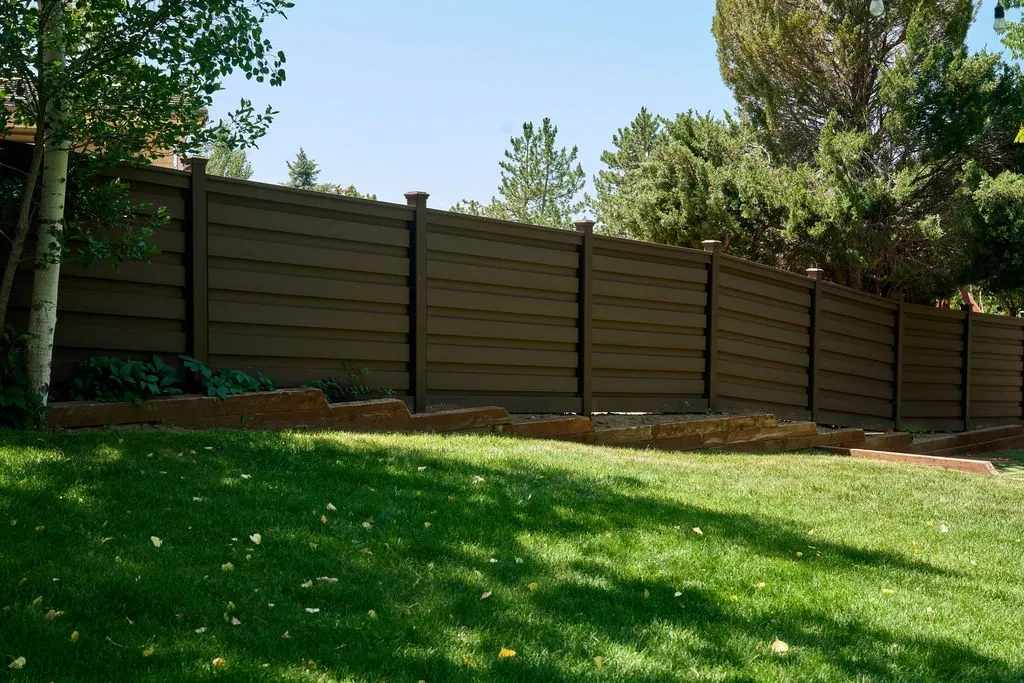
When homeowners think about fencing, the conversation used to stop at privacy and property lines. In South Jersey, that mindset is shifting fast. Today, vinyl fence installation is being approached as an architectural decision, one that shapes how a home looks, feels, and functions from the street to the backyard. As neighborhoods evolve and exterior design becomes more intentional, vinyl fencing is stepping into a much more design-forward role.
This shift is especially noticeable among homeowners exploring modern layouts, layered outdoor spaces, and long-term exterior upgrades through trusted providers like Top Rail Fence South Jersey, where fence planning increasingly mirrors architectural planning rather than simple enclosure.
How Vinyl Fencing Moved Beyond Utility
Vinyl fencing was once chosen primarily for durability and low maintenance. While those benefits still matter, homeowners are now drawn to how vinyl integrates with architectural styles, rooflines, and landscaping.
Rather than hiding a fence behind shrubs, many South Jersey homeowners are placing it front and center as a visual element. This evolution is driven by advances in vinyl fence designs, improved manufacturing techniques, and a growing interest in cohesive exterior aesthetics.
Clean Lines and Structured Profiles
Modern vinyl fences are designed with sharper lines, balanced proportions, and consistent spacing. These details matter when a fence runs alongside a driveway, frames a front yard, or defines outdoor living areas.
Architectural vinyl fencing often features:
- Symmetrical panel spacing that aligns with windows and doors
- Horizontal and vertical combinations that echo siding patterns
- Post caps and rails that act as subtle architectural accents
These details elevate vinyl fence installation from a functional task to a design decision that complements the home itself.
The Rise of Style-Driven Vinyl Choices
Homeowners are no longer asking only how tall a fence should be. They are asking how it should look from every angle and how it fits the home’s identity.
Expanding Vinyl Fence Styles
Traditional white vinyl is no longer the only option. Today’s vinyl fence styles include textured finishes, neutral tones, and contemporary profiles that suit everything from coastal homes to modern farmhouses.
Popular architectural-inspired options include:
- Smooth panel fences with minimal ornamentation
- Semi-private designs that balance airflow and visibility
- Matte finishes that reduce glare and feel more refined
These options allow vinyl fencing to feel intentional rather than generic.
Privacy With Purpose
A vinyl privacy fence is no longer just about blocking views. In architectural layouts, privacy fencing is used to create outdoor “rooms,” guide foot traffic, and define transitions between spaces.
Homeowners are using vinyl privacy fencing to:
- Enclose patios without closing off light
- Separate pool areas while maintaining clean sightlines
- Frame backyards in a way that feels structured, not boxed-in
Midway through planning, many homeowners reference inspiration from exterior design publications like Architectural Digest’s outdoor design features to better understand how fencing can support architectural flow without overwhelming the property.
Why Vinyl Fits Architectural Thinking Better Than Wood
While wood fencing has character, vinyl offers consistency, something architecture relies on. Vinyl panels maintain uniform dimensions, color stability, and alignment over time.
This makes vinyl fence installation ideal for homeowners who want their exterior design to look intentional year after year without seasonal warping or frequent refinishing.
Architecturally, vinyl works well because it:
- Maintains straight lines across long runs
- Preserves color balance against siding and trim
- Allows for precise spacing and layout planning
These qualities are why designers increasingly recommend vinyl when exterior symmetry matters.
Neighborhood Design and Curb Appeal in South Jersey
Many South Jersey communities are seeing renewed focus on curb appeal, whether through renovations, new builds, or neighborhood guidelines. Vinyl fencing fits naturally into this trend because it adapts to different architectural environments without dominating them.
Homeowners often choose vinyl fencing that mirrors:
- Porch railings and balcony lines
- Window trim proportions
- Driveway and walkway geometry
When installed correctly, vinyl fencing doesn’t compete with architecture, it reinforces it.
Planning the Right Installation Approach
Architectural fencing requires thoughtful planning. Height, spacing, and layout all matter more when a fence is part of the visual structure of the property.
Working with professionals like Top Rail Fence South Jersey ensures that vinyl fence installation is aligned with the home’s layout, not just property boundaries. Installation decisions often include:
- Adjusting panel heights to follow grade changes
- Aligning fence breaks with architectural features
- Selecting styles that transition cleanly between front and back yards
These details separate basic fencing from architectural fencing.
Long-Term Value of Architectural Vinyl Fencing
Beyond looks, architectural vinyl fencing offers long-term value. Its durability supports the idea of fencing as a permanent design element rather than a temporary solution.
Homeowners benefit from:
- Consistent appearance over decades
- Minimal maintenance requirements
- Strong resale appeal due to modern aesthetics
Vinyl fencing becomes part of the home’s design language, not a background feature.
Final Thoughts on Design-Driven Vinyl Fencing
The rise of architectural fencing reflects how homeowners think differently about their outdoor spaces. In South Jersey, vinyl fencing is no longer chosen just for convenience, it’s chosen for how it shapes space, frames views, and supports architectural intent.
If you’re considering a design-forward approach to vinyl fence installation, working with experienced professionals like Top Rail Fence South Jersey can help ensure your fence enhances both form and function. When you’re ready to explore your options or discuss a custom layout, reach out through the Contact Us page to start planning a fence that feels truly architectural.