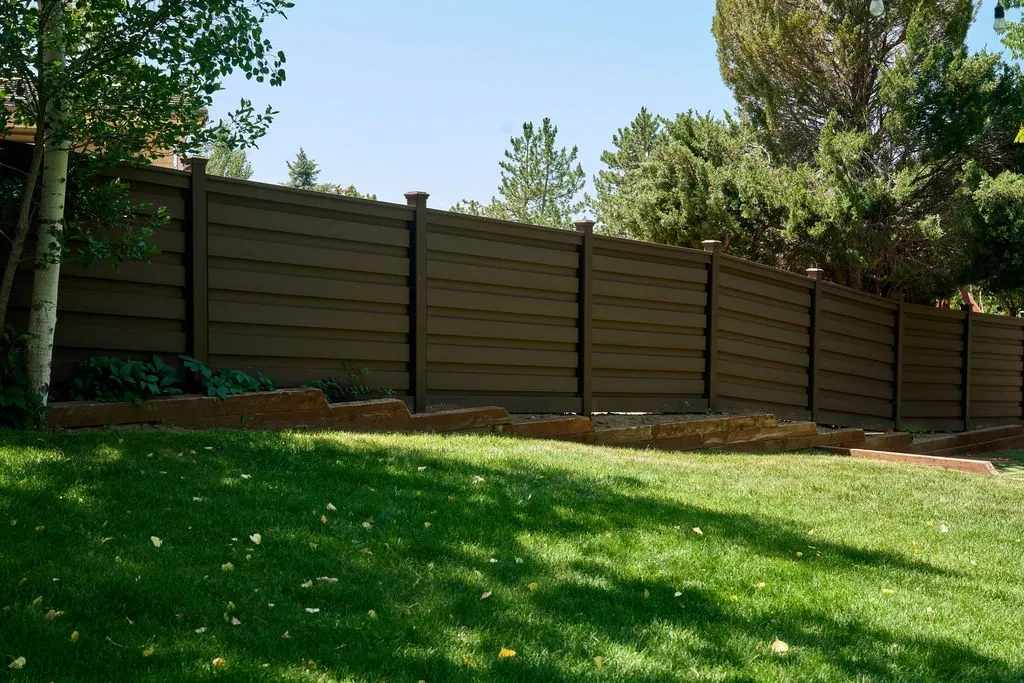
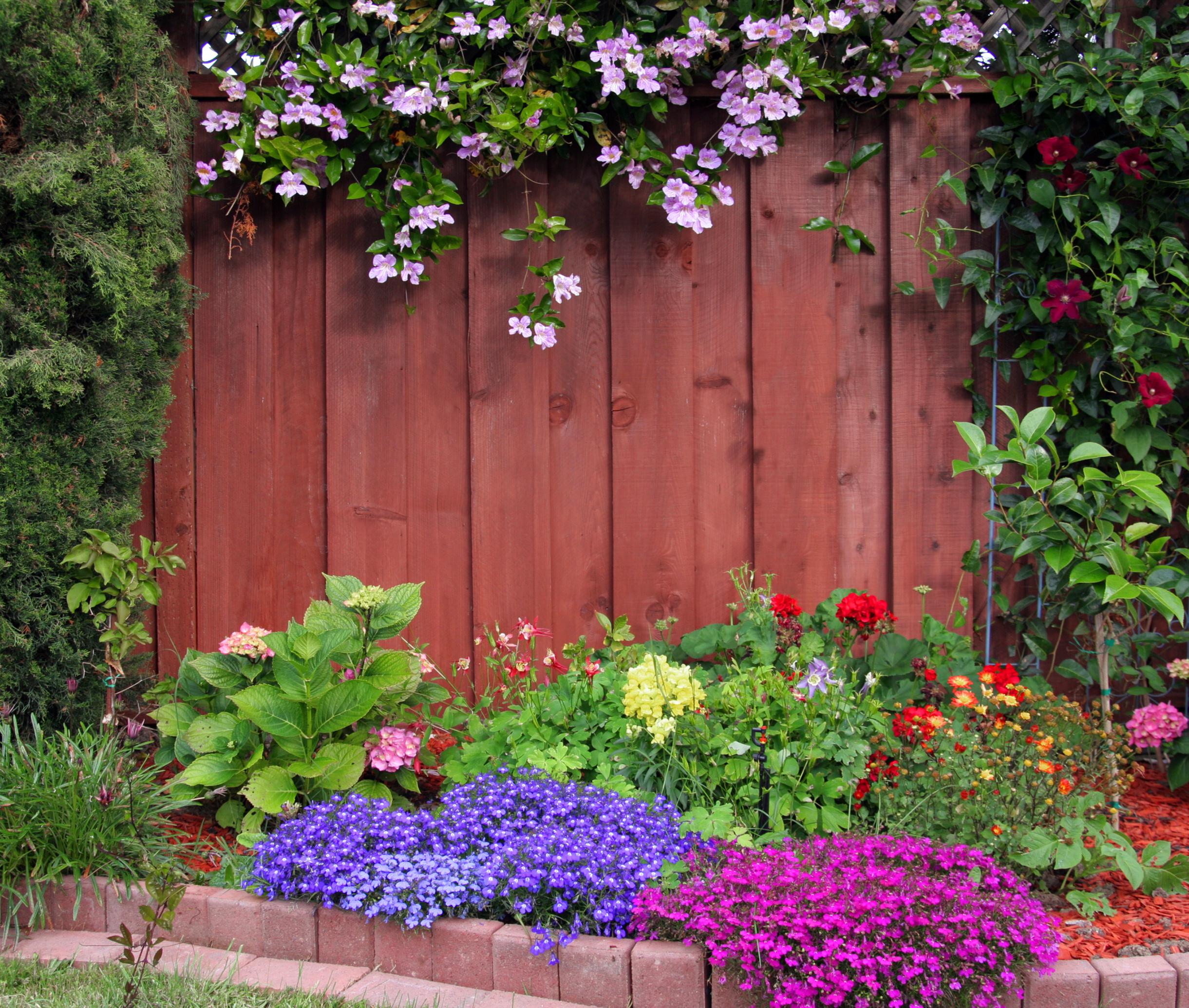
Living near the coast has undeniable benefits, but it also brings environmental conditions that affect exterior structures. In South Jersey, salt air drifting inland and consistent backyard irrigation both influence how a fence ages over time. For homeowners considering or maintaining wood fence installation, understanding how these elements interact with natural materials is essential.
Many residents begin their research by reviewing local project examples on the Top Rail Fence South Jersey page, where climate-conscious wood fence installation strategies are designed specifically for coastal neighborhoods.
Coastal Air and Its Impact on Wood Fencing
Salt air may seem harmless, but microscopic salt particles settle on outdoor surfaces throughout the year. Over time, this exposure can affect the longevity and appearance of wood fencing.
Surface Residue and Moisture Retention
Salt particles attract and hold moisture. When they accumulate on a fence, they create a slightly damp surface layer even on dry days. For a wood privacy fence, this persistent moisture can accelerate minor surface wear if not addressed.
Regular rinsing and protective sealing reduce the likelihood of salt buildup. High-quality wood fence installation also includes proper spacing between boards to allow airflow, which helps surfaces dry more efficiently after exposure to humid coastal breezes.
Gradual Weathering of Natural Grain
Wood is a living material that responds to its environment. In coastal regions of South Jersey, salt air can subtly affect the grain’s texture over time. While this weathering often contributes to a rustic charm, homeowners who prefer a consistent finish should plan for routine wood fence maintenance.
Applying a UV-resistant sealant not only protects against sunlight but also creates a barrier that limits salt penetration into the wood fibers.
Irrigation Systems and Fence Longevity
Beyond salt air, irrigation patterns play a significant role in how a fence performs. Automatic sprinkler systems are common in South Jersey, especially in well-maintained suburban landscapes.
Direct Spray on Fence Panels
When sprinkler heads consistently spray water against fence boards, the lower sections absorb moisture more frequently than intended. Over months or years, this can lead to uneven aging in a wood privacy fence.
Adjusting sprinkler angles and ensuring heads are positioned away from panels can significantly extend the lifespan of your wood fencing. During professional wood fence installation, installers often recommend evaluating irrigation placement to avoid repeated direct contact.
Soil Saturation Around Posts
Irrigation systems can also oversaturate soil near fence posts. Excess moisture at the base of posts may weaken structural stability over time. Proper drainage and post-setting techniques are essential for preventing premature shifting.
Professionally executed wood fencing services account for these moisture variables by anchoring posts securely and grading soil to promote runoff away from structural supports.
Material Selection for Coastal Durability
Not all wood species respond the same way to salt exposure and irrigation cycles. Choosing the right material during wood fence installation can significantly impact performance.
Cedar and Its Natural Resistance
Cedar is a popular choice in South Jersey due to its natural resistance to insects and decay. Its oils provide added protection against moisture absorption, making it well-suited for coastal environments.
A cedar wood privacy fence maintains structural integrity while offering a warm, natural aesthetic that complements backyard landscaping.
Pressure-Treated Pine for Added Protection
Pressure-treated pine undergoes a treatment process that enhances resistance to rot and insect damage. For homeowners seeking a balance between affordability and durability, this option supports reliable wood fencing performance when combined with consistent wood fence maintenance.
According to insights from Fine Homebuilding, selecting wood designed for exterior exposure is critical in humid and coastal climates.
Maintenance Strategies That Support Longevity
Owning a fence near the coast requires proactive care. Seasonal inspections and protective treatments help ensure that your wood fence installation continues to perform well.
Routine Cleaning and Inspection
At least twice a year, inspect your fence for discoloration, loose boards, or minor cracks. Rinse away salt residue and debris that may trap moisture against the wood surface.
Consistent wood fence maintenance prevents small cosmetic issues from developing into structural concerns.
Sealing and Staining
Applying stain or sealant creates a protective barrier that reduces water absorption and enhances color retention. For a wood privacy fence, sealing not only improves appearance but also strengthens the surface against environmental stress.
Homeowners in South Jersey often schedule sealing projects in late spring or early fall when temperatures are moderate and humidity levels are manageable.
Installation Techniques That Make a Difference
While maintenance plays an important role, the foundation of long-term durability begins with proper wood fence installation.
Elevating Boards From Direct Soil Contact
During installation, keeping fence boards slightly elevated above ground level reduces prolonged exposure to standing water. This simple design adjustment protects lower panels from excessive moisture accumulation caused by irrigation runoff.
Post Depth and Concrete Footings
Secure posts are essential in coastal soil conditions. Deeply set posts with reinforced concrete footings help stabilize your wood fencing against shifting caused by saturated soil.
Homeowners who work with Top Rail Fence South Jersey benefit from installation practices tailored to regional environmental patterns. Their expertise ensures each wood fence installation accounts for salt air exposure and irrigation considerations.
Protecting Your Investment in South Jersey
A well-built fence enhances privacy, security, and property value. However, coastal influences require thoughtful planning and ongoing attention.
Residents across South Jersey trust Top Rail Fence South Jersey for professional guidance on wood fence maintenance and durable installation practices. From selecting the right materials to adjusting irrigation systems, their team provides solutions that protect your investment long term.
If you are planning a new wood fence installation or need expert advice on maintaining your existing wood privacy fence, reach out to Top Rail Fence South Jersey through the Contact Us page. With the right care and professional support, your wood fencing can continue to perform beautifully despite salt air and backyard irrigation patterns.