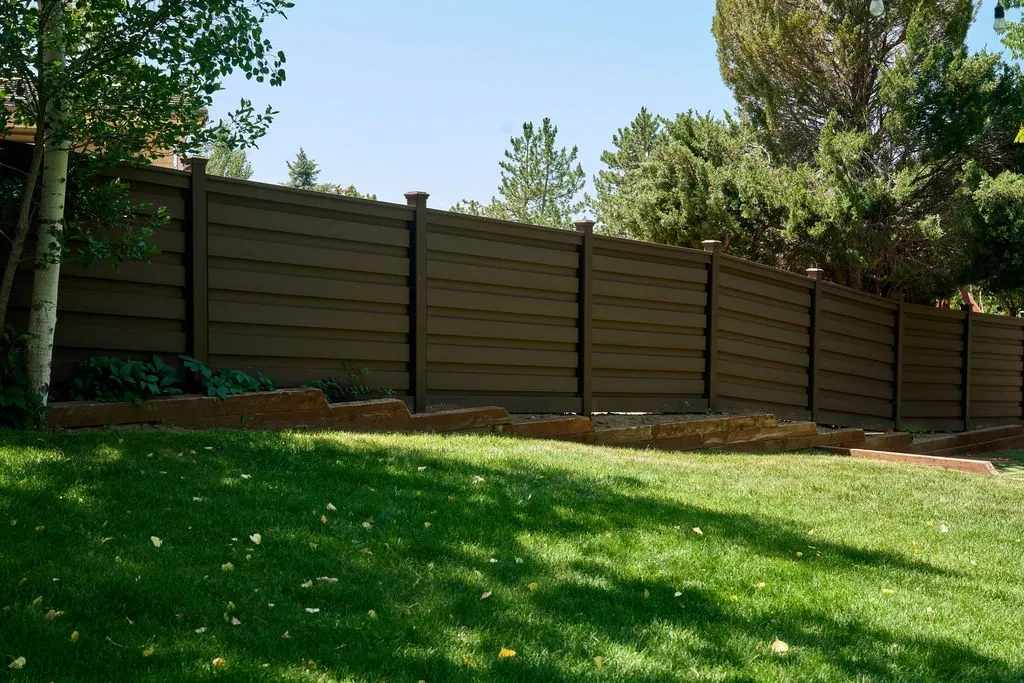
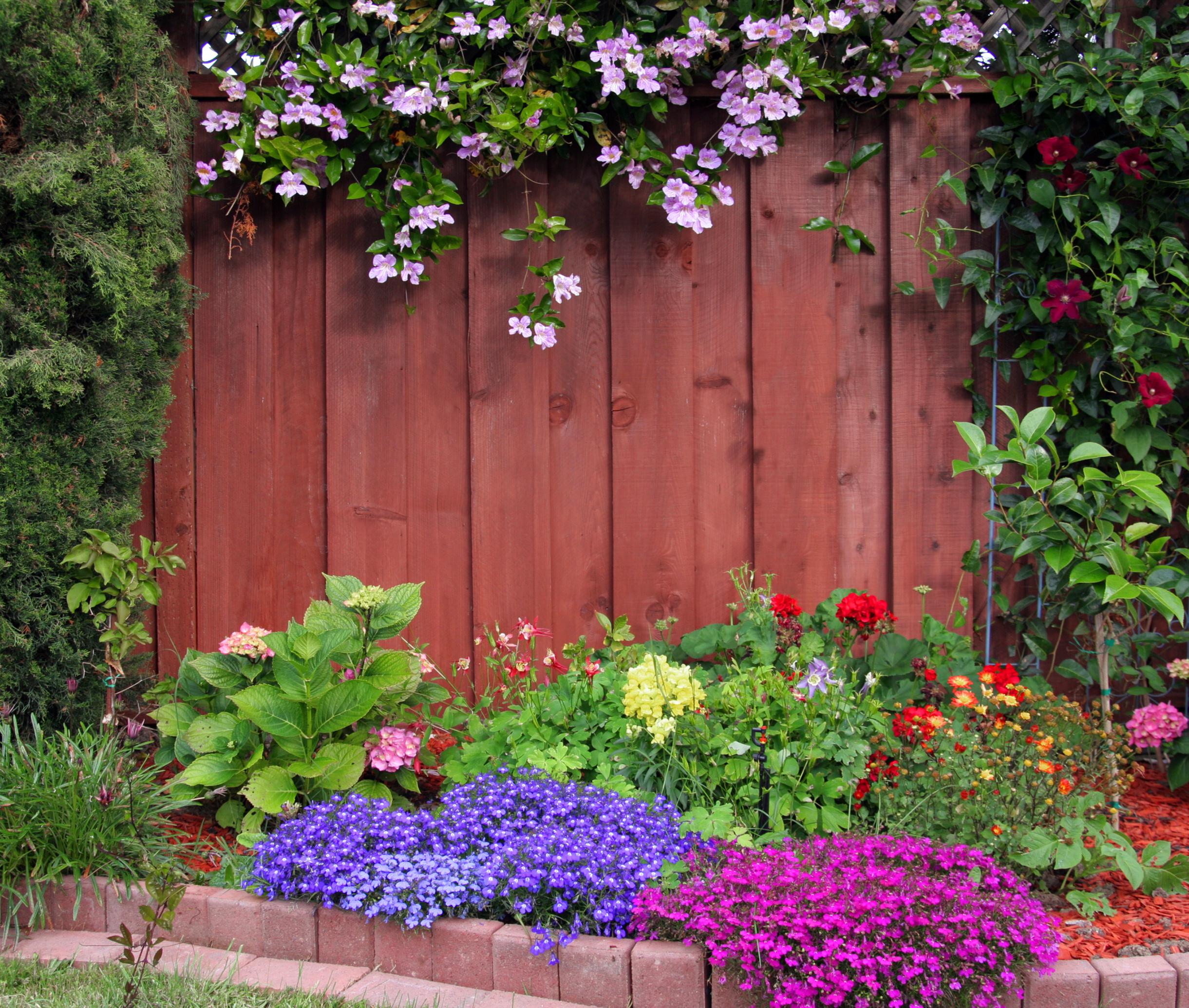
When solid wood fence installation comes into play, one of the biggest questions for homeowners in South Jersey is whether to choose a classic wood finish or go with a fresh coat of paint. Natural wood offers timeless appeal, but the decision between using a wood fence stain or opting for painting wood fence surfaces is more complex than it looks. At Top Rail Fence South Jersey, we guide property owners through the pros and cons of each method, helping with everything from material selection to long-term fence staining services.
Why Natural Wood Fences Are So Popular for Residential Fencing
Classic Beauty and Versatility
Natural wood remains a top pick for residential fencing because it blends into landscapes, complements traditional and modern homes, and can be stained or painted to fit your vision. With a good wood fence installation, you’re creating a perimeter that not only protects but also elevates your yard.
Durability and Customization
Most wood fences are built with materials like cedar or pressure-treated pine. When installed properly, these materials deliver years of service. Choosing the right finish, whether a wood fence stain or paint, affects how long your fencing looks great and performs well.
Staining vs. Painting: What’s the Difference?
Evaluating the Benefits of Wood Fence Stain
A high-quality wood fence stain penetrates the wood grain, enhances natural texture, and keeps the wood visible. Stain generally allows the material to breathe, letting moisture escape rather than getting trapped underneath. This difference is especially important in South Jersey’s humid climate.
You’ll hear from professionals in articles like this guide on exterior wood finishes that stains are ideal for preserving natural grain and require less color maintenance over time.
When Painting a Wood Fence Makes Sense
Painting wood fence surfaces offers broader color options and a uniform look. If you’re aiming for strong curb appeal or matching a home’s trim, paint may be the way to go. However, paint forms a film on top of the wood, which in some cases can trap moisture and require more frequent maintenance.
Key Factors to Consider Before Finishing Your Fence
Material Condition
If your wood is relatively new and shows few defects, stain often makes the most sense. But if your boards are older, weathered, or heavily worn, paint may help mask imperfections while creating a protective layer.
Desired Appearance
Do you prefer the natural grain and warmth of wood or a more solid color finish? A wood fence stain allows the grain to show through, while paint offers crisp lines and bold color options. Your choice here ties directly into your home’s overall design aesthetic.
Maintenance Expectations
Stained fences may need reapplication every 2–4 years, depending on climate exposure and wood type. Painted fences can stay intact for a longer period, but might face peeling or cracking sooner if moisture gets underneath. Either way, choosing professional fence staining services or paint application ensures better results.
Local Climate Implications in South Jersey
Humidity, Sun, and Moisture
South Jersey’s coastal climate exposes fences to salt air, high humidity, and UV rays. These conditions impact finish longevity. A breathable stain can handle humidity better, while paint may need tighter maintenance protocols. For any wood fencing in this region, proper installation plus periodic inspection is vital.
Ground Contact and Installation
When posts sit in soil that retains moisture, the finish must protect the wood bases. A well-executed wood fence installation ensures posts are anchored and sealed properly; the right finish above them finishes the job.
Choosing the Right Services for Your Project
Professional Fence Staining Services
Hiring professionals means proper cleaning, preparation, and application. Whether you go with a stain or paint, technicians will prep surfaces, prime if needed, and apply consistent coverage. This ensures your finish lasts longer.
Blending with Other Residential Fencing Elements
A wood fence may include gates, posts, caps, and trim. Coordinate finish selection across all components so the entire boundary looks cohesive. Experts at Top Rail Fence South Jersey can help you match the design and structural installation for optimal results.
Budget and Longevity
Stain usually costs less upfront and offers quicker application, but you may need to recoat sooner. Paint can cost more but might last longer between full finishes. Discuss both installation cost and long-term maintenance when planning your project.
Final Takeaway for South Jersey Homeowners
Both wood fence stain and paint have valid roles in fence finishing. For a classic, natural look that emphasizes grain and warmth, stain is often the first choice. If you want bold color, uniformity, and a very different aesthetic for your wood fencing, then paint might win out. The key is selecting a finish that suits your home, climate, and how much maintenance you prefer.
For peace of mind and high-quality results, choose professionals who handle both product and installation. With Top Rail Fence South Jersey, homeowners achieve seamless design, strong installation, and reliable finish performance. Visit our location page for service area details or head to our contact page to request a quote today. Start with smart choices now and enjoy the look and longevity of quality residential fencing for years to come.