Wide-open front yards are a hallmark of the Texas Panhandle, where gusts can challenge even the sturdiest structures. Many homeowners turn to Top Rail Fence Texas Panhandle for expert picket fence installation, discovering that a properly built picket fencing system can withstand crosswinds while enhancing curb appeal. With the right spacing, materials, and panel design, picket fence panels do more than mark property lines; they provide structural resilience in windy conditions.
Crosswinds create uneven pressure along fence lines, particularly in open areas. Lightweight or poorly anchored fencing can lean, warp, or even fail. Investing in professional picket fence installation ensures that posts are set at proper depths, panels are aligned for airflow, and cedar fence pickets are used strategically to balance strength and aesthetics.
Understanding Wind Behavior in Open Streetscapes
The Texas Panhandle is defined by flat expanses and minimal natural windbreaks, which means fences bear the full force of crosswinds. Homeowners often overlook how subtle design choices can reduce wind strain.
Panel Spacing and Airflow
Properly spaced picket fence panels allow air to pass through, reducing the likelihood of stress points forming along posts and rails. Unlike solid fences, picket fencing works with the wind rather than against it, allowing the structure to flex without breaking. This principle is especially important for long stretches along streetscapes, where crosswinds are continuous.
Post Depth and Anchoring
A critical component of successful picket fence installation is correctly set posts. Posts anchored too shallowly risk tilting under gusty conditions. Professionals from Top Rail Fence Texas Panhandle recommend burying posts to at least one-third of their total height, with concrete footings for stability. This prevents leaning and ensures that cedar fence pickets and panels remain secure over time.
Material Selection for Wind Resistance
Choosing the right materials is essential when building picket fencing in a windy region. Not all wood performs equally under stress.
Cedar Fence Pickets
Cedar fence pickets are ideal because of their natural durability and flexibility. Cedar resists cracking, splitting, and warping, which is crucial when gusts exert pressure across wide panels. Its lightweight also minimizes stress on posts, making it easier to maintain alignment during heavy winds.
Durable Panel Construction
Picket fence panels constructed with reinforced rails and tight tolerances enhance stability. Panels designed for uniform stress distribution reduce pressure points, helping fences endure sudden gusts without damage. Homeowners often pair cedar fence pickets with horizontal rails that add structural integrity and maintain straight lines across long distances.
Installation Techniques That Mitigate Wind Damage
Beyond materials, the installation approach is key. A professional picket fence installation accounts for wind load patterns, soil type, and lot orientation.
Racked vs. Stepped Panels
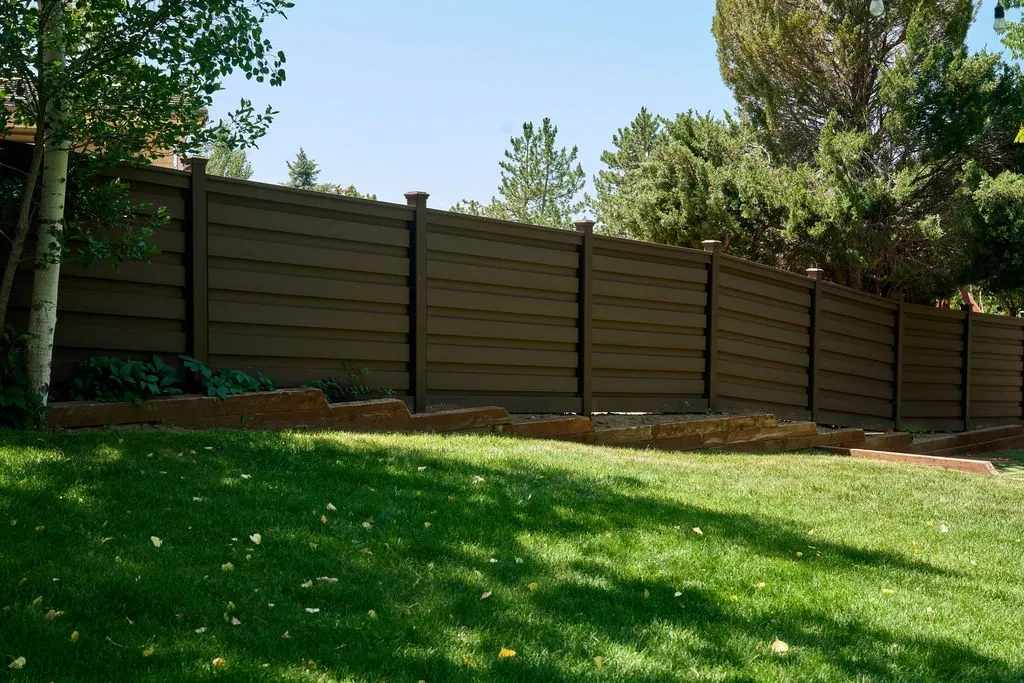
Racked panels are slightly angled to follow ground contours, allowing posts and boards to absorb wind more evenly. Stepped panels create a tiered effect on uneven terrain while maintaining rigidity. Both approaches protect picket fence panels from bowing or twisting under crosswind pressure.
Reinforced Rails and Caps
Top rails and caps provide additional support, holding cedar fence pickets in place while preventing wind-driven displacement. Sealing or staining the wood also adds a layer of protection against moisture that could weaken posts over time.
Long-Term Maintenance Considerations
Even with expert installation, regular maintenance ensures that picket fencing continues to perform well in open streetscapes.
Routine Inspections
Homeowners should inspect posts and panels after storms or periods of high winds. Checking for loosened fasteners, leaning posts, or warped boards allows early intervention before damage escalates.
Cleaning and Sealing
Annual cleaning with mild soap and water prevents dirt and mildew buildup, while sealing cedar fence pickets protects against UV exposure and moisture, extending the life of picket fence panels. For guidance on proper care techniques, resources like Fine Homebuilding provide expert advice on wood maintenance in high-wind environments.
Adjusting for Soil Shifts
Wide-lot properties in the Texas Panhandle may experience gradual soil movement. A professionally installed picket fencing system allows minor adjustments to posts and panels without compromising overall structure.
Enhancing Curb Appeal While Managing Crosswinds
Properly designed picket fencing not only protects against wind but also improves streetscape aesthetics. Even modest fences create visual rhythm and define property lines without obstructing views. Homeowners working with Top Rail Fence Texas Panhandle often notice how cohesive rows of picket fence panels enhance both neighborhood charm and personal satisfaction.
For those considering new installation or upgrading existing fences, exploring picket fencing options can help homeowners select the ideal panel style and material combination for strength and visual appeal.
With a well-executed picket fence installation, your property benefits from long-lasting structural performance and refined streetscape presence. To learn more or schedule an on-site consultation, visit the Contact Us page and connect with a local expert who understands the unique challenges of Texas Panhandle wind conditions.