Strong, persistent wind is a defining feature of life in the Texas Panhandle. Open plains, limited tree cover, and seasonal gusts place constant pressure on exterior structures. For property owners, choosing the right fencing solution means balancing durability, flexibility, and low upkeep. This is where metal fence installation proves its value. When engineered correctly, metal fencing withstands high wind loads without requiring constant adjustments or repairs.
Many property owners turn to Top Rail Fence Texas Panhandle for solutions built specifically for regional wind patterns. By pairing smart design with professional installation, metal fencing becomes a long-term asset rather than a recurring maintenance concern. To explore locally adapted options, start with Texas Panhandle fencing solutions designed for wide-open landscapes and demanding weather.
Why Wind Resistance Starts With Fence Design
Wind resistance is not about brute strength alone. A fence that fights the wind often fails faster than one designed to work with it. Metal fence installation emphasizes airflow, structural balance, and anchoring depth, all of which reduce stress during high-wind events.
Airflow Through Panels Reduces Pressure
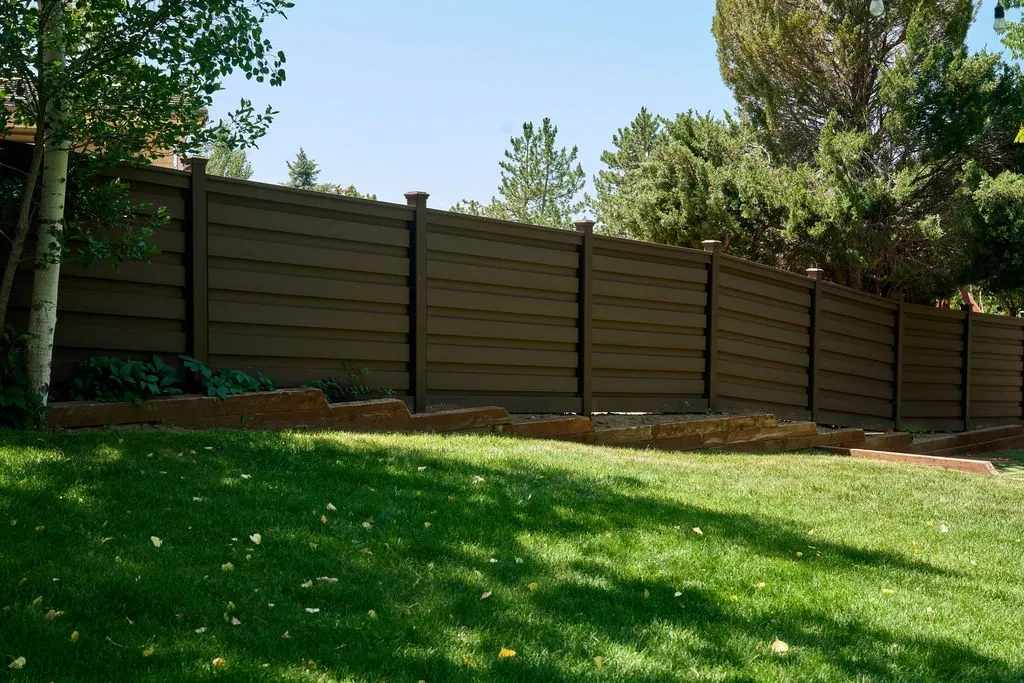
Solid barriers catch wind like a sail. In contrast, a properly spaced metal fence panel allows wind to pass through rather than push against it. This reduces lateral pressure on posts and keeps the fence aligned over time.
This design approach is especially valuable for commercial fencing, where long fence runs are common. Instead of reinforcing constantly, property managers benefit from a structure that naturally relieves stress during storms.
Anchoring Systems Built for Plains Soil
Wind resistance also depends on what happens below ground. Professional metal fence installation accounts for soil composition, moisture levels, and frost depth. Posts are set deeper and reinforced to prevent shifting during sustained gusts.
This foundation-first approach allows metal fencing to remain stable without frequent tightening or repositioning, even after years of exposure to Panhandle winds.
Material Choices That Minimize Maintenance
Not all metal fencing performs the same. Material selection directly impacts how well a fence resists corrosion, warping, and fatigue caused by wind vibration.
Coated Metals for Long-Term Performance
Modern decorative metal fencing uses protective coatings that resist rust, chipping, and UV damage. These finishes eliminate the need for repainting or sealing, which is a major advantage in dusty, wind-heavy environments.
Unlike wood fencing that can loosen or crack under repeated movement, metal maintains its shape and alignment. This consistency is one reason metal fence installation remains a top choice for both residential and commercial properties.
Flexible Strength Over Rigid Mass
Metal fencing is engineered to flex slightly under pressure, then return to its original position. This controlled flexibility prevents permanent deformation and reduces the risk of post failure. For commercial fencing projects, this resilience translates into fewer service calls and lower lifetime costs.
Midway through the planning process, many property owners explore metal fencing options to compare panel spacing, post systems, and finishes that best suit high-wind locations.
Wind-Smart Applications for Commercial Properties
Large properties face unique challenges when it comes to wind exposure. Parking lots, equipment yards, and industrial sites often sit fully exposed to prevailing gusts. Metal fence installation addresses these challenges without sacrificing access or visibility.
Perimeter Control Without Obstruction
A well-designed metal fence panel defines boundaries while maintaining sightlines for security. This is critical for commercial sites that require visibility for monitoring and safety. Decorative elements can be added to reinforce branding without increasing wind resistance.
Consistent Performance Across Long Fence Runs
Wind pressure compounds across distance. For long commercial fencing installations, uniform panel spacing and reinforced posts ensure that stress is evenly distributed. This prevents weak points that could otherwise require frequent maintenance.
According to guidance from Engineering Toolbox wind load resources, structures that allow airflow experience significantly less force than solid barriers. This principle is central to modern metal fence design.
Installation Quality Determines Long-Term Results
Even the best materials fall short without expert installation. Precise measurements, level alignment, and proper fastening all contribute to wind performance. Professional metal fence installation ensures that each component works as part of a cohesive system.
This attention to detail is what sets Top Rail Fence Texas Panhandle apart. By understanding local wind patterns and land conditions, installations are optimized from the ground up rather than adjusted after problems appear.
A Smarter Way to Fence Against the Wind
In a region where wind is a constant factor, fencing should require minimal attention once installed. Metal fence installation offers a reliable, low-maintenance solution that adapts naturally to the environment. With the right materials, spacing, and anchoring, metal fencing remains stable season after season.
Whether you are planning commercial fencing for a large property or upgrading an existing perimeter, working with Top Rail Fence Texas Panhandle ensures your fence is built to perform, not just endure. To discuss wind-resistant options tailored to your property, visit the Contact Us page and connect with a local fencing expert today.