Homeowners across the Texas Panhandle have long battled unpredictable gusts, dust-heavy storms, and seasonal high winds. With durability becoming a top priority, many are turning to metal fencing as a reliable solution that brings strength, longevity, and curb appeal together in one upgrade. At Top Rail Fence Texas Panhandle, the rise in requests for wind-resistant fencing has never been higher, and for good reason.
Choosing the right fence isn’t just a matter of looks. Strong winds can warp, crack, or even topple weaker materials. If you’ve experienced blown-over panels or repeated repairs, shifting to metal fencing may be exactly what your property needs.
Wind-Ready Construction: Why Metal Holds Up Better
The foundation of a wind-resistant fence starts with the material itself. Metal fencing offers a structural advantage over traditional options like wood or vinyl, especially in regions like the Texas Panhandle, where gusts can exceed 60 mph.
Metal isn’t easily warped by moisture, heat, or sudden weather shifts, making it an ideal long-term choice. Many homeowners reach out to Top Rail Fence Texas Panhandle after noticing that their old fences simply cannot withstand local climate conditions. With proper reinforcement and expert metal fence installation, your fence can last decades with minimal upkeep.
For homeowners comparing materials, the difference becomes clear after the first major storm.
Types of Metal Built to Handle Panhandle Winds
Different metals offer different advantages, especially when wind resistance is your primary concern. Below are three of the most popular options among residential fencing customers in the Texas Panhandle.
Galvanized Steel for Maximum Strength
If sheer strength is your priority, galvanized steel is the top contender. It resists corrosion, maintains rigidity even under pressure, and provides unmatched stability when installed correctly. Steel works well for homeowners who prioritize security and durability above all else. Its weight and structural integrity help it remain anchored during high winds, making it one of the most reliable forms of metal fencing available.
You can explore style options through our metal fencing design inspiration page, conveniently placed within our fencing resources.
Aluminum Panels for Lightweight Wind Performance
While aluminum is lighter, that doesn’t mean it’s weak. In fact, aluminum is one of the most flexible forms of metal fencing, allowing it to absorb and disperse wind pressure instead of resisting it. This reduces stress on the posts and minimizes long-term damage.
Aluminum is also a popular choice for modern residential fencing projects because it doesn’t rust. If your priority is low maintenance paired with a clean, streamlined appearance, aluminum could be your best option.
For installation help or style guidance, our team at Top Rail Fence Texas Panhandle can walk you through what works best for neighborhoods across the region.
Metal Privacy Panels for Added Shelter
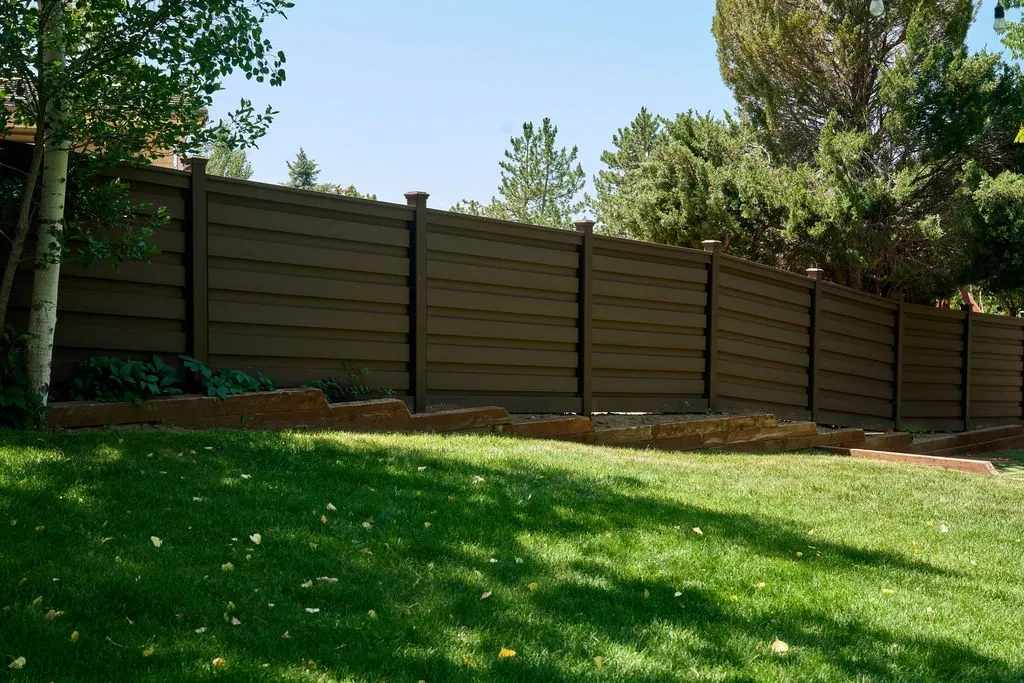
A metal privacy fence doesn’t just block sightlines; it also creates a physical wind barrier. These panels are especially valuable for backyards that face open fields or receive direct exposure during seasonal windstorms.
Thanks to their interlocking design, privacy panels stay secure and resist rattling or breaking apart. Many homeowners pair metal privacy fencing with reinforced steel posts, creating a functional yet attractive wind barrier around their property.
Why the Texas Panhandle Climate Makes Metal the Best Fit
Living in the Texas Panhandle means adapting to rapid temperature swings, dust storms, and high-speed wind channels that stretch across open land. This harsh environment can quickly wear down traditional fencing materials.
Metal fencing remains the top choice because it resists cracking, doesn’t rot, and doesn’t snap under pressure. Even better, today’s metal coatings and finishes dramatically improve longevity, meaning your fence maintains its appearance season after season.
Installation Matters as Much as the Material
Even the strongest material won’t perform well without proper installation. Anchoring, post depth, post spacing, and bracket reinforcement all play critical roles in how your fence handles wind pressure.
This is why we always recommend a professional metal fence installation versus a DIY approach, especially in a wind-prone area. Our specialists ensure your fence is set at the correct depth and braced appropriately based on soil type and exposure level.
External Factors Homeowners Should Consider
Before finalizing your choice, consider the following factors that influence wind performance:
- Your home’s elevation
- Exposure to open plains
- Proximity to neighboring buildings
- Desired height and level of privacy
For a deeper understanding of how wind affects outdoor structures, you can reference this helpful guide from Weather Solve Structures about outdoor wind protection solutions.
Ready to Upgrade to Metal? Here’s Your Next Step
Whether you’re building new or replacing a storm-damaged fence, metal fencing is one of the smartest long-term investments you can make as a homeowner in the Texas Panhandle. Strong, versatile, and engineered for harsh climates, it remains the top recommendation for wind resistance and lasting value.
You can learn more about our full fencing options by reaching out to us anytime directly through our Contact Us page to request your complimentary estimate.
When you're ready for durable, weather-ready fencing that stands up to Panhandle winds, the experts at Top Rail Fence Texas Panhandle are here to help.