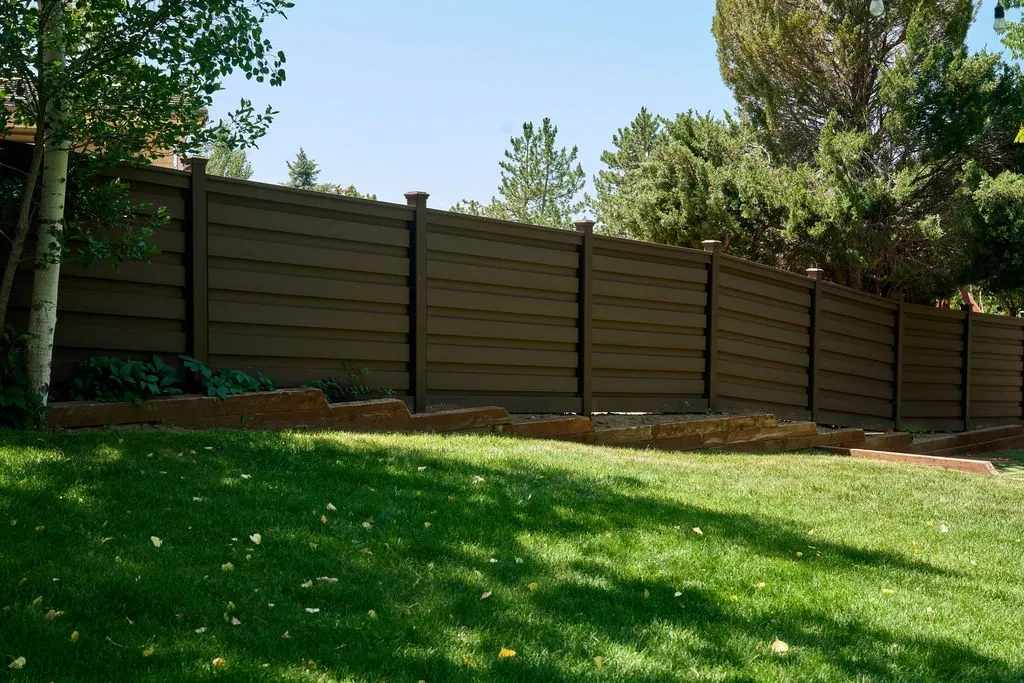
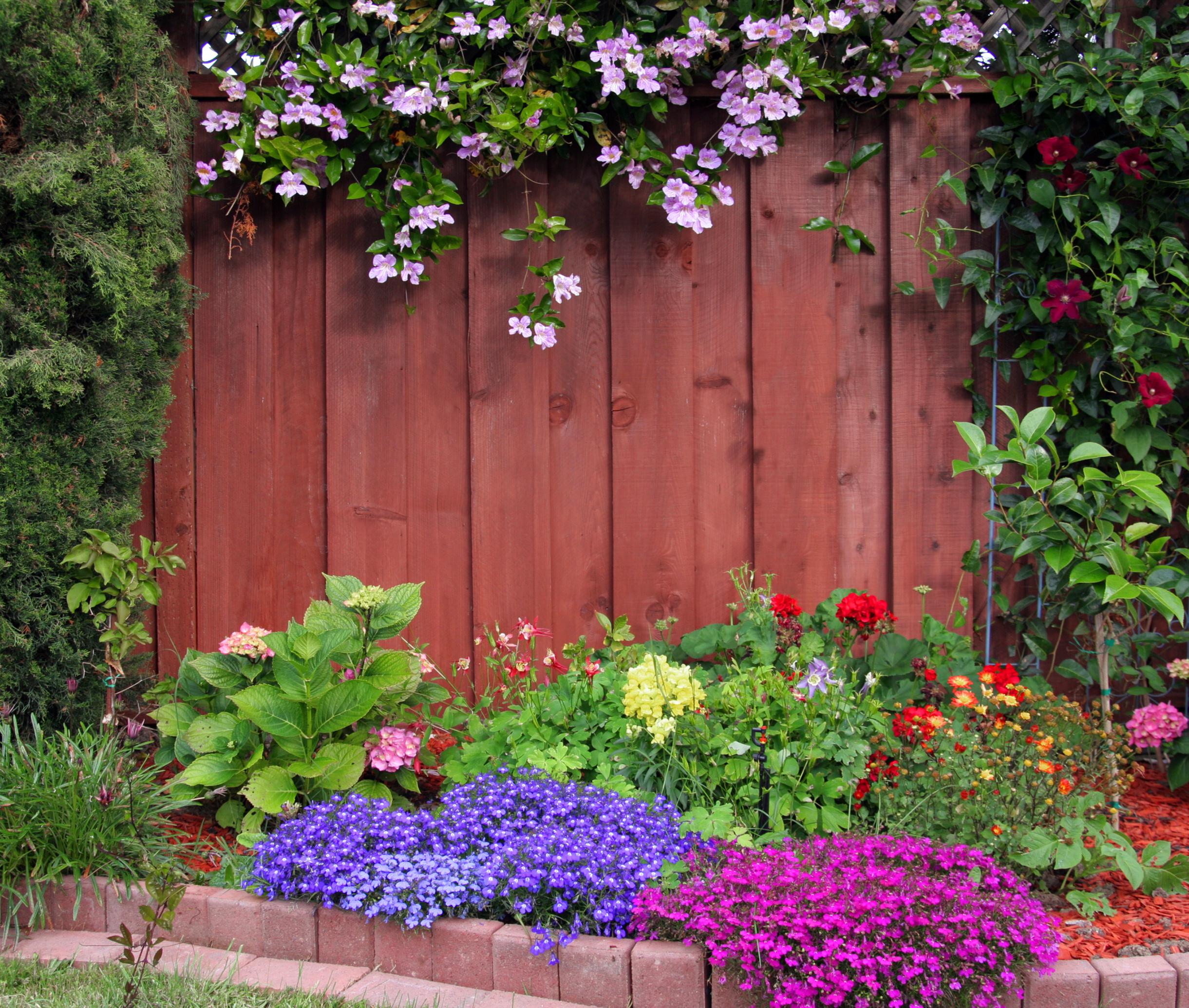
Storm season in Texas Panhandle brings more than heavy rain. Strong gusts and sustained winds can test the strength of any backyard structure, especially fencing. For homeowners considering privacy fence installation, understanding how wind impacts your fence before severe weather arrives can prevent costly repairs and unexpected damage.
Many residents begin by exploring local fencing solutions through Top Rail Fence Texas Panhandle, which provides region-specific guidance tailored to high-wind conditions. Preparing your fence before storm season is not just proactive. It is essential for long-term durability.
Why High Winds Are a Serious Concern in Texas Panhandle
Open landscapes and flat terrain contribute to stronger wind patterns throughout the Texas Panhandle. Unlike areas with dense tree cover, wind here travels with fewer natural barriers. That means your privacy fence may absorb more direct force than fencing in other regions.
Wind pressure builds against solid panels. When gusts hit a fully enclosed fence surface, the force transfers directly to posts and rails. Without proper fence installation, panels can loosen, posts can shift, and entire sections may lean or detach.
Understanding this risk is the first step toward protecting your property.
Conducting a Simple Wind Readiness Check
Before storm season begins, homeowners can perform a practical inspection known as the wind test. This informal evaluation helps identify weaknesses that may worsen under severe weather conditions.
Inspect Post Stability
Walk along your fence line and gently push each post. There should be minimal movement. If posts sway easily, the concrete footings may be too shallow or the surrounding soil may have loosened.
Professional privacy fence installation accounts for local soil conditions and sets posts deep enough to withstand regional wind loads. If movement is noticeable, it may be time to reinforce or reset affected sections.
Examine Panel Fasteners and Rails
Loose nails, screws, or brackets weaken structural integrity. Check that rails are firmly attached and that boards remain securely fastened. Even small gaps can widen during high winds.
Routine inspections ensure your privacy fence remains structurally sound throughout the year.
Look for Soil Erosion at the Base
Heavy rains combined with irrigation runoff can wash soil away from posts. Exposed footings reduce stability and increase vulnerability during windstorms.
If erosion is present, adding compacted soil or improving drainage can help maintain support around posts.
Comparing Wood and Aluminum in Wind Performance
Material choice plays a significant role in how fencing responds to wind stress. While traditional wood remains popular, modern alternatives offer additional benefits.
Wood Privacy Structures
Wood remains a common choice for privacy fence installation because of its natural appearance and full coverage. However, solid wood panels create more wind resistance. Proper spacing and reinforced rails are essential to handle pressure.
Regular maintenance, such as sealing and tightening hardware, supports long-term performance.
Aluminum Options for Reduced Wind Resistance
An aluminum privacy fence offers a different structural advantage. Because aluminum fencing often incorporates slight spacing between panels or decorative cutouts, wind can pass through more easily. This reduces the overall pressure exerted on posts.
Additionally, aluminum does not absorb moisture, making it resistant to rot or warping after storms. For homeowners in the Texas Panhandle who want durability with reduced maintenance, an aluminum privacy fence may provide long-term value.
To better understand how wind loads affect fencing structures, this overview from FEMA’s wind-resistant construction guidelines explains how proper anchoring and material selection improve resilience.
Reinforcement Strategies Before Storm Season
If your current fence shows signs of weakness, reinforcement before severe weather arrives is a wise investment.
Deepening or Resetting Posts
One of the most effective upgrades involves reinforcing post depth. A professional fence installation team can reset unstable posts with additional concrete support, ensuring they meet regional wind standards.
Adding Support Rails
Horizontal reinforcement rails distribute wind pressure more evenly across panels. This simple addition can significantly improve stability for large sections of privacy fence panels.
Evaluating Gate Hardware
Gates often experience the most stress because they move and contain hinges. Ensure hinges are rust-free and properly aligned. Upgraded hardware can prevent sagging during strong gusts.
Homeowners who need professional evaluation can explore comprehensive services through our residential fencing solutions, where wind-conscious privacy fence installation methods are tailored to the local environment.
Signs It May Be Time for Replacement
Not all fences can be reinforced effectively. If your structure shows widespread rot, leaning sections, or multiple failing posts, replacement may be the safest option.
A modern privacy fence installation designed specifically for Texas Panhandle weather can offer improved structural integrity and a longer lifespan. Whether selecting treated wood or upgrading to an aluminum privacy fence, working with experienced professionals ensures compliance with local wind requirements.
Top Rail Fence Texas Panhandle specializes in installations engineered for regional weather patterns. Their team understands how soil composition, wind exposure, and drainage impact fence longevity.
Planning a Wind-Ready Fence Installation
If you are planning new construction, incorporating wind resistance from the beginning provides peace of mind. Proper spacing, durable materials, and reinforced posts all contribute to a fence that stands strong through storm season.
Professional fence installation also includes evaluating yard grading and irrigation placement. Redirecting water away from posts prevents soil weakening that could compromise structural stability during heavy winds.
By scheduling a consultation with Top Rail Fence Texas Panhandle, homeowners gain expert insight into selecting the right design and material for their property.
Final Preparations Before the First Storm
As storm season approaches in the Texas Panhandle, take time to complete your wind test and schedule any necessary improvements. Tighten hardware, reinforce loose posts, and clear debris along fence lines.
If you are uncertain about your fence’s readiness, contact Top Rail Fence Texas Panhandle for a professional assessment. You can easily request guidance through the Contact Us page and receive tailored recommendations for durable privacy fence installation solutions.
Your privacy fence serves as both protection and privacy for your home. Ensuring it is ready for high winds protects not only your property boundary but also your investment. With the right preparation and expert support, your fence can stand strong throughout every storm season in the Texas Panhandle.