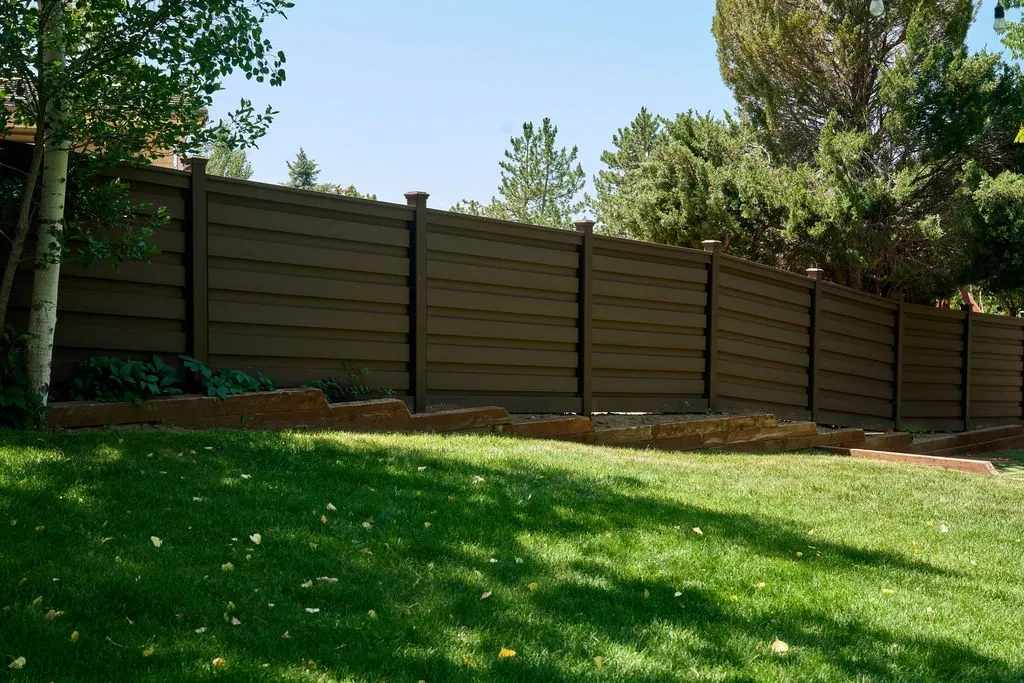
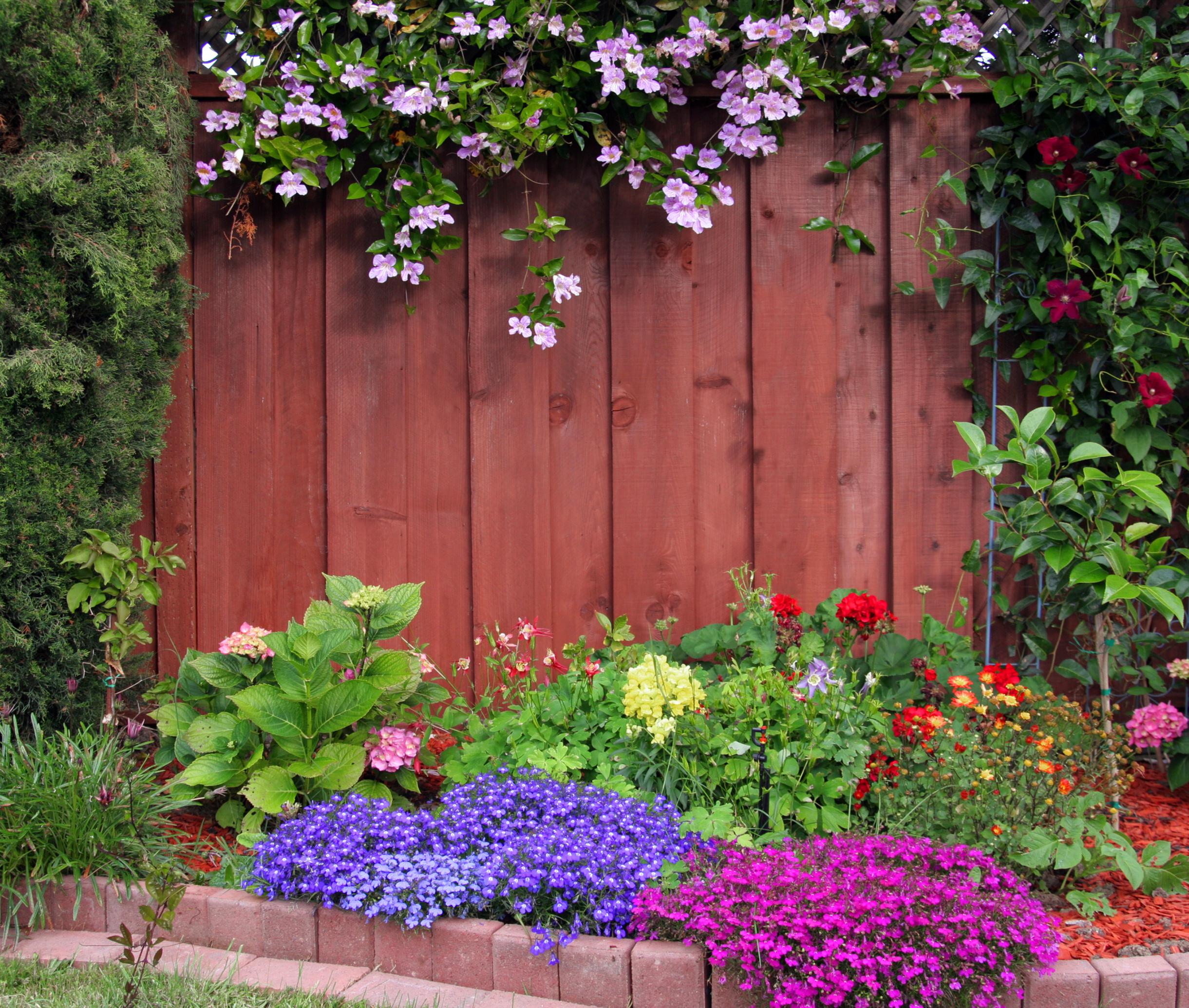
Life in the Texas Panhandle presents unique challenges for outdoor structures. Constant wind, airborne dust, intense sun exposure, and wide seasonal temperature swings all accelerate wear on traditional fencing materials. That is why homeowners increasingly prioritize vinyl fence installation when planning long-term property upgrades. Low-maintenance fencing is not a luxury in this region; it is a practical necessity.
For property owners researching durable options, understanding how vinyl fence installation performs under Panhandle conditions helps avoid frequent repairs, repainting, or premature replacement. Many homeowners exploring vinyl fencing in the Texas Panhandle find that choosing the right material from the start saves time, money, and frustration over the years.
How Panhandle Conditions Accelerate Fence Wear
The Panhandle environment is unforgiving to materials that require ongoing care. Wind-driven dust acts like sandpaper, slowly eroding finishes. UV exposure weakens untreated surfaces. Moisture from sudden storms followed by rapid drying causes expansion and contraction that loosen fasteners and warp panels.
This combination makes high-maintenance fencing impractical for many homeowners. Residential fencing must hold up structurally while still looking clean and intentional. That balance is where vinyl consistently outperforms other options.
Why Vinyl Excels as a Low-Maintenance Solution
When homeowners choose vinyl fence installation, they are investing in a material engineered to resist environmental stress without ongoing upkeep. Vinyl does not absorb moisture, crack from drying, or require repainting to maintain its appearance.
No Painting, Staining, or Sealing Required
Unlike wood, vinyl fencing retains its color throughout the material, not just on the surface. This means scratches do not expose raw material, and fading occurs far more slowly. Occasional rinsing is typically all that is needed to remove dust buildup common in the Panhandle.
Built to Handle Temperature Swings
Modern vinyl fencing systems are designed to flex slightly as temperatures rise and fall. Proper spacing during vinyl fence installation allows panels and rails to expand and contract without warping or buckling. This adaptability makes vinyl especially effective in regions with dramatic seasonal shifts.
Fence Design Choices That Reduce Future Maintenance
Low maintenance is not only about material. Smart fence design plays a major role in long-term performance. Panel spacing, height, airflow, and layout all influence how a fence responds to wind and debris.
Open designs allow wind to pass through rather than push against solid surfaces. Privacy styles, when installed correctly, include reinforcement that prevents sagging over time. Choosing a design suited to Panhandle conditions reduces stress on posts and hardware.
Homeowners often explore different fence design options midway through planning by reviewing material comparisons and layout ideas available within related vinyl fencing resources.
Residential Fencing That Fits Daily Life
Low-maintenance fencing supports how homeowners actually live. Busy schedules, large properties, and frequent outdoor use leave little time for upkeep. Residential fencing should protect pets, define boundaries, and enhance curb appeal without becoming another chore.
This is why many Panhandle homeowners turn to Top Rail Fence Texas Panhandle when planning a vinyl fence installation. Regional experience ensures the fence is built with both climate and lifestyle in mind, not just aesthetics.
Long-Term Cost Benefits of Low-Maintenance Fencing
While upfront costs matter, long-term ownership costs matter more. Wood fencing often requires staining every few years, along with periodic replacement of the boards. Metal fencing may require rust prevention and repainting. Vinyl eliminates most of these expenses.
According to material durability insights published by Family Handyman, vinyl fencing consistently ranks among the lowest-maintenance fencing options for residential use, particularly in high-exposure environments.
Over time, reduced maintenance and fewer repairs make vinyl fence installation a cost-effective investment rather than a recurring expense.
Installation Quality Determines Maintenance Demands
Even the best material can fail if installed incorrectly. Post depth, alignment, and spacing determine how well a fence resists wind and ground movement. Professional installation ensures that vinyl performs as intended for decades.
Midway through the decision process, many homeowners review installation standards and service options offered by Top Rail Fence Texas Panhandle to ensure their fencing project aligns with regional best practices.
Visual Consistency Without Constant Upkeep
One overlooked advantage of vinyl is visual consistency. Vinyl panels age uniformly, avoiding the patchy look common with repaired wood fences. This keeps properties looking intentional and well cared for, even as landscaping evolves.
For homeowners focused on cohesive fence design, vinyl offers clean lines and consistent finishes that complement both modern and traditional homes throughout the Panhandle.
Making the Right Choice for the Long Term
Low-maintenance fencing matters more in the Texas Panhandle because environmental stress is unavoidable. Choosing materials that resist that stress reduces frustration and preserves property value. Vinyl fence installation provides durability, flexibility, and appearance without constant upkeep.
Homeowners ready to move forward with reliable residential fencing can explore options, ask questions, and request guidance through the Contact Us page to ensure their project is tailored to their property’s specific needs.
With the right planning, material selection, and professional installation, vinyl fencing becomes a long-term solution that works with the Panhandle climate rather than against it, delivering lasting performance and peace of mind.