Wide-open spaces define the Texas Panhandle, and many properties stretch across expansive lots where soil conditions quietly shape long-term structural performance. Homeowners who invest in Top Rail Fence Texas Panhandle services often discover that vinyl fencing can reveal subtle ground shifts long before other exterior structures show visible signs. On broad residential properties, soil composition, moisture fluctuation, and seasonal temperature swings all influence how a fence line settles over time.
When properly installed, vinyl fencing acts almost like an early indicator system. Because the material maintains consistent shape and alignment, any change in post positioning can reflect underlying soil behavior rather than material failure. This makes vinyl fence installation especially insightful on wide-lot properties where expansive clay soils and drainage patterns are common.
How Expansive Soil Impacts Fence Stability
The Texas Panhandle contains areas with clay-heavy soil that expand when wet and contract during dry periods. On larger properties, uneven moisture distribution can cause certain sections of soil to shift more than others. Over time, this movement affects posts embedded in the ground.
Unlike wood, which may bend or warp and mask early warning signs, vinyl fencing retains its structural integrity. When a post begins to tilt slightly, it is often due to soil displacement rather than panel deterioration. This clarity helps property owners identify where grading or drainage improvements may be needed.
Seasonal Moisture Swings and Ground Pressure
Rainfall followed by extended dry spells places stress on subsurface soil layers. As moisture levels fluctuate, ground pressure around fence posts changes. A properly executed vinyl fence installation accounts for these cycles by setting posts at appropriate depths and reinforcing them for local soil behavior.
Because vinyl fence panels remain straight and do not absorb moisture, they do not swell or shrink with humidity changes. This makes visible shifts easier to trace back to soil conditions instead of blaming the fence material itself.
Wide-Lot Properties Experience Uneven Settlement
Large parcels often have varying soil density across different sections of the yard. Areas closer to irrigation lines or natural drainage paths may remain softer, while elevated zones dry out faster. These differences can create uneven settlement patterns.
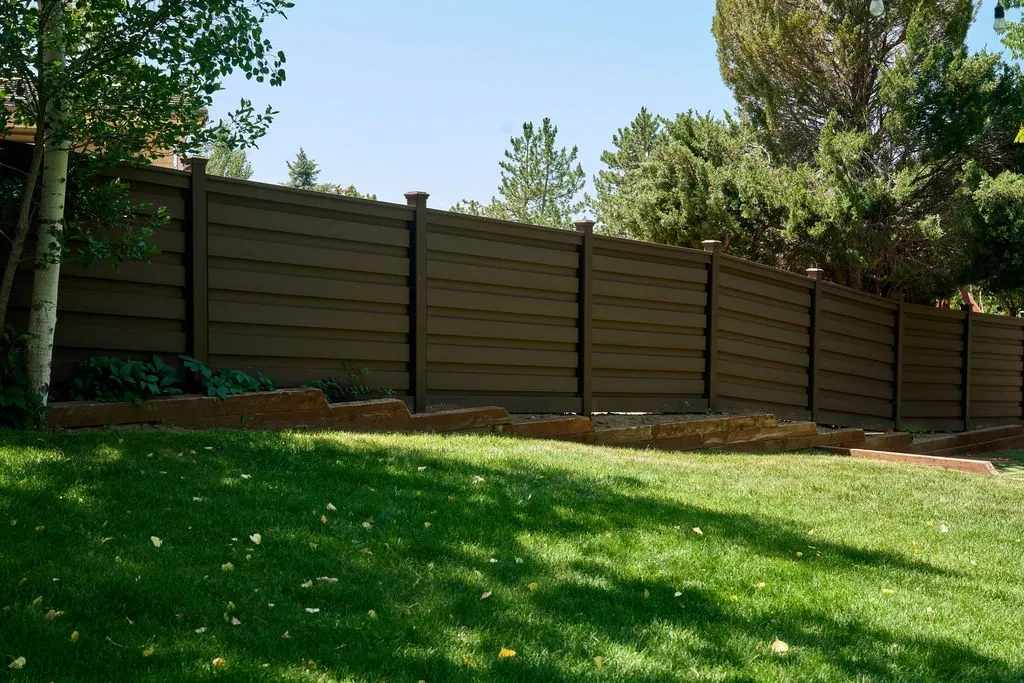
Homeowners who choose vinyl fencing frequently notice that long, continuous fence lines highlight minor grade changes. The uniform appearance of vinyl fence panels makes deviations more noticeable, offering insight into how the land beneath is behaving.
The Importance of Strategic Post Placement
Professional vinyl fence installation involves more than simply digging holes and setting posts. Soil testing, spacing adjustments, and reinforcement methods are essential on wide lots. Installers must consider how far apart posts should be placed to distribute pressure evenly.
On properties across the Texas Panhandle, wind exposure also interacts with soil movement. Open landscapes allow gusts to apply lateral pressure against fencing. A well-designed low maintenance fence system resists this force without transferring excessive stress to individual posts.
Drainage Patterns and Fence Performance
Water runoff significantly influences soil stability. Poor drainage leads to erosion around post bases, weakening support over time. In contrast, well-managed runoff preserves compact soil and extends fence longevity.
Many property owners explore vinyl fencing options to compare panel styles that complement proper drainage planning while maintaining durability. Integrating drainage solutions with vinyl fencing ensures that ground movement does not compromise alignment.
Erosion Versus Material Failure
It is common for shifting fences to be blamed on product quality. However, erosion is often the real cause. Because vinyl fence panels do not rot or deteriorate from ground contact like wood, they clearly reflect structural movement tied to environmental conditions.
The Natural Resources Conservation Service within the U.S. Department of Agriculture highlights how soil composition and water management directly affect ground stability. Understanding these factors supports smarter planning for any vinyl fence installation project in regions with variable soil conditions.
Why Vinyl Performs Well on Expansive Properties
Wide-lot homeowners often prefer a low maintenance fence that does not require frequent repainting, sealing, or structural repairs. Vinyl fencing provides that consistency while also offering insight into how the ground beneath responds to environmental stress.
Because color is integrated throughout the material, vinyl fence panels do not chip or peel. This eliminates cosmetic distractions that might otherwise hide alignment issues. When adjustments are needed, the cause can be traced more accurately to soil movement rather than surface damage.
Across the Texas Panhandle, property owners working with Top Rail Fence Texas Panhandle often find that early detection of soil shifts helps prevent larger structural problems. Addressing drainage, grading, or compaction early can protect not only fencing but also patios, driveways, and foundations.
Installation Depth and Reinforcement Matter
Setting posts at the proper depth is critical in areas prone to expansion and contraction. A professional vinyl fence installation accounts for frost lines, moisture zones, and soil density. Reinforced post setting techniques improve stability without compromising the clean appearance of vinyl fencing.
When these technical considerations are handled correctly, a low maintenance fence remains level and secure even as the surrounding soil experiences natural seasonal change.
Long-Term Value for Panhandle Property Owners
Wide properties often require extended fence lines, which increases the importance of durability and consistent alignment. Vinyl fencing offers a practical solution that balances visual appeal with structural awareness.
Because vinyl fence panels maintain their form, they make it easier to monitor changes in ground conditions over time. This transparency benefits homeowners who want to protect large investments in landscaping and outdoor living spaces.
By choosing experienced professionals such as Top Rail Fence Texas Panhandle, property owners gain guidance tailored to the soil and climate conditions unique to the Texas Panhandle. Thoughtful planning, precise installation, and high-quality materials work together to create fencing that withstands both environmental stress and shifting terrain.
If you are considering vinyl fencing for a wide-lot property or want to evaluate how soil movement may be affecting your current fence, Top Rail Fence Texas Panhandle can help you plan strategically. To request expert insight or discuss your project details, visit the Contact Us page and connect with a local fencing professional today.