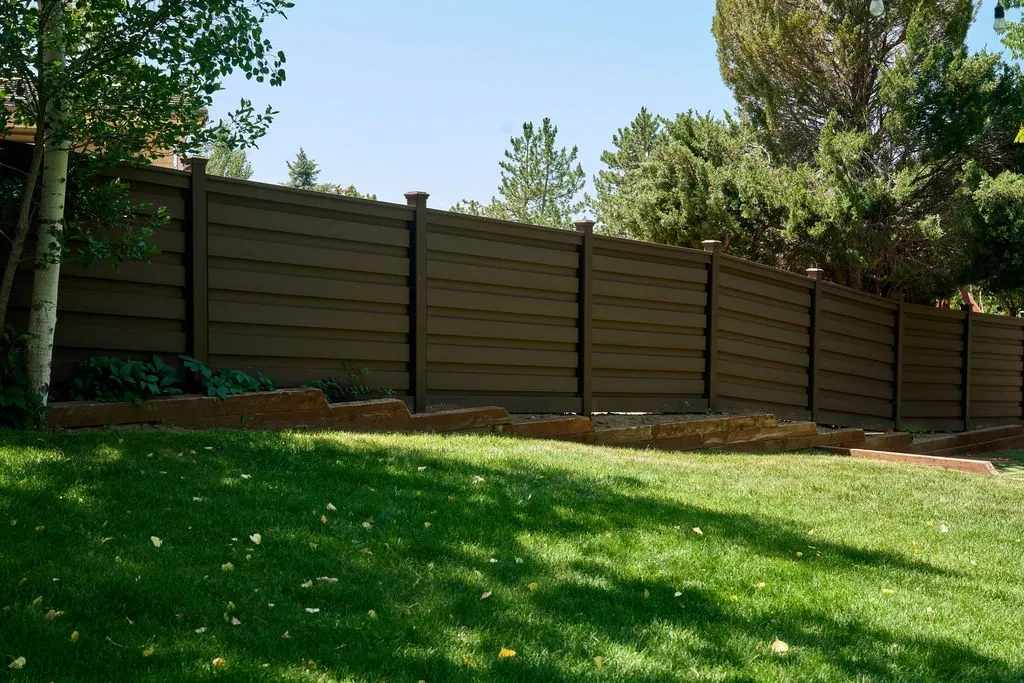
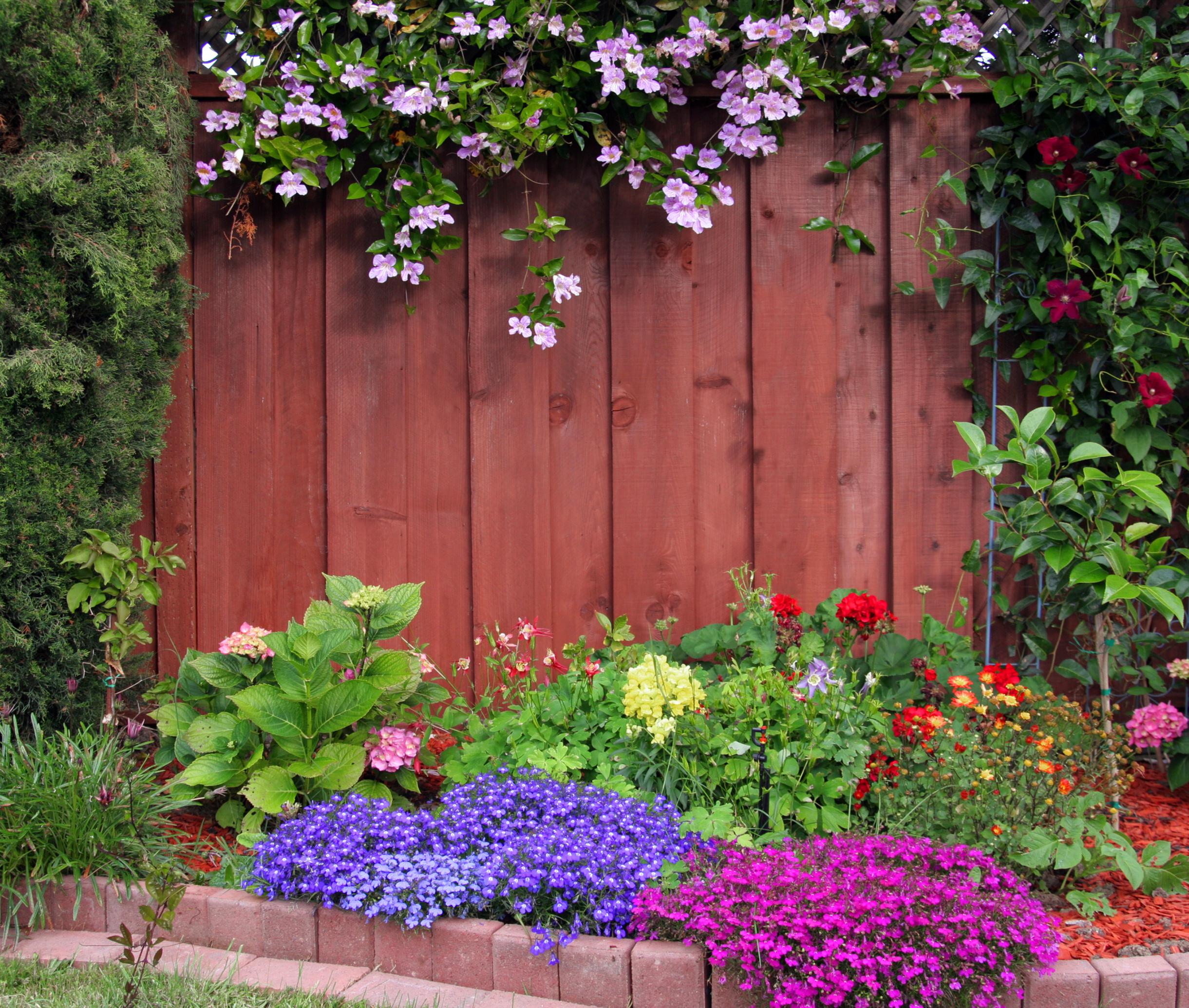
Wide, unobstructed properties across the Texas Panhandle expose how much lot size and openness influence wood fencing decisions. Unlike compact suburban yards, these expansive lots highlight where traditional fence placement works, where it fails, and how smarter planning leads to longer-lasting results. Homeowners exploring boundary options often start by reviewing regional considerations through the Top Rail Fence Texas Panhandle to understand how open-land conditions affect fence performance.
On large Panhandle properties, wood fencing is not just about marking boundaries. It plays a role in wind control, livestock separation, privacy zoning, and visual balance across wide sightlines. Understanding how traditional placement adapts to these realities helps property owners avoid premature repairs and layout mistakes.
How Open Land Changes Fence Expectations
Traditional fence placement often assumes nearby structures, trees, or neighboring homes that naturally shield panels. Wide-open Panhandle lots remove those buffers entirely.
Exposure Across Long Fence Runs
Extended fence lines face constant environmental pressure. Without interruptions, wind and soil movement affect every wood fence post along the run. This exposure reveals weaknesses faster than in enclosed neighborhoods.
Visual Proportion on Large Properties
On expansive lots, fences that sit too close to the home can look undersized, while perimeter fences placed too far out may feel disconnected. Proper fence design accounts for visual balance as much as function.
Why Setback Distance Matters More Than Height
Many property owners focus on fence height, but setback distance plays an equally important role in open land.
Interior Versus Perimeter Placement
Interior fences help define usable space without battling constant wind pressure at the property edge. Perimeter wood fencing must be engineered differently due to full exposure.
Wind Flow and Air Channels
Placing fences where natural airflow funnels can increase stress on panels. Thoughtful fence design positions structures where wind disperses rather than concentrates.
Traditional Wood Fence Layouts That Perform Better on Open Lots
Certain layouts consistently outperform others when the land is wide and unobstructed.
Offset Picket Configurations
Offset pickets allow air to pass through while maintaining privacy from most viewing angles. This approach reduces strain on each wood fence post without sacrificing appearance.
Sectioned Fence Lines
Breaking long runs into shorter segments with slight directional changes helps absorb environmental pressure. This strategy improves the durability of wood fencing across large properties.
Homeowners comparing layout options often explore wood fencing materials and styles to match design choices with land conditions.
The Role of Post Placement on Expansive Lots
Post installation becomes even more critical as the lot size increases.
Depth and Spacing Adjustments
On wide-open land, posts are often set deeper and spaced closer together. This reinforces the structure against lateral movement and prevents leaning over time.
Soil Variability Across Large Properties
Soil composition can change across a single lot. Proper wood fence installation adapts post depth and footing size to match these variations rather than using a uniform approach.
How Fence Design Influences Longevity in the Panhandle
Design choices directly impact how long a fence remains functional.
Managing Long Sightlines
Straight, uninterrupted lines emphasize flaws. Incorporating gentle turns or visual breaks improves both aesthetics and structural resilience in wood fencing.
Balancing Privacy and Flexibility
Complete privacy fences can struggle on open land. Semi-private designs provide enclosure while allowing movement, reducing long-term stress on each wood fence post.
According to land management guidance from Texas A&M Natural Resources Institute, structures on open terrain benefit from flexible layouts that accommodate environmental forces rather than resist them rigidly.
Installation Practices That Adapt to Wide-Open Conditions
Installation methods must evolve when properties expand.
h3: Anchoring for Open Exposure
Concrete footings should be paired with proper drainage to prevent shifting. This is especially important for wood fence installation on lots without windbreaks.
Aligning With Natural Land Features
Placing fences parallel to subtle land contours reduces pressure points. Experienced installers understand how fence design aligns with the land instead of cutting across it.
Many property owners rely on Top Rail Fence Texas Panhandle for installation strategies that reflect real Panhandle conditions rather than generic suburban assumptions.
Maintenance Realities on Large Properties
Open land reveals maintenance issues sooner.
Regular Post Inspections
Large lots require periodic checks along the entire fence line. Early correction prevents widespread alignment problems.
Surface Protection Over Distance
Consistent staining or sealing across long runs protects wood fencing from drying and cracking caused by constant airflow.
Why Traditional Placement Still Works When Done Correctly
Despite the challenges, traditional fencing remains effective when adapted thoughtfully.
Clear Boundary Definition
Well-placed fences help organize large properties into functional zones without overwhelming the landscape.
Long-Term Cost Control
Strategic wood fence installation reduces the need for frequent repairs, saving money over time.
Increased Property Confidence
A stable, visually balanced fence adds value by showing planning rather than reactive construction.
Homeowners who partner with Top Rail Fence Texas Panhandle benefit from fencing solutions designed specifically for wide-open Panhandle lots, not one-size-fits-all layouts.
Bringing Smart Fence Placement to Open Panhandle Lots
Wide-open properties reveal truths that smaller yards hide. Fence placement, post depth, and layout decisions become more visible and more important across expansive land. With the right approach, wood fencing can remain strong, attractive, and functional even in the most exposed settings.
If you are planning a new project or rethinking an existing boundary, expert guidance can make all the difference. Visit the Contact Us page to connect with a local fencing professional and start designing a fence that truly fits your Panhandle property.