Wind is a defining feature of life in the Texas Panhandle. Long stretches of open land, sudden gusts, and persistent seasonal airflow influence everything from landscaping to exterior structures. For homeowners planning wood fence installation, wind exposure plays a major role in how boundaries should be designed, built, and maintained. Many property owners begin by reviewing regional considerations through the Top Rail Fence Texas Panhandle to understand how fencing adapts to these conditions.
Unlike mild or sheltered regions, the Panhandle demands fencing that balances structure with flexibility. Thoughtful planning ensures that wood fencing performs reliably while still enhancing residential spaces.
Understanding Wind Behavior Across the Texas Panhandle
Wind in this region is not just occasional. It is a consistent environmental factor that reshapes how outdoor boundaries function.
Prevailing Wind Directions
Strong southerly and westerly winds dominate much of the year. These forces place continuous pressure on fence panels, especially across large backyards with minimal natural windbreaks.
Seasonal Variations
Spring and early summer bring higher wind speeds, while winter gusts often arrive with cold fronts. This variability requires wood fence installation methods that account for year-round stress rather than short-term exposure.
Why Fence Design Matters More in Wind-Heavy Regions
Not all fences respond to wind the same way. Design decisions directly influence longevity and performance.
Solid Versus Semi-Open Layouts
Completely solid fences can act like sails, absorbing full wind force. Thoughtfully spaced pickets or alternating panels allow airflow to pass through, reducing strain. These approaches are common in effective wood fence designs suited for the Panhandle.
Height and Panel Width Considerations
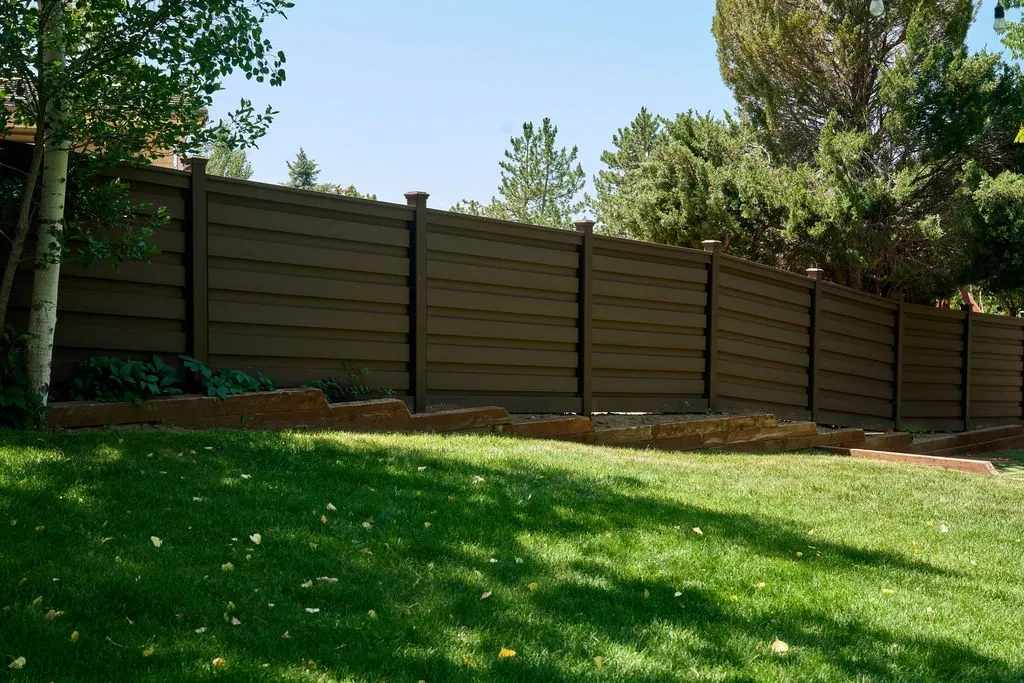
Taller fences experience greater wind load. Breaking long runs into shorter sections with reinforced posts helps distribute pressure evenly across the structure.
Wood Fence Designs That Perform Well in High Winds
Selecting the right layout is just as important as choosing quality materials.
Board On Board Configurations
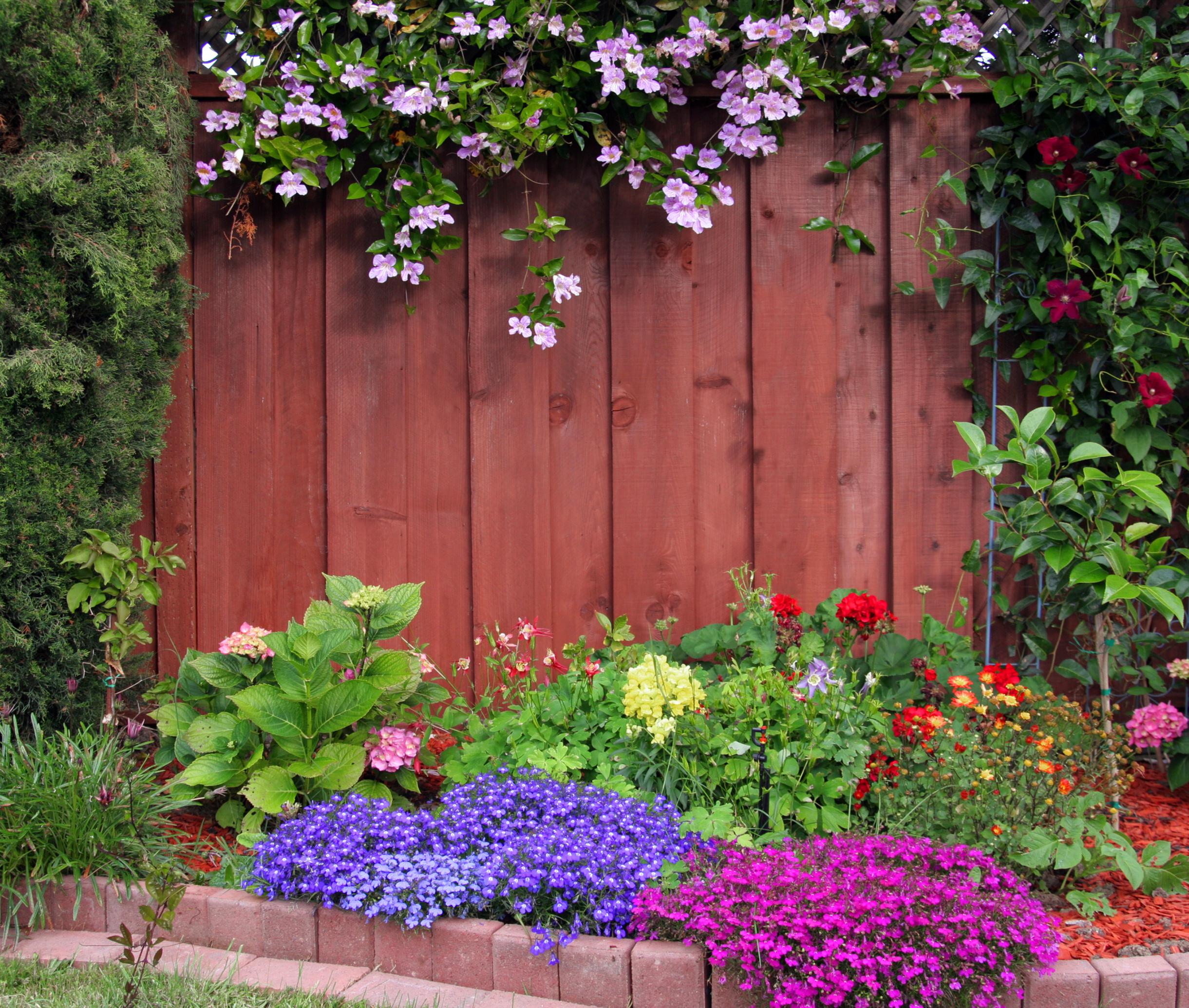
This style offers privacy while still allowing small airflow gaps between overlapping boards. It reduces wind resistance without sacrificing enclosure, making it a popular choice for residential fencing in open areas.
Shadowbox Patterns for Balance
Alternating pickets on both sides of the rails create visual depth and structural balance. This layout helps manage wind pressure while maintaining a polished backyard appearance.
Post Spacing Adjustments
Closer post spacing strengthens the fence line. During wood fence installation, professionals often reduce spacing distances in wind-exposed yards to improve overall stability.
Homeowners exploring these options often review wood fencing styles and materials to compare layouts suited for high wind environments.
Material Choices That Support Long-Term Performance
Even the best design underperforms if the wood itself is not suited to the climate.
Pressure Treated Pine
Pressure-treated pine remains a practical choice due to its strength and resistance to moisture-related weakening. When properly sealed, it performs well under constant wind stress.
Cedar for Flexibility
Cedar fibers offer slight natural flexibility, allowing boards to move without cracking. This characteristic helps absorb gust impact over time while preserving appearance.
Fasteners and Hardware Selection
Wind places repeated tension on fasteners. Using exterior-grade screws and reinforced brackets improves the durability of wood fence installation projects in the Panhandle.
According to wind load guidance published by Texas A&M AgriLife Extension, structures in high wind zones benefit from reinforced anchoring and material selection that prioritizes flexibility over rigidity.
Installation Techniques That Reduce Wind Damage
Professional installation methods make a noticeable difference in fence lifespan.
Deeper Post Setting
Posts set deeper into the ground provide greater resistance against lateral movement. This technique is especially important for residential fencing on open lots.
Concrete Footings and Drainage
Proper drainage around concrete footings prevents water retention that can weaken posts. Strong foundations help fences resist both wind and soil movement.
Homeowners working with Top Rail Fence Texas Panhandle benefit from installation practices designed specifically for the region’s wind conditions.
Ongoing Maintenance in Wind-Exposed Yards
Maintenance is essential for preserving both function and appearance.
Regular Alignment Checks
Wind can gradually shift panels out of alignment. Periodic inspections allow homeowners to correct small issues before they escalate.
Surface Protection
Staining or sealing protects wood fibers from drying out due to constant airflow. This step helps prevent cracking and splintering over time.
Hardware Tightening
Fasteners loosen under repeated movement. Routine tightening ensures panels remain secure throughout the year.
Why Wind Aware Fence Planning Adds Long-Term Value
A fence that withstands wind without constant repairs offers peace of mind and financial value.
Reduced Repair Costs
Proper wood fence installation minimizes the need for frequent panel replacement or post resets.
Consistent Backyard Functionality
Stable fencing maintains privacy, safety, and visual appeal even during high wind seasons.
Enhanced Property Confidence
Buyers recognize well-designed fencing as a sign of thoughtful property care. Wind-ready wood fencing contributes positively to overall home value.
Bringing Wind Ready Backyard Boundaries to Life
Designing fences for the Texas Panhandle requires a deeper understanding of environmental forces. Material selection, layout planning, and installation precision all contribute to lasting performance.
Homeowners across the region rely on Top Rail Fence Texas Panhandle to deliver fencing solutions that stand up to local wind conditions without compromising style. If you are planning a new project or upgrading existing boundaries, expert guidance can help you avoid common pitfalls.
To discuss your options or request an estimate for wood fence installation, visit the Contact Us page and connect with a local fencing professional today.