The landscape of the Texas Panhandle is shaped by dramatic seasonal shifts. From dry summer heat to winter cold fronts and spring winds, outdoor structures are constantly tested. A thoughtfully planned wood fence installation does more than define property lines. It quietly reflects the rhythm of each season while adapting to the environment year after year. Homeowners who invest in wood fencing often appreciate how it changes in tone, texture, and character over time.
Many property owners begin their planning process with Top Rail Fence Texas Panhandle, where fencing designs account for climate cycles and long-term durability. Exploring Texas Panhandle fencing services is often the first step toward choosing a fence that evolves gracefully with the land rather than fighting against it.
Seasonal Changes That Shape Wood Fence Performance
Wood fencing responds visibly to the environment, which is part of its appeal. Each season leaves a subtle mark that tells a story of weather, care, and craftsmanship.
Spring Moisture and Expansion
Spring brings occasional rain and fluctuating temperatures. During this season, a properly executed wood fence installation allows boards to expand naturally without warping or splitting. Spacing between boards and correct fastening techniques are critical, especially for a wood privacy fence that must remain structurally sound while offering consistent coverage.
Using a treated wood fence during installation helps protect against moisture absorption. Treatment processes slow down rot and insect damage, allowing the fence to maintain its strength even as humidity rises.
Summer Heat and Sun Exposure
Summer sun can be intense across the plains. Extended exposure causes untreated wood to dry out quickly, leading to cracking or fading. A treated wood fence resists these effects better, retaining its integrity and appearance longer.
A wooden picket fence in particular benefits from proper sealing or staining during installation. While picket styles are more open, they still endure constant UV exposure. Professional wood fence installation ensures finishes are applied evenly so boards weather consistently rather than unevenly.
Wood Styles That Respond Differently Over Time
Not all wood fences age the same way. The design you choose influences how your fence looks and performs as seasons pass.
Privacy Fencing and Visual Consistency
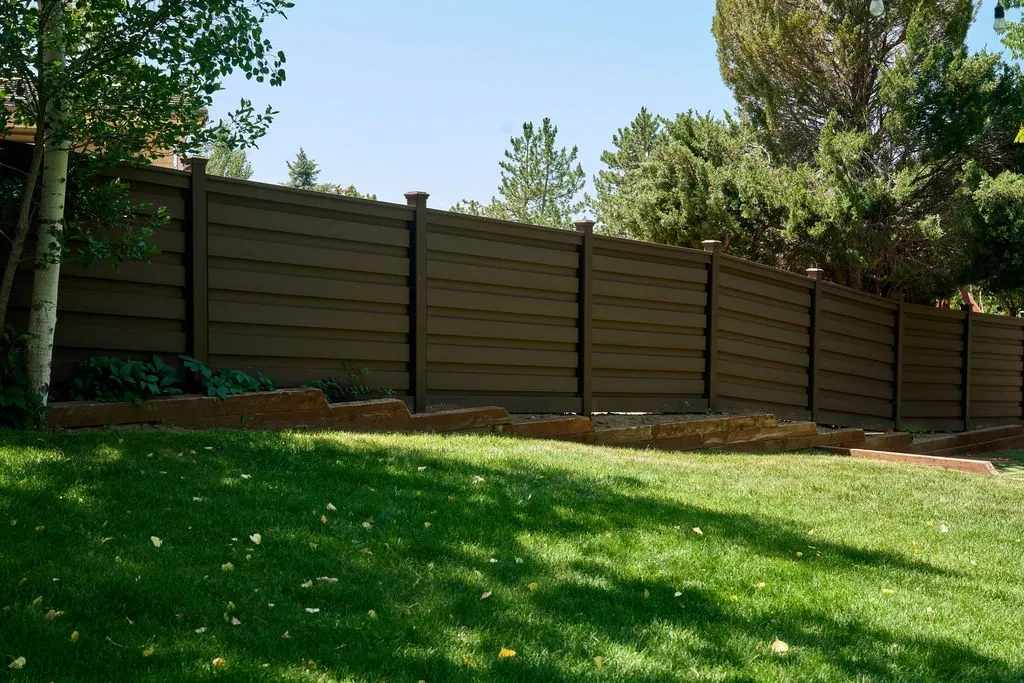
A wood privacy fence experiences seasonal changes more subtly because of its solid structure. Expansion and contraction happen across a wider surface area, making proper installation even more important. When installed correctly, privacy fences develop a uniform patina rather than isolated problem areas.
Many homeowners prefer this option because it balances enclosure with natural aesthetics. Over time, the fence becomes part of the landscape instead of standing apart from it.
Picket Fences and Character Development
A wooden picket fence tends to show seasonal character more visibly. Slight variations in color and texture add charm rather than detract from appearance. This style works well for front yards and open properties where visual flow matters.
Midway through planning, many property owners review wood fencing options to compare styles that align with both seasonal exposure and long-term goals. This step helps ensure the chosen design complements the property throughout the year.
h2: Why Treatment Matters Across All Seasons
Seasonal durability depends heavily on material preparation. A treated wood fence is designed to handle moisture, insects, and temperature changes more effectively than untreated lumber.
Protection Without Constant Maintenance
Treatment does not eliminate maintenance entirely, but it significantly reduces how often repairs or refinishing are needed. This is especially valuable in regions with strong seasonal shifts. A well-treated fence requires less intervention to remain stable and visually appealing.
According to guidance from USDA Forest Products Laboratory, pressure-treated wood offers extended service life in outdoor environments exposed to moisture and soil contact. This makes it a practical choice for fencing in climates like the Texas Panhandle.
Installation Techniques That Extend Lifespan
Even the best materials need proper installation. Post depth, drainage considerations, and fastening methods all influence how a fence handles seasonal stress. Professional wood fence installation ensures these factors are addressed from the start.
This attention to detail is a defining approach of Top Rail Fence Texas Panhandle, where installations are planned with long-term seasonal performance in mind rather than short-term appearance alone.
The Story Your Fence Tells Over Time
As seasons pass, a wood fence becomes a visual record of care and craftsmanship. Subtle color changes, weathered grain, and stable alignment reflect thoughtful installation and quality materials. Rather than deteriorating, a well-installed fence matures.
Homeowners often find that their wood fence installation adds warmth and authenticity to the property. Whether it is a wood privacy fence enclosing a backyard or a wooden picket fence framing a front lawn, the structure becomes part of the home’s identity.
Choosing a Fence Built for Every Season
Selecting the right fencing partner ensures your fence tells the right story. With climate-aware planning, durable materials, and expert installation, wood fencing can thrive through every season the Texas Panhandle brings.
If you are considering a new wood fence installation or upgrading an existing fence, Top Rail Fence Texas Panhandle offers solutions designed to age beautifully and perform reliably. To begin your project or request professional guidance, visit the Contact Us page and connect with a local fencing expert today.