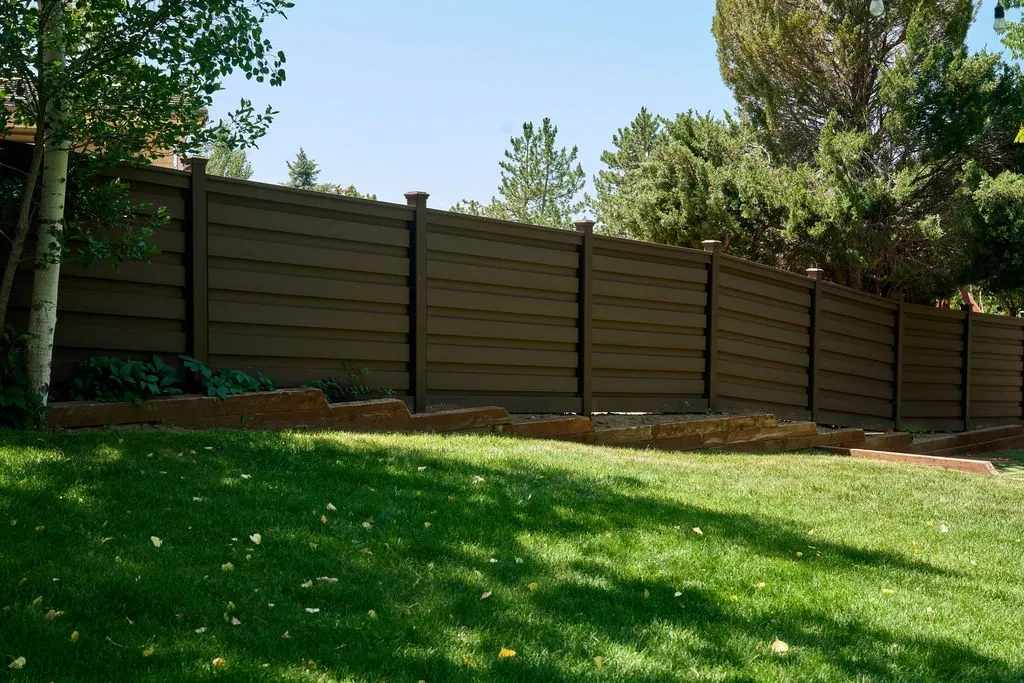
When you invest in wood fencing in the Texas Panhandle, smart upkeep is what turns a good fence into a long-lasting one. Harsh sun, dry soil, and frequent winds increase wear and tear, so a proper maintenance plan is essential after a professional wood fence installation. If you want local experts who understand Panhandle conditions, check our Texas Panhandle location page for service availability and on-site consultations.
Why Panhandle Climate Changes How You Maintain Wood
Dry air and intense UV exposure accelerate the breakdown of wood fibers and finishes, and shifting soils from seasonal droughts and storms can loosen posts. Because of those regional risks, planning maintenance into the life of your fence is as important as the initial build. For legal and landowner guidance on Texas fence responsibilities, Texas A&M AgriLife’s practical resources are a helpful reference.
Choose the Right Wood and Install It Correctly
A durable life for your fence starts with the right materials and an installation built for local conditions.
Best wood choices for long life
Cedar and redwood resist decay naturally and require less chemical treatment. Pressure-treated pine provides an economical, durable option when used for posts and framing. Choose material based on budget, desired look, and maintenance tolerance.
Installation details that matter
Posts should be set deep with concrete footings to resist wind uplift. For very sandy or shifting soils common in parts of the Panhandle, consider larger diameter posts and deeper footings. Proper bracing and cross-rails reduce panel flex and wind damage over time.
Seasonal Maintenance Routine Tailored to the Panhandle
A simple, repeatable maintenance routine will extend the life of your wood fence significantly.
Inspect every season
Walk the fence line quarterly and after major storms. Check for loose fasteners, leaning posts, cracked boards, or rot at the post-to-ground junction. Early detection keeps repairs small and cheap. (After wildfire events in the area, Texas A&M AgriLife has emphasized prioritizing perimeter fence repair first.)
Clean and seal
Dust and pollen build up quickly in dry areas. Wash the fence with mild soap and water, allow it to dry, then apply a UV-blocking sealer or penetrating stain. Re-seal every 2–3 years, depending on exposure and product specs.
Hardware and gate care
Lubricate hinges and tighten lag bolts annually. If you see rust or corrosion starting on nails or brackets, replace them with stainless steel or hot-dipped galvanized fasteners to prevent accelerated deterioration.
Design tweaks that reduce maintenance needs
Small design choices at build time reduce lifetime upkeep.
Ventilated & semi-open styles
Consider shadowbox or spaced-board styles for long, wind-facing runs; allowing some airflow reduces sail effect and pressure on posts.
Elevated bottom clearance
Keep a small gap between the bottom board and soil to prevent moisture wicking and reduce rot at ground contact.
Reinforced posts and hidden steel sleeves
For very windy lots, using steel-post sleeves inside timber posts or adding metal reinforcements to vinyl-clad posts raises resistance to bending and cracking.
If you want help choosing a build that minimizes upkeep, our fence services include material selection and reinforced installations. See examples and options on our wood fencing services page.
Repairs: when to patch vs. when to replace
Minor issues like an isolated split board or a loose picket can be repaired quickly. Replace boards that are deeply cracked, show extensive rot at the ends, or where fasteners pull through. If multiple panels and posts are failing or several posts lean after storms, full section replacement is usually more cost-effective.
For boundary or legal concerns about replacing and maintaining fences in Texas, see Texas statutes and landowner guides for specifics on responsibilities and liability. Texas Statutes+1
Practical checklist for annual care
- Inspect posts and panels after spring and fall.
- Clean fence with mild soap; rinse thoroughly.
- Reapply UV-blocking sealer or stain every 2–3 years.
- Replace corroded hardware with stainless or galvanized fasteners.
- Trim vegetation and maintain a dry clearance at the base.
Why hire local pros?
Local installers know Panhandle soils, wind exposure, and municipal rules. Top Rail Fence Texas Panhandle builds to local specs and offers ongoing fence services from inspections to full replacements, helping you protect your investment. Contact our team for tailored recommendations and scheduling: Contact Us.
Quick FAQs
How often should I reseal wood in the Panhandle?
Every 2–3 years is a good rule; reapply sooner on south- or west-facing runs with intense sun.
Should I replace posts when replacing boards?
If posts show rot or aren’t plumb, replace the post and attached boards of that section to avoid repeat failures.
Can I mix wood species?
Yes, many owners use pressure-treated pine for buried posts and cedar or redwood for visible boards to balance cost and longevity.