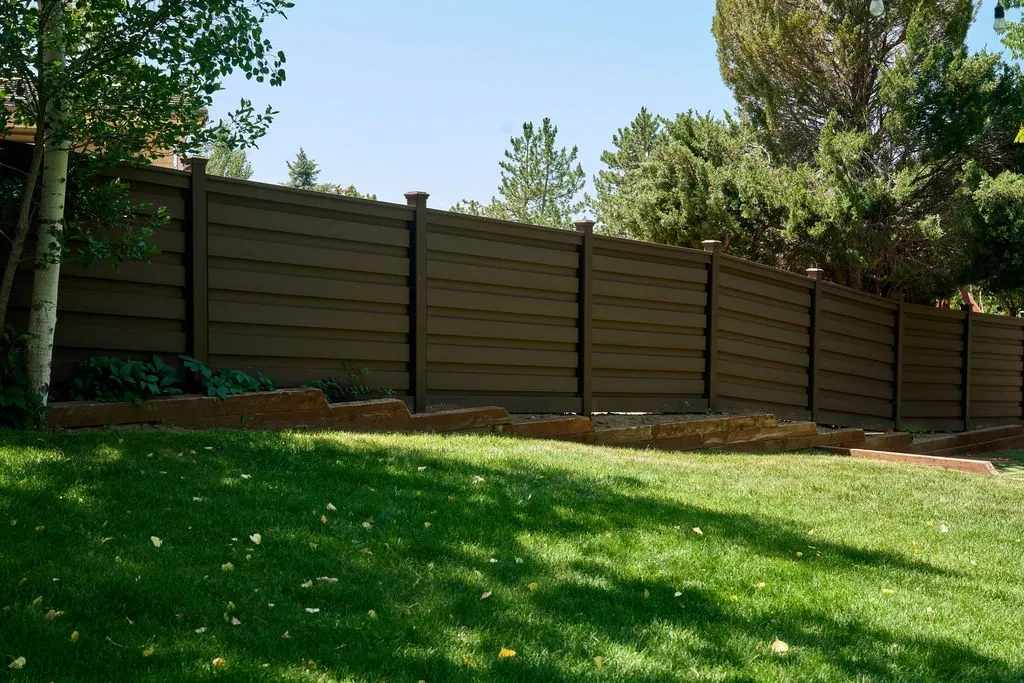
In West St. Louis, sloped yards are more common than many homeowners realize. Rolling terrain, subtle elevation changes, and uneven grading can all influence how a fence looks and performs over time. A properly planned chain link fence installation does more than enclose a yard. It highlights property lines, adapts to elevation shifts, and helps prevent long-term structural concerns. Many residents begin their project by exploring the West St. Louis location page to understand how local terrain impacts fence installation decisions.
When installed correctly, a chain link fence follows the natural contour of the land without compromising strength. Sloped properties require careful measurements and strategic placement to ensure both stability and visual consistency.
Understanding How Slopes Affect Fence Layout
Installing fencing on flat ground is relatively straightforward. However, when elevation changes are involved, the process becomes more detailed. A professional chain link fence installation must account for grade variations, soil stability, and drainage patterns.
On sloped terrain, installers typically choose between two methods: stepping or racking. Each approach affects both appearance and performance.
Stepped Installation Method
The stepped method involves installing fence panels in level sections that descend in increments. This technique creates a stair-step visual effect. It is often used when slopes are steep or uneven.
A stepped fence installation may leave small gaps beneath panels if not carefully measured. For pet owners in West St. Louis, this detail is particularly important to address during planning.
Racked Installation Method
Racking allows the mesh fabric of a chain link fence to follow the natural slope of the yard. The fence maintains continuous ground contact, reducing gaps and maintaining a smoother appearance.
Because the mesh flexes slightly, racking works especially well for moderate slopes. An experienced team understands how much tension is needed to maintain structural integrity during a chain link fence installation on angled terrain.
Property Boundaries and Elevation Changes
Sloped yards often create confusion about where one property ends and another begins. A properly placed chain link fence installation can clarify these lines while preventing future disputes.
Before beginning any fence installation, homeowners should verify property boundaries through official surveys or municipal records. According to the City of St. Louis Building Division, reviewing local building codes and setback requirements is an important first step when installing residential fencing.
Avoiding Encroachment Issues
On a slope, visual perception can be misleading. A fence that appears straight from one angle may unintentionally cross into a neighboring lot if measurements are not precise. Proper staking and alignment are essential components of a professional chain link fence installation.
Drainage and Water Flow Considerations
Sloped yards naturally guide rainwater downhill. A poorly positioned chain link fence can disrupt this flow, leading to soil erosion around posts. Experienced installers evaluate drainage patterns before completing any fence installation, reducing the likelihood of shifting posts and premature wear.
Structural Stability on Uneven Ground
Stability is one of the biggest concerns when installing fencing on a slope. Soil composition, moisture retention, and depth all influence how securely posts can be anchored.
Post Depth and Reinforcement
A reliable chain link fence installation requires posts to be set at appropriate depths, often deeper on downhill sections where soil movement may occur. Reinforced concrete footings add durability and help prevent leaning.
In West St. Louis, clay-heavy soils can expand and contract with seasonal moisture changes. This movement makes professional fence installation particularly valuable for long-term performance.
Preventing Long-Term Repair Expenses
Improper installation on sloped terrain may lead to sagging mesh, leaning posts, or loose hardware. These issues can significantly increase fence repair costs over time. Addressing slope challenges correctly during the initial chain link fence installation helps minimize future maintenance expenses.
Homeowners who attempt shortcuts often find that the eventual fence repair cost exceeds what they would have spent on proper installation from the beginning.
Visual Impact of Chain Link on Rolling Terrain
While functionality is essential, appearance also matters. A thoughtfully planned chain link fence installation can enhance the look of a sloped yard by creating clean, defined lines that complement the landscape.
Blending With Natural Contours
A racked chain link fence follows the land’s natural shape, creating a seamless transition across elevation changes. This approach helps the fence feel integrated rather than imposed.
Maintaining Open Sightlines
One advantage of a chain link fence on a slope is preserved visibility. Unlike solid fencing materials, chain link allows homeowners to see across varying elevations without obstruction. This transparency is particularly useful for monitoring pets and children in multi-level yards.
For additional information about design options, homeowners can explore the chain link fence installation services page to understand how materials and techniques vary based on property layout.
Why Professional Planning Matters
Sloped yards require more than standard measurements. Each section must be carefully aligned, tensioned, and secured to prevent shifting over time. Working with experienced professionals ensures that every chain link fence installation addresses grade changes and boundary clarity from the start.
Many homeowners in West St. Louis turn to Top Rail Fence West St Louis when navigating complex terrain. Their understanding of local soil conditions and municipal guidelines helps reduce unexpected challenges during fence installation.
A well-executed project not only enhances security but also reduces the likelihood of rising fence repair costs caused by preventable installation errors.
Long-Term Value for West St. Louis Properties
Investing in a durable chain link fence installation provides lasting benefits for sloped properties. Proper alignment preserves boundaries, secure anchoring improves structural stability, and thoughtful design enhances curb appeal.
In West St. Louis, where elevation changes are common, professional expertise can make a significant difference in performance and longevity. Top Rail Fence West St Louis has worked with homeowners across the area to develop customized solutions tailored to unique landscapes.
If you are considering a new chain link fence installation or evaluating the potential fence repair cost for an existing structure, professional guidance can help you make informed decisions. Visit the Contact Us page to connect with Top Rail Fence West St Louis and schedule a consultation tailored to your property’s specific terrain and boundary needs.