Designing a fence that feels natural in West St. Louis requires more than picking a popular material or copying a neighbor’s layout. Homes in this area reflect a mix of historic influences, thoughtful proportions, and intentional craftsmanship. Homeowners who want their property to feel cohesive often begin with a fence design that respects architectural character while still feeling personal. Many residents exploring fencing solutions in West St. Louis start by reviewing local options through Top Rail Fence West St Louis to understand which styles and materials work best in this region.
A well-planned fence design does not replicate architectural details directly. Instead, it echoes scale, balance, and material harmony. This approach allows a fence to complement a home rather than compete with it, which is especially important in architecturally diverse neighborhoods.
Reading Architectural Cues Without Imitation
Homes throughout West St. Louis often feature strong visual rhythms. Rooflines, window spacing, masonry patterns, and exterior finishes all offer subtle cues that can influence a fence without turning it into a copy of the house itself.
Proportion and Visual Balance
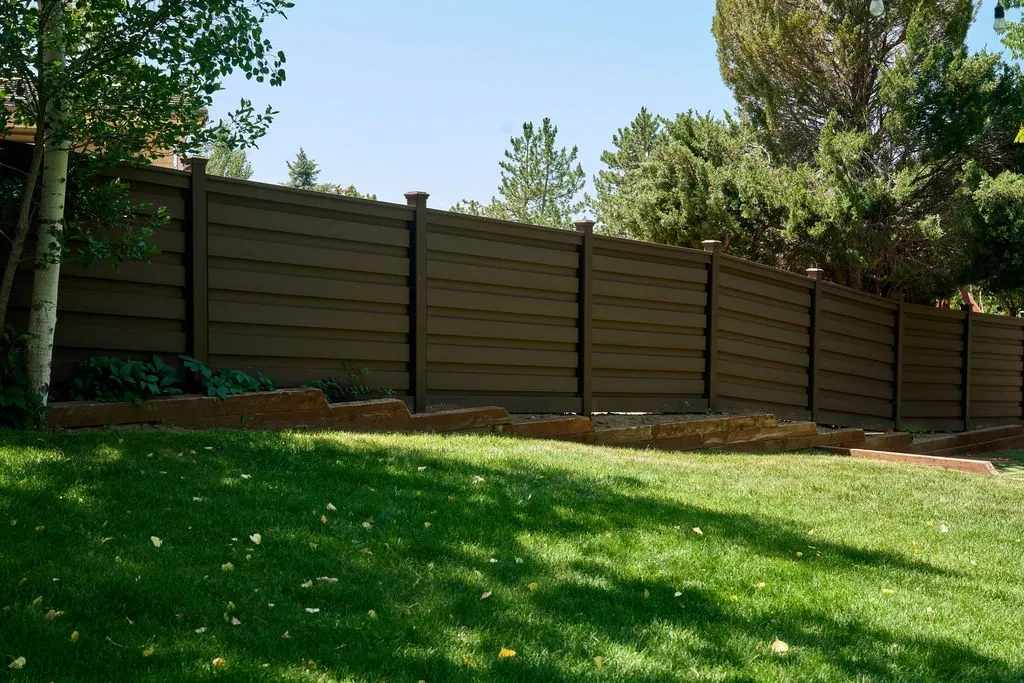
A thoughtful fence design considers height, spacing, and openness. Taller fences may suit stately properties with deeper setbacks, while lower profiles often align better with traditional residential streetscapes. The goal is to mirror the home’s sense of scale without overwhelming it. Slat spacing, rail placement, and post size all contribute to a balanced appearance that feels intentional rather than decorative.
Material Compatibility Over Matching
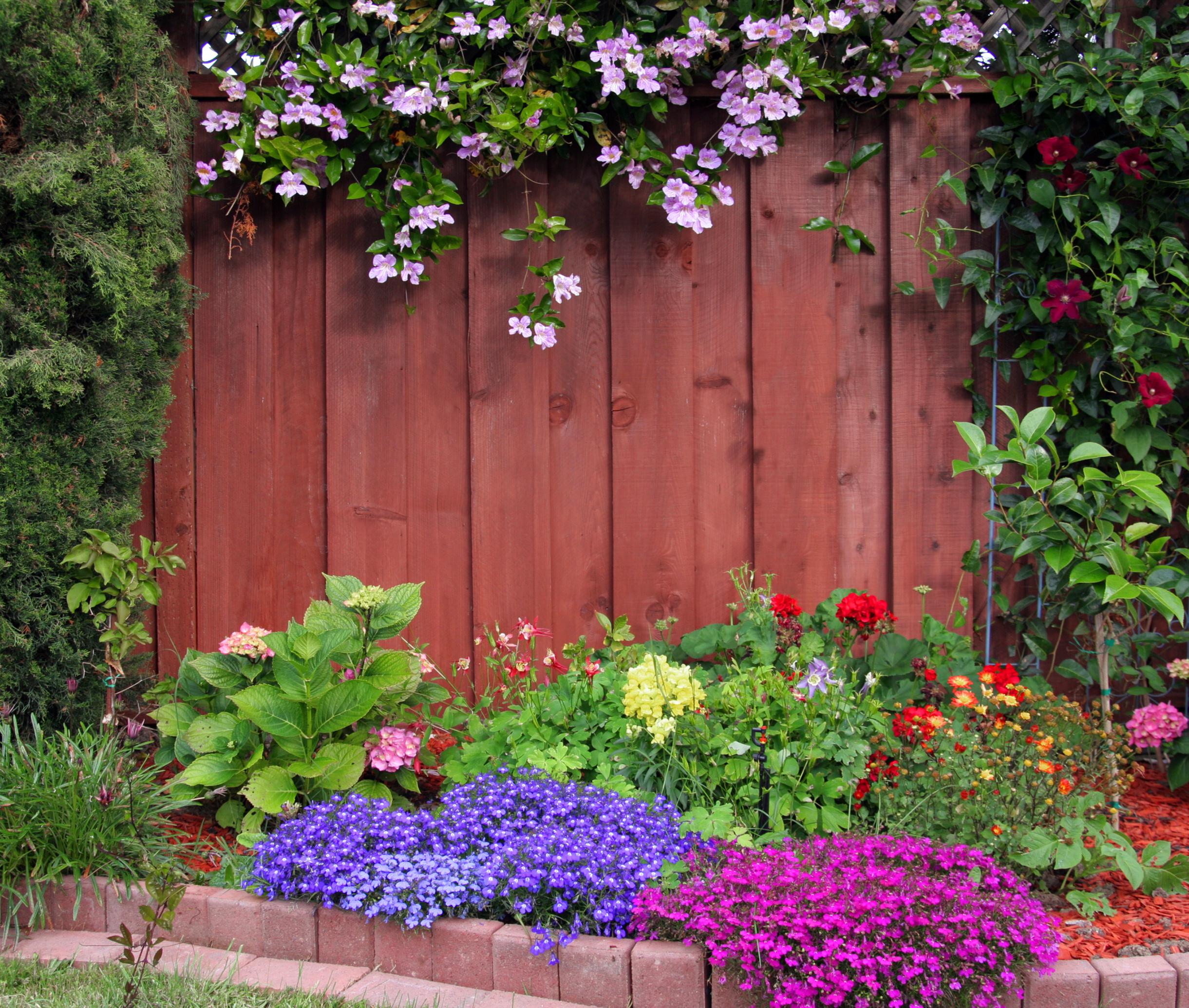
Choosing materials that complement existing finishes is more effective than matching them exactly. For example, warm wood tones can soften brick exteriors, while metal accents may align well with stone or stucco façades. Exploring different fence styles allows homeowners to find combinations that feel natural within the neighborhood context while still standing apart as a unique element.
Adapting Fence Styles to Neighborhood Character
Not every neighborhood in West St. Louis shares the same architectural personality. Some areas lean toward traditional forms, while others feature transitional or contemporary influences. The best fence design adapts to its surroundings without losing individuality.
Traditional Homes and Timeless Lines
For classic homes, simple horizontal or vertical lines tend to work best. Clean rails, consistent spacing, and restrained detailing help maintain a timeless look. These approaches are especially effective for homeowners evaluating residential fence types that prioritize subtlety and long-term appeal.
Modern Homes and Intentional Contrast
Contemporary properties often benefit from intentional contrast rather than imitation. A streamlined metal or mixed-material fence can highlight modern architecture without copying its exact features. When done correctly, this contrast reinforces design clarity instead of creating visual tension.
Industry insights from architectural publications such as ArchDaily emphasize the importance of contextual design, noting that exterior elements should respond to surroundings while maintaining their own identity. You can explore architectural context principles through ArchDaily’s residential design guidance, which supports thoughtful exterior integration.
Functional Planning That Supports Design
Visual appeal is only one part of an effective fence design. Functionality must align with aesthetics to ensure long-term satisfaction.
Privacy, Boundaries, and Flow
Different residential fence types serve different purposes. Privacy fencing supports backyard use, while semi-open designs maintain visual flow along front yards. Understanding how each area of the property is used helps guide decisions that balance openness and enclosure.
Installation Precision Matters
Even the most refined fence styles lose impact without proper execution. Professional fence installation ensures posts are aligned, spacing is consistent, and materials perform as intended over time. In the middle of planning, many homeowners explore material-specific insights by reviewing resources such as wood fencing design options to better understand how design choices affect longevity and appearance.
This is where Top Rail Fence West St Louis plays an important role. Experience with local soil conditions, zoning considerations, and neighborhood expectations allows designs to translate accurately from concept to completion.
Creating a Fence That Feels Intentional, Not Trend-Driven
Trends change, but architectural harmony endures. A successful fence design in West St. Louis prioritizes longevity over novelty.
Avoiding Over-Decoration
Excessive ornamentation often dates a fence quickly. Clean lines, thoughtful spacing, and quality materials tend to age more gracefully. This approach also allows the fence to adapt visually as landscaping matures over time.
Blending Landscape and Structure
A fence should work alongside trees, plantings, and terrain. Strategic placement and material choice help integrate the structure into the landscape, making it feel like a natural extension of the property rather than an added barrier.
Throughout this process, Top Rail Fence West St Louis is often referenced by homeowners seeking guidance that balances design sensitivity with practical construction standards. Their familiarity with local architectural nuances supports outcomes that feel both refined and functional.
Planning the Next Step With Confidence
Designing a fence that respects West St. Louis architecture without copying it requires careful consideration of proportion, materials, and purpose. A strong fence design enhances curb appeal, defines space, and supports daily use without distracting from the home itself.
Homeowners ready to refine their plans can connect directly with Top Rail Fence West St Louis to discuss materials, layouts, and fence installation strategies tailored to their property. To begin the conversation and explore design options that align with your home’s character, visit the Contact Us page and schedule a consultation with a local fencing professional.