Property boundaries in West St. Louis are shaping how homeowners approach modern fence design more than ever before. Older subdivisions, irregular lot shapes, shared easements, and setback rules all influence how fences are planned, positioned, and styled. Instead of choosing fencing purely for appearance, many homeowners now begin with boundary considerations to ensure their fence aligns with both property limits and neighborhood expectations. Residents seeking local insight into boundary-based planning often start with Top Rail Fence West St Louis, to understand how lot lines impact design decisions from the start.
A successful fence design respects property lines while still enhancing curb appeal. When boundaries are understood early, the final result feels intentional, balanced, and compliant rather than forced.
Why Property Lines Are Driving Design Choices
In many West St. Louis neighborhoods, property lines are not always straight or symmetrical. Angled lots, shared driveways, and narrow side yards require thoughtful planning that prioritizes precision over trends.
Boundary Awareness Creates Better Flow
When fences are placed without full boundary awareness, they can interrupt access points, crowd landscaping, or create awkward transitions between spaces. A boundary-first fence design allows the fence to follow the natural flow of the lot, preserving movement and visibility while clearly defining ownership.
Neighborhood Spacing Expectations
Many communities in West St. Louis value visual consistency. Even when fences differ in material, spacing, and alignment often follow unspoken neighborhood patterns. Understanding these expectations helps homeowners select fence styles that blend naturally without copying surrounding properties outright.
How Modern Fence Styles Adapt to Lot Constraints
Today’s fence styles are evolving to accommodate irregular boundaries without sacrificing aesthetics. Design flexibility has become a priority as homeowners look for solutions that fit their property rather than reshape it.
Open Designs for Shared Boundaries
For lots with shared sightlines or adjacent walkways, semi-open fence options allow boundaries to remain clear without creating visual barriers. These designs are defined while maintaining openness, especially alongside yards or front property lines.
Transitional Designs for Uneven Lines
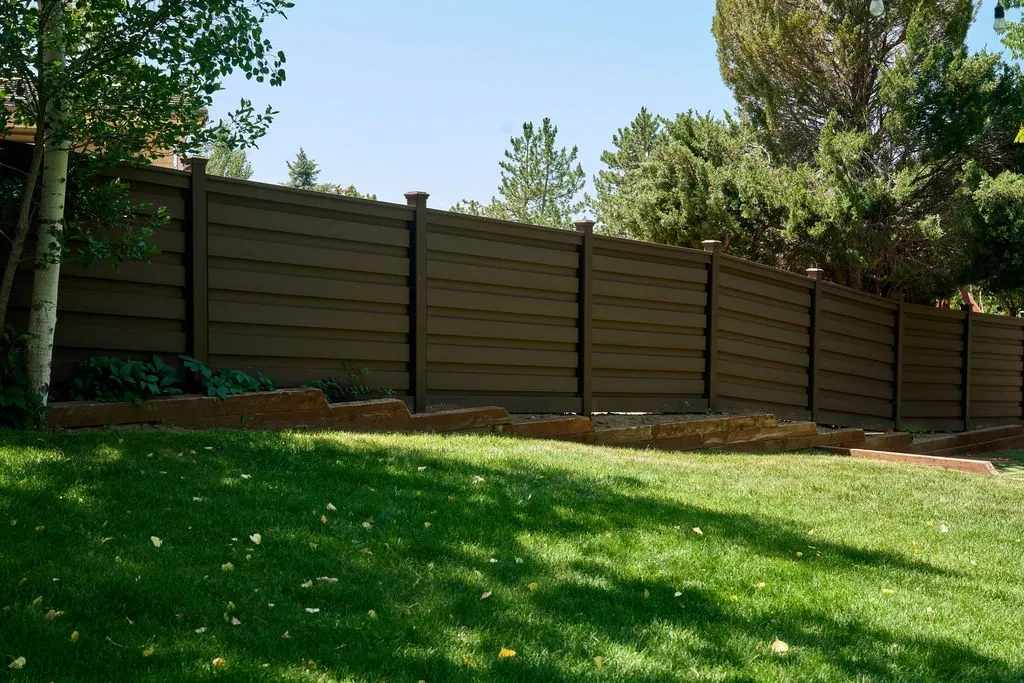
When property lines shift or change direction, transitional panels and subtle height adjustments help maintain a cohesive look. A well-planned fence design uses these transitions intentionally so the fence feels continuous even when the boundary is not.
Homeowners exploring adaptable solutions often review layout-driven planning concepts through related resources like fence design planning insights to better understand how boundaries influence structure and appearance.
Fence Guidelines That Shape Design Decisions
Local and municipal fence guidelines play a significant role in determining how fences can be built. Height restrictions, setback requirements, and visibility rules often dictate design parameters before materials are even considered.
Setbacks and Visibility Rules
Front yard fences may need to sit back from sidewalks or remain below a certain height. These guidelines influence fence design choices by encouraging decorative or low-profile styles that define boundaries without obstructing views.
Easements and Utility Access
Easements often run along property edges, limiting where permanent structures can be placed. A boundary-aware fence design accounts for these zones early, preventing future conflicts or required removals.
To better understand how property regulations influence boundary placement, homeowners can reference general planning standards provided by St. Louis County Planning and Zoning, which outline how residential boundaries are managed across the region.
Balancing Creativity With Compliance
While property lines impose limits, they also encourage creativity. The most effective fence design solutions work within guidelines while still offering visual interest and personalization.
Layered Design Approaches
Layering heights, textures, or spacing allows fences to adapt to boundary restrictions without appearing plain. These subtle design choices help modern fences stand out while staying compliant.
Material Selection as a Secondary Step
Once boundaries and guidelines are established, selecting materials becomes easier. Rather than forcing materials to fit a layout, homeowners can choose fence options that naturally support the approved design.
This strategic approach is one reason many homeowners rely on Top Rail Fence West St Louis when navigating complex boundary considerations. Local experience helps translate regulations into practical designs.
Long-Term Value of Boundary-Driven Fence Design
A boundary-focused fence design does more than meet requirements. It improves usability, reduces disputes, and supports long-term property value.
Fewer Conflicts With Neighbors
Clear, accurate placement reduces misunderstandings and future boundary disputes. When fences align precisely with property lines, ownership is unmistakable.
Easier Maintenance and Adjustments
Fences placed with setbacks, access zones, and lot contours in mind are easier to maintain. Repairs, landscaping changes, and future upgrades can be handled without disruption.
Designing With Confidence in West St. Louis
Modern fencing decisions in West St. Louis are no longer driven by appearance alone. Property lines, local fence guidelines, and neighborhood context now shape how fences are designed from the ground up. When boundaries guide the process, the result is a fence that feels intentional, compliant, and visually balanced.
Homeowners ready to plan a boundary-smart fence design can work with Top Rail Fence West St Louis to develop a solution tailored to their property’s unique layout. To discuss your boundary considerations and explore suitable fence styles and fence options, visit the Contact Us page to schedule a consultation with a local fencing expert.