Homeowners across West St. Louis often begin planning a fence by focusing on materials first. While material choice is important, the long-term success of any fence design depends far more on how the fence is laid out across the yard. Property shape, elevation changes, access points, and neighborhood spacing all influence how a fence performs and how it looks once installed. Many residents exploring professional guidance start by reviewing local planning considerations through Top Rail Fence West St Louis to better understand how layout decisions shape the overall outcome.
A thoughtful fence design begins with understanding how space is used, not just what materials are available. When layout is planned correctly, even simple materials can deliver a polished and functional result that fits naturally into the surrounding environment.
How Yard Layout Shapes Fence Performance
Every yard in West St. Louis presents its own challenges. Slopes, setbacks, tree placement, and drainage patterns all affect how a fence should be positioned. Ignoring these factors can lead to uneven lines, restricted access, or future maintenance problems.
Property Lines and Natural Flow
A well-planned fence layout follows property boundaries while respecting how people move through the space. Walkways, driveways, patios, and garden areas should remain accessible without awkward turns or blocked sightlines. When the layout aligns with natural movement, the fence feels intentional rather than imposed.
Elevation and Grade Transitions
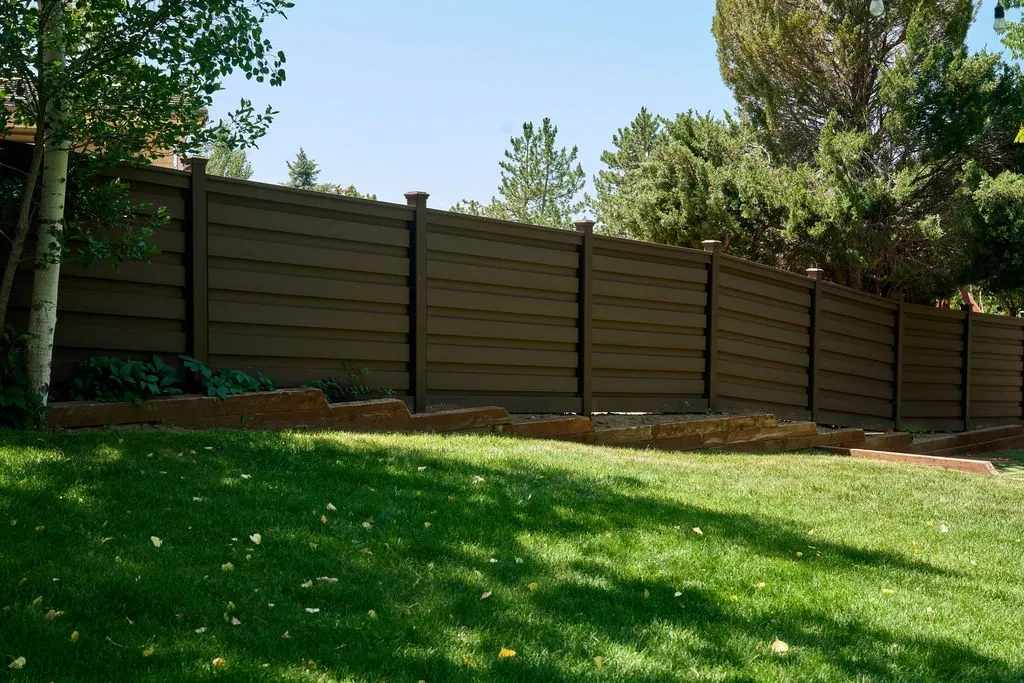
Elevation changes play a major role in fence design. Stepped panels, racked sections, or gradual transitions help maintain visual consistency while adapting to uneven ground. Poor layout choices often force material compromises later, which can impact both durability and appearance.
Why Materials Should Follow Layout Decisions
Many homeowners search for the best materials for fence projects before considering layout. This approach often leads to mismatched solutions. Layout defines what materials will perform best, not the other way around.
Structural Efficiency Over Material Preference
Certain layouts require flexibility, while others demand rigidity. Long straight runs may support heavier materials, while curved or irregular boundaries benefit from adaptable options. A strong fence design accounts for these conditions early, allowing material selection to support the layout rather than fight it.
Visual Consistency Across the Property
Consistent spacing, alignment, and transitions matter more visually than material type. Even premium materials can look disjointed if the fence layout is poorly planned. This is why layout-first planning often results in cleaner lines and better curb appeal.
Homeowners evaluating layout strategies often explore related planning concepts through resources like fence design planning guides, which explain how early layout decisions influence final results.
Functional Zones and Fence Ideas That Work Together
Effective fence design considers how different zones within a yard are used. Front yards, side yards, and backyards rarely serve the same purpose, and the layout should reflect those differences.
Front Yard Definition Without Restriction
Front-facing fences benefit from openness and alignment with neighborhood spacing. Layout choices that preserve visibility while defining boundaries help maintain community character. These fence ideas focus on proportion rather than enclosure.
Backyard Privacy and Utility
Backyard layouts often prioritize privacy, safety, and flexible access. Gate placement, corner alignment, and clearance around structures all influence how usable the space remains. Thoughtful fence layout planning ensures privacy without sacrificing functionality.
This balance is one reason homeowners frequently consult Top Rail Fence West St Louis during the planning phase, where layout expertise helps translate yard goals into practical designs.
Planning for Longevity and Maintenance
A layout-driven fence design also reduces long-term maintenance issues. Proper spacing from trees, drainage paths, and utility access points prevents premature wear and unnecessary repairs.
Avoiding Future Conflicts
Poor layout can interfere with landscaping growth, drainage flow, or future property updates. Planning allows the fence to coexist with evolving yard needs instead of becoming an obstacle.
Compliance and Local Considerations
Layout decisions should also account for local regulations. Setback requirements, easements, and visibility rules all influence where a fence can be placed. Guidance from regional planning resources such as St. Louis County Planning and Zoning offers insight into how placement affects compliance and long-term use. You can review general residential planning considerations through St. Louis County Planning to better understand local layout constraints.
Why Professional Layout Planning Makes a Difference
While materials can be selected later, layout mistakes are difficult to undo. Professional planning ensures the fence design supports both current needs and future changes.
Precision From Concept to Installation
Accurate measurements, aligned posts, and consistent transitions all stem from layout precision. This foundation allows materials to perform as intended, regardless of style or finish.
Experience With Local Yards
Yards in West St. Louis vary widely, from compact urban lots to expansive residential properties. Familiarity with these variations allows layout strategies to adapt without compromising structure or appearance. This local insight is a key reason Top Rail Fence West St Louis is often referenced during early planning discussions.
Bringing Layout and Design Together
The most successful fences are not defined by material alone. They are shaped by thoughtful fence design that prioritizes layout, movement, and long-term usability. When layout decisions come first, material selection becomes simpler and more effective.
Homeowners ready to plan a fence that works with their yard instead of against it can connect with Top Rail Fence West St Louis, to discuss layout strategies tailored to their property. To begin planning a layout-driven solution that balances function and appearance, visit the Contact Us page and schedule a consultation with a local fencing expert.