In West St. Louis, floodplain zoning subtly influences many residential decisions, particularly when it comes to boundary structures. Homeowners living near creeks, low-lying neighborhoods, or designated flood zones are discovering that material choice matters just as much as design. This is one of the key reasons aluminum fence installation continues to gain traction in the area. Many property owners working with Top Rail Fence West St Louis begin their research by reviewing West St. Louis residential fencing options to understand how local zoning influences fence longevity.
Floodplain regulations are not just about permits. They directly impact how a fence performs over time when exposed to saturated soil, shifting ground, and periodic water flow. Aluminum has proven to be one of the most reliable solutions under these conditions.
How Floodplain Zoning Impacts Fence Material Selection
Floodplain zoning exists to reduce structural damage and environmental disruption. Fences installed in these zones must tolerate moisture and movement without becoming hazards.Soil saturation and post-stability
Wood posts absorb moisture, swell, and eventually rot when exposed to prolonged dampness. In contrast, aluminum fence installation relies on corrosion-resistant materials that remain stable even when the surrounding soil holds water for extended periods.
Compliance without constant repairs
Floodplain-compliant fencing often requires additional inspections or replacements when materials fail. Aluminum reduces these recurring issues, making it easier for homeowners to stay compliant long term.
Why Aluminum Performs Better in Flood-Prone Areas
Not all fencing materials respond equally to water exposure. Aluminum offers several advantages that align naturally with floodplain requirements.
Resistance to corrosion and decay
Aluminum does not rust or decompose. Even after heavy rain events or minor flooding, the structure retains its integrity without weakening at connection points.
Lightweight strength
Because aluminum is strong yet lightweight, it places less stress on posts and footings during soil movement. This characteristic supports both fence installation efficiency and long-term stability.
Privacy Needs in Zoned Neighborhoods
Many homeowners worry that floodplain restrictions limit privacy options. That is not the case with modern aluminum systems.
Aluminum privacy fence solutions
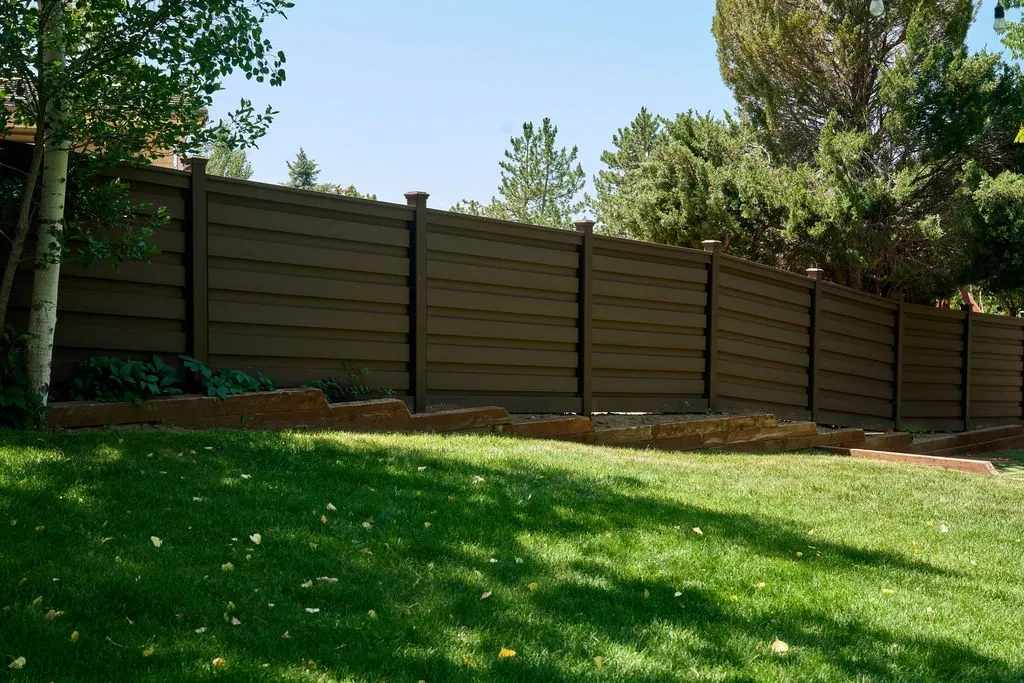
An aluminum privacy fence provides visual screening while allowing controlled water flow beneath or through the structure. This balance helps homeowners maintain privacy without violating zoning expectations.
Custom spacing and panel height
Aluminum panels can be adjusted to meet height and spacing regulations while still delivering a sense of enclosure. This flexibility is especially valuable in residential developments with mixed zoning overlays.
Residential Installation Considerations
Floodplain zoning does not eliminate the need for curb appeal. It simply requires smarter choices during residential fence installation.
Professional installation methods
Proper footing depth and alignment are critical in flood zones. Experienced installers account for soil composition, drainage patterns, and grade changes to ensure the fence remains level over time.
Reduced maintenance burden
Unlike wood, aluminum does not require sealing, staining, or rot replacement. Homeowners benefit from fewer maintenance cycles, which is a major advantage in regulated areas.
Long-Term Cost Implications
Initial material costs are only one part of the equation. Floodplain zoning amplifies the importance of lifecycle value.
Fewer replacements after weather events
Storm-related repairs are common with traditional fencing. Aluminum significantly reduces the likelihood of post-storm replacements, protecting your investment.
Predictable ownership costs
With minimal upkeep requirements, aluminum fence installation offers more predictable expenses over the years, which appeals to homeowners planning long-term occupancy.
Environmental and Regulatory Alignment
Floodplain regulations often emphasize sustainability and reduced obstruction to water movement.
Environmentally responsible material
According to guidance from The Federal Emergency Management Agency, structures in flood-prone areas should minimize debris and damage risks. Aluminum fencing aligns well with these principles due to its durability and recyclability.
Easier permitting process
Local inspectors are familiar with aluminum fencing in flood zones, which can simplify approval compared to materials with known failure risks.
Why Homeowners Are Making the Switch
Across West St. Louis, more residents are choosing aluminum after experiencing repeated issues with wood or composite fencing. Top Rail Fence West St Louis frequently works with homeowners transitioning from failing fences to aluminum systems designed for long-term performance. This shift is less about trends and more about adapting to local environmental realities.
Planning Your Next Fence Project
Choosing the right fence in a floodplain zone requires balancing appearance, durability, and compliance. Aluminum continues to meet all three criteria without compromise. If your property is affected by zoning considerations, reviewing aluminum options early can prevent costly mistakes later.
To explore designs, understand zoning requirements, or schedule a consultation, connect with Top Rail Fence West St Louis through Contact Top Rail Fence and take the next step toward a durable, regulation-friendly fencing solution built for West St. Louis conditions.