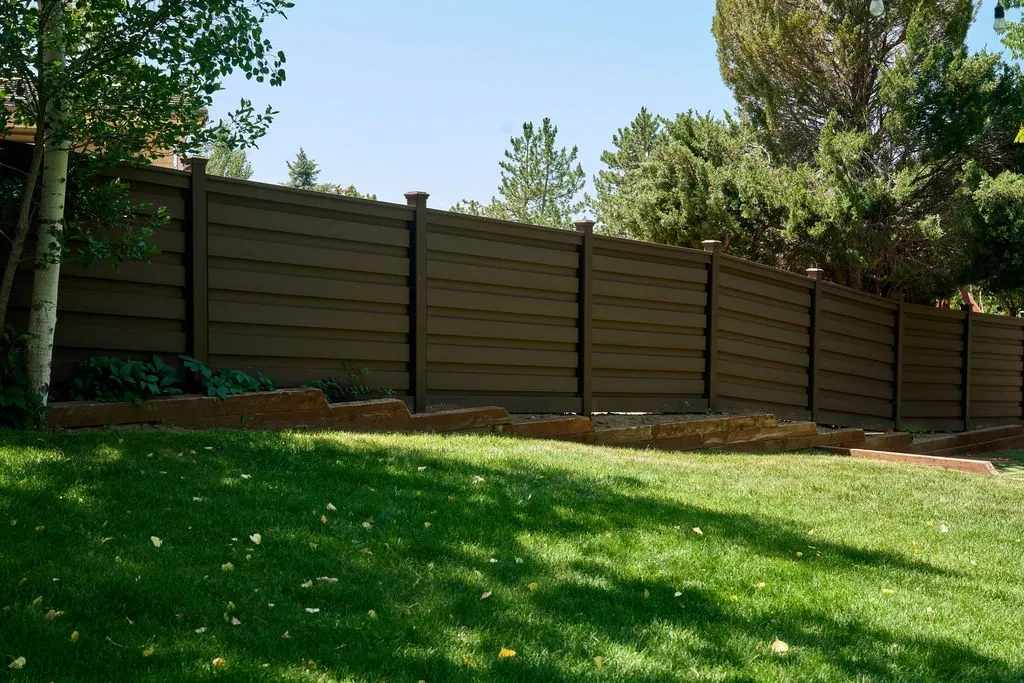
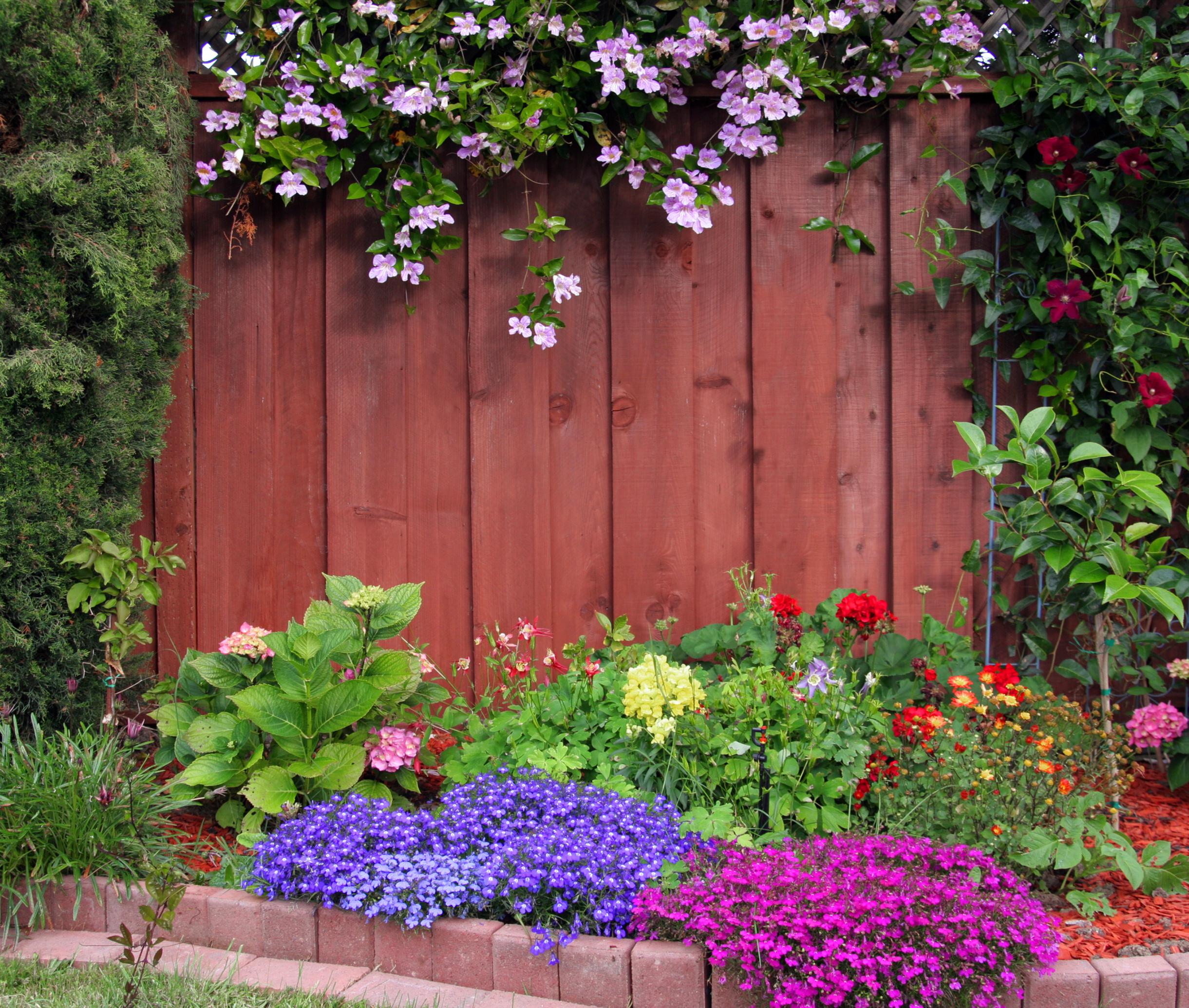
In West St. Louis, heavy storms can transform a quiet backyard into a temporary drainage channel within minutes. After significant rainfall, homeowners who have invested in privacy fence installation should take time to inspect how water interacts with their fence line. Even the most durable privacy fence can experience stress if pooling water, soil erosion, or runoff patterns are ignored. Many residents turn to Top Rail Fence West St Louis for guidance on how proper fence installation accounts for stormwater behavior from the start.
A well-built fence is not only about aesthetics and boundary definition. It also plays a subtle role in how a yard handles excess moisture. Post-storm inspections help ensure that your privacy fence installation continues to perform as intended long after the clouds clear.
Why Stormwater Patterns Matter for Backyard Fences
Stormwater rarely flows evenly across a property. It follows the path of least resistance, often moving toward low spots along fence lines. In West St. Louis, clay-rich soils can hold moisture longer than expected, increasing pressure around posts.
Ignoring these patterns may shorten the lifespan of a privacy fence. A careful drainage check allows homeowners to detect early signs of stress before structural issues develop.
Observing Soil Saturation Around Posts
After a storm, inspect the base of each post. Soft, sunken, or shifting soil can indicate erosion. Quality privacy fence installation anticipates these conditions by setting posts deep and securing them properly.
However, even the most professional fence installation benefits from routine monitoring. Catching minor soil displacement early can prevent leaning sections later.
Checking for Standing Water
Water that lingers near the fence line for more than a day deserves attention. Persistent pooling may signal poor grading or blocked runoff channels. Over time, constant exposure to moisture can weaken wood fibers or corrode fasteners within a privacy fence system.
Evaluating Panel Alignment After Heavy Rain
Storm-driven winds combined with saturated soil can subtly shift fence sections. Homeowners should step back and visually inspect the alignment of panels.
Looking for Uneven Gaps
Gaps between boards or beneath panels may widen if posts have moved. A consistent gap pattern typically indicates that the original privacy fence installation remains stable. Uneven spacing, however, may require professional evaluation.
Inspecting Fasteners and Hardware
High winds often accompany heavy rainfall in West St. Louis. Check screws, nails, and brackets for loosening. A reputable fencing company designs installations to withstand regional weather, but hardware inspections are still important after severe storms.
The team at Top Rail Fence West St Louis recommends periodic checks to ensure every element of the structure remains secure, especially during peak storm seasons.
Drainage Channels and Fence Interaction
Fences sometimes unintentionally redirect water. Solid panels can act as barriers, altering natural flow paths across a yard.
Homeowners exploring privacy fence options often learn that strategic spacing at ground level can support better drainage. Thoughtful privacy fence installation considers how runoff will pass through or around the structure without compromising stability.
Clearing Debris From the Fence Base
Leaves, branches, and sediment frequently collect along fence lines during storms. Removing debris quickly prevents water from backing up and saturating the soil around posts.
Monitoring Erosion Along Slopes
Properties with gradual slopes are especially vulnerable. Water flowing downhill may carve shallow trenches near fence sections. A professional fence installation plan accounts for grading, but erosion control measures may need adjustment over time.
According to the Environmental Protection Agency, managing stormwater effectively helps prevent soil loss and structural damage on residential properties. These principles apply directly to maintaining a strong privacy fence in storm-prone regions.
Signs That Professional Evaluation May Be Needed
While many post-storm checks can be handled by homeowners, certain indicators suggest it is time to consult a trusted fencing company.
Noticeable Leaning or Bowing
If sections appear tilted or bowed after rainfall, water pressure, or soil movement, the integrity of the sections is compromised. Prompt assessment protects the integrity of your privacy fence installation.
Repeated Pooling in the Same Area
Chronic drainage problems along the fence line may require grading adjustments. A knowledgeable fencing company can evaluate whether minor modifications will resolve the issue or if reinforcement is necessary.
Residents of West St. Louis often rely on Top Rail Fence West St Louis for guidance when storm-related concerns arise. Their experience with local soil conditions helps identify practical solutions.
Proactive Measures to Protect Your Fence
A drainage check should not be reactive alone. Preventive strategies reduce the likelihood of storm damage.
Maintaining Proper Grading
Ensure that soil slopes slightly away from the fence rather than toward it. This simple adjustment supports the longevity of any privacy fence installation.
Reinforcing Vulnerable Areas
If certain sections consistently face heavy runoff, adding gravel beds or minor drainage channels can redirect water safely. Integrating these measures into routine yard care protects the results of professional fence installation.
Understanding the Broader Value of Routine Checks
Beyond structural protection, regular inspections provide peace of mind. A stable and well-maintained privacy fence contributes to security, privacy, and curb appeal.
Storm seasons in West St. Louis can be unpredictable. Taking time after each significant rainfall to examine posts, panels, and surrounding soil ensures that small issues do not escalate.
Homeowners who work with Top Rail Fence West St Louis often appreciate the long term perspective provided during installation consultations. Thoughtful planning makes post-storm inspections straightforward and manageable.
Moving Forward After the Storm
Heavy rain does not have to threaten your investment. By performing a careful drainage check and addressing concerns early, homeowners can preserve the integrity of their privacy fence installation for years to come.
If you notice shifting soil, persistent pooling, or structural changes after a storm, consider reaching out to the experienced team at Top Rail Fence West St Louis. Visit the Contact Us page to discuss your concerns and schedule a professional evaluation. With expert support and proactive maintenance, your privacy fence can remain secure and resilient throughout every storm season in West St. Louis.