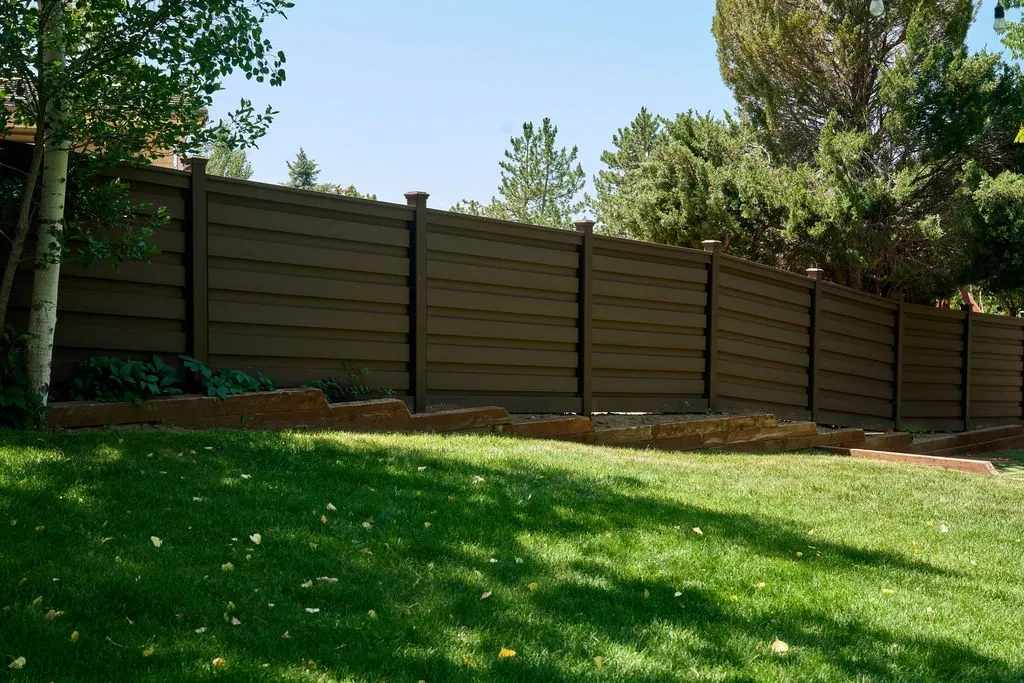
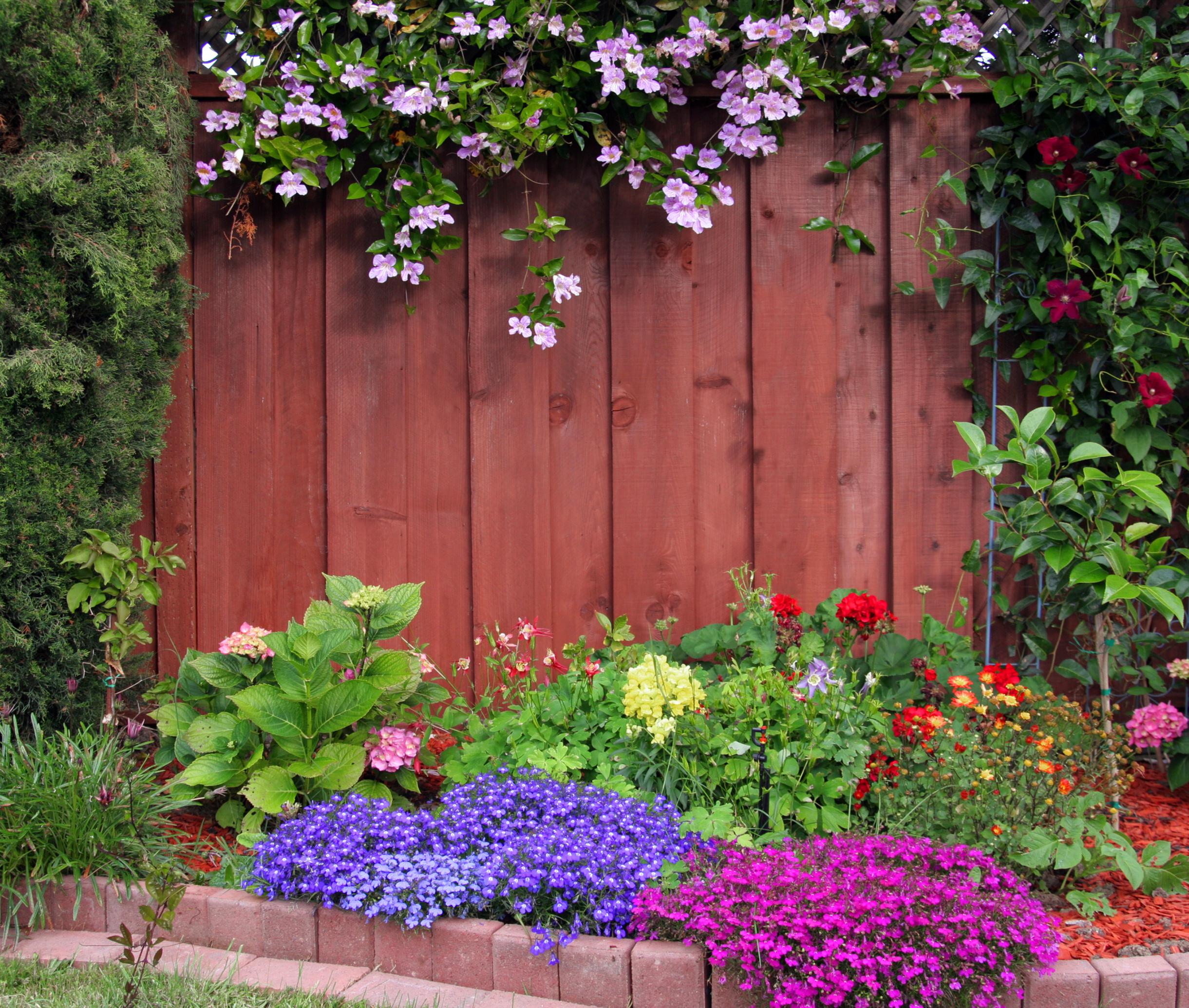
For many Danbury homeowners, installing a wood fence feels like a confident decision in spring or summer. The style looks right, the yard feels finished, and the craftsmanship appears solid. Yet after the first winter passes, opinions often change. Snow load, freeze thaw cycles, and prolonged moisture expose how wood fence installation decisions truly perform over time. Homeowners researching options on the Top Rail Fence Danbury page often realize that the fence they admired in warm weather behaves very differently once winter stress sets in.
Why Winter Becomes the Real Test for Wood Fencing
Cold seasons in Danbury reveal weaknesses that are easy to overlook during installation.
Moisture, Freezing, and Wood Movement
Winter introduces repeated freeze and thaw cycles. Moisture enters wood fibers, freezes, expands, and then releases as temperatures rise. This process exaggerates natural movement and quickly exposes whether the original wood fence installation allowed enough flexibility for seasonal changes.
Snow Accumulation and Structural Load
Snow resting against panels adds lateral pressure. Fences designed purely for appearance may not account for this added weight, which is why homeowners sometimes second guess their initial choice after one harsh winter.
The Fence Styles Most Often Questioned After Winter
Not all fences respond to winter the same way. Certain choices tend to raise concerns once cold weather passes.
Tightly Spaced Privacy Designs
Some different wood fence styles prioritize privacy with minimal spacing. While visually appealing, these designs can trap moisture and slow drying during winter. Homeowners often notice discoloration, minor warping, or uneven boards by early spring.
Decorative Picket Layouts
Traditional picket fences charm many neighborhoods, but winter exposes whether the picket fence materials were suited for cold climates. Thin boards may absorb moisture faster and show surface wear sooner if not properly sealed.
How Wood Selection Influences Winter Performance
The type of lumber matters more than many homeowners expect.
Understanding the Type of Wood Fences Available
Not all wood behaves the same in freezing conditions. Cedar naturally resists moisture, while pressure treated pine relies on chemical protection. Choosing the right type of wood fences helps reduce swelling and surface damage after winter exposure.
Grain Direction and Board Thickness
Boards with vertical grain tend to handle expansion better than flat grain boards. Thickness also plays a role. Thinner boards respond faster to moisture changes, which can accelerate visible wear during winter months.
Installation Choices That Matter More Than Style
Many regrets trace back to how the fence was installed, not how it looked.
Post Depth and Frost Lines
In Danbury, frost lines extend deeper than many homeowners expect. If posts are not set below the frost line, winter heaving can shift entire sections of fence. A professional wood fence installation accounts for soil conditions and frost depth from the start.
Allowing for Seasonal Expansion
Boards installed too tightly leave no room for winter expansion. As wood swells, pressure builds, leading to cracked boards or popped fasteners. Proper spacing minimizes this risk and keeps fences aligned through seasonal extremes.
Lessons Homeowners Learn After the First Winter
Once spring arrives, patterns become clear.
Maintenance Expectations Reset Quickly
Homeowners often realize that winter accelerates the maintenance timeline. Cleaning, resealing, and minor adjustments may be needed sooner than expected. This does not mean the fence failed, but it does change expectations.
Visual Changes Are Normal
Color shifts, subtle warping, and texture changes are common after winter. According to guidance from the USDA Forest Products Laboratory, these changes are natural responses to moisture and temperature variation, not signs of poor craftsmanship when properly managed.
Why Professional Planning Reduces Regret
Second guessing often stems from gaps in early planning.
Climate Informed Recommendations
Professionals familiar with Danbury conditions help homeowners choose different wood fence styles that balance aesthetics with winter performance. Homeowners working with Top Rail Fence Danbury frequently report fewer surprises after the first winter because installation decisions reflect local climate realities.
Matching Design to Long Term Use
Some homeowners want low visibility aging, while others accept patina as part of wood’s character. Aligning expectations with design reduces disappointment later. Reviewing options through wood fencing services helps clarify these tradeoffs before installation begins.
Reframing the Winter Experience
Instead of viewing winter changes as failure, many homeowners adjust how they think about wood.
Wood as a Responsive Material
Wood fences respond to their environment. Winter highlights this responsiveness more than any other season. Accepting movement and aging as part of ownership helps homeowners appreciate their fence rather than resent it.
Support Makes the Difference
Guidance does not end after installation. Top Rail Fence Danbury often supports homeowners with post winter inspections and maintenance advice, helping them address minor concerns before they become larger issues.
Final Thoughts for Danbury Homeowners
The fence choice homeowners second guess after the first winter is rarely about regret. It is about understanding what winter reveals. With informed wood fence installation, the right type of wood fences, and realistic expectations for picket fence materials and other styles, winter becomes a learning phase rather than a disappointment.
For homeowners planning ahead or reassessing their current fence, the next step is simple. Visit the Contact Us page to connect with local experts who understand Danbury winters and help ensure your wood fence performs confidently long after the first snowfall.