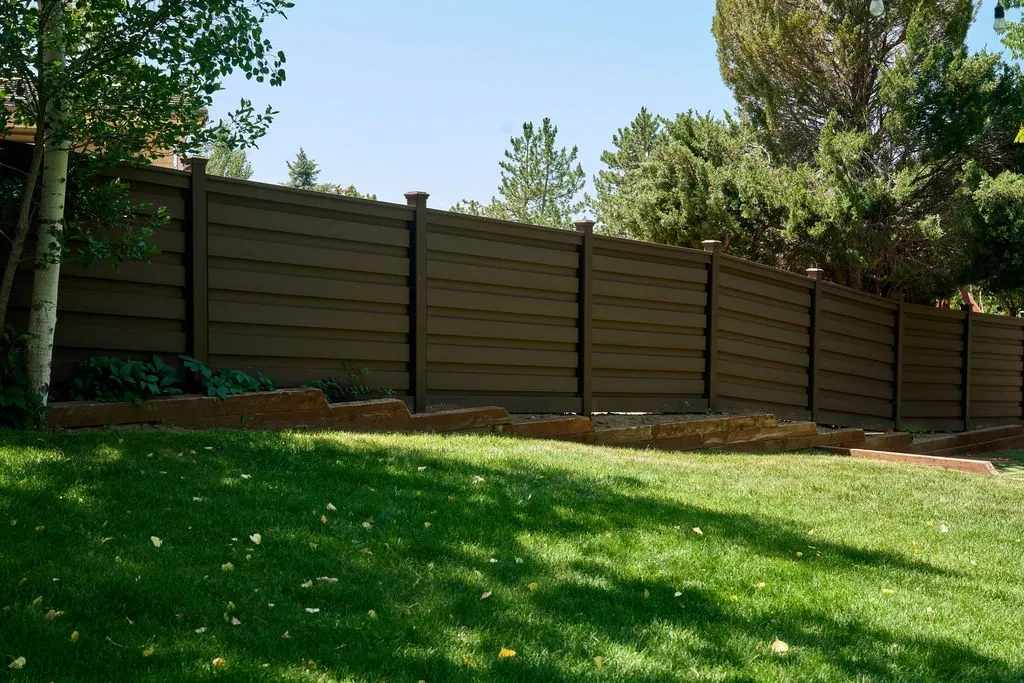
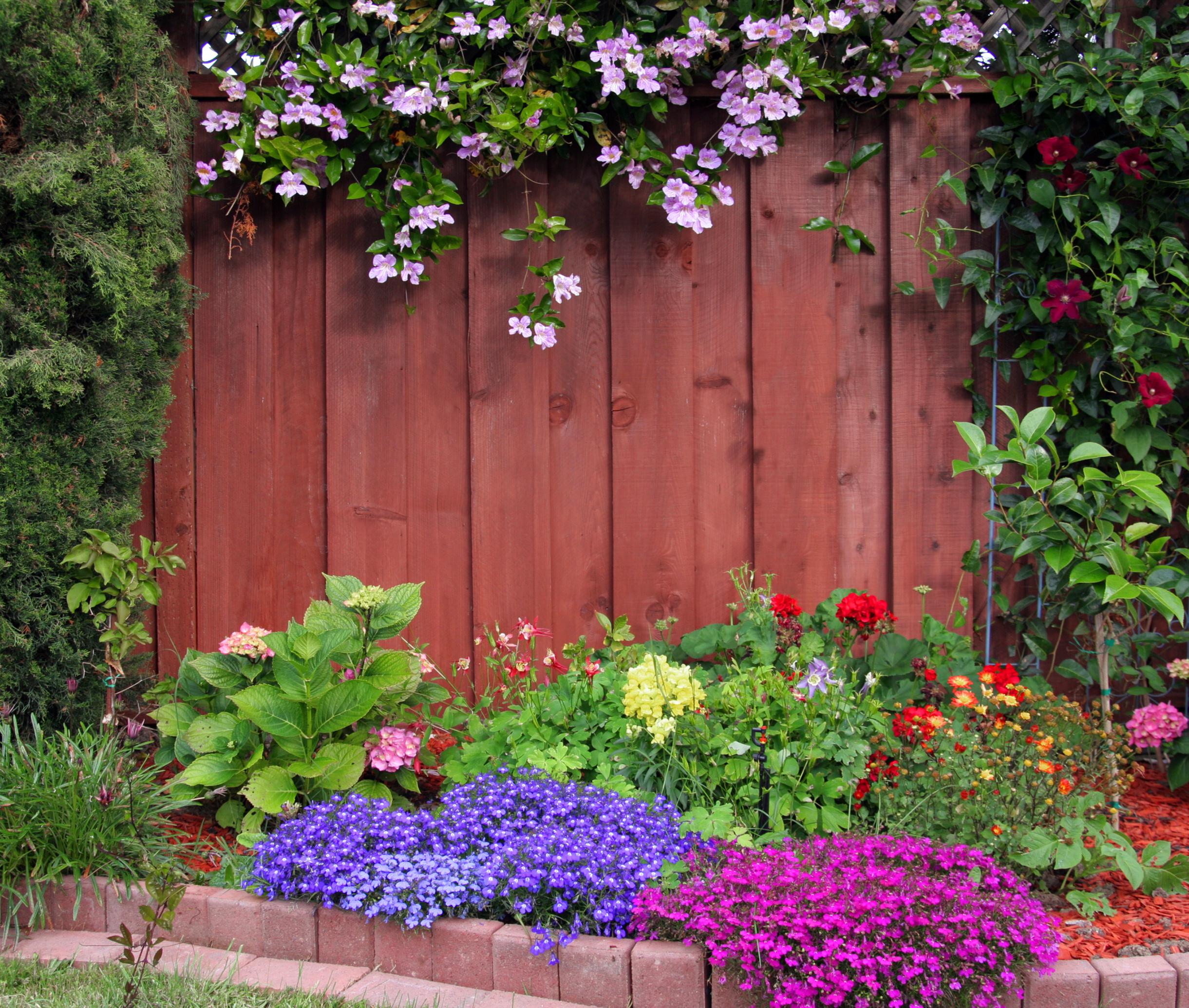
Outdoor living in Fort Collins has evolved beyond simple yards and property lines. Homeowners now view fencing as a functional extension of their lifestyle rather than a purely defensive structure. Modern fence design plays a major role in how outdoor areas are used, connected, and enjoyed throughout the year. This shift is redefining how properties look and how families interact with their outdoor environments.
Homeowners exploring updated fence design concepts often begin by reviewing local inspiration and expert guidance from providers such as Top Rail Fence Fort Collins, where design strategy is aligned with climate, architecture, and land use.
The Shift From Boundary Marker to Outdoor Feature
Traditional fences were designed primarily to mark boundaries or contain pets. Today, fence design focuses on shaping outdoor space. Homeowners are using fencing to frame patios, guide foot traffic, define garden zones, and create visual continuity between indoor and outdoor living areas.
Instead of isolating a yard, thoughtful fence design helps spaces flow together. Open picket layouts, mixed height panels, and transitional fence sections encourage movement while maintaining structure. This approach reflects how Fort Collins residents use outdoor spaces for entertaining, relaxation, and everyday living.
How Fence Design Influences Usability
The way a fence is designed directly impacts how usable an outdoor area feels. Taller fencing may provide privacy but limit airflow or visibility, while lower or semi open designs invite interaction without sacrificing definition.
Modern fence design balances enclosure with openness. Horizontal elements emphasize width, vertical spacing supports airflow, and material choices affect light reflection and temperature. These decisions allow homeowners to adapt their outdoor spaces for multiple uses throughout the day and across seasons.
Material Choices Are Driving Design Creativity
One of the biggest drivers of innovation in fence design is the expansion of available fence materials. Homeowners are no longer limited to basic wood or chain link options. Today’s materials allow for texture, contrast, and durability that were not possible in earlier decades.
Metal accents, composite panels, vinyl coatings, and mixed material installations allow fencing to complement modern architecture and natural surroundings. Selecting the right fence materials also reduces maintenance while improving longevity, especially in climates with temperature swings like Fort Collins.
According to research shared by the American Society of Landscape Architects, fencing that integrates durable materials with thoughtful design contributes to more functional and visually cohesive outdoor environments.
Fence Installation Is Becoming a Design Process
Rather than treating fence installation as a final step, homeowners now view it as part of the overall design phase. Placement, orientation, and height are determined alongside patios, walkways, and landscaping.
Professional fence installation ensures that design intent translates into real world performance. Poor placement can interrupt sightlines or limit space usage, while strategic installation enhances privacy, shade, and wind control. In neighborhoods across Fort Collins, fencing is being installed to support outdoor kitchens, fire pit zones, and shared gathering spaces.
Blending Fence Styles for Personalized Results
Rigid uniform fencing is being replaced by blended fence styles that adapt to different sections of a property. A solid fence may shield a private seating area, while a more open design lines a garden or front yard.
Mixing fence styles allows homeowners to respond to how each part of their yard is used. This layered approach to fence design adds depth and functionality without overwhelming the landscape. It also creates a sense of intentional flow from one outdoor zone to another.
Midway through the planning process, many homeowners review design options by exploring resources like custom fencing solutions, which demonstrate how style variation can enhance property layout without sacrificing cohesion.
Outdoor Living Trends Are Shaping Fence Design
As outdoor living spaces grow more sophisticated, fence design has adapted to support these trends. Home offices that open onto patios, outdoor dining areas, and multi use yards all benefit from fencing that supports flexibility.
Designs that allow partial visibility help maintain connection to surrounding spaces. Strategic spacing improves airflow during warmer months while still offering enclosure. These considerations make fencing a tool for comfort, not confinement.
The Role of Fence Design in Property Value
Beyond daily use, fence design also affects how properties are perceived by buyers. Well designed fencing enhances curb appeal and signals thoughtful property care. Poorly planned fencing can make spaces feel smaller or disjointed.
By investing in intentional fence design, homeowners create outdoor spaces that feel purposeful and inviting. This approach aligns with modern buyer expectations, especially in competitive markets like Fort Collins.
Working With Professionals Who Understand Design
Successful fencing outcomes depend on expertise that goes beyond installation alone. Top Rail Fence Fort Collins works with homeowners to align design goals with material performance and long term usability. Their experience ensures fencing supports both lifestyle and property structure.
When homeowners collaborate with professionals who understand evolving fence design principles, they gain more than a boundary. They gain an outdoor environment that works as an extension of the home.
If you are considering how fencing could improve your outdoor space, reach out to Top Rail Fence Fort Collins through the Contact Us page to discuss design options tailored to your property and vision.