Planning a fence installation in Fort Collins can feel overwhelming, especially with varying soil conditions, local codes, and style options to consider. Whether you’re a homeowner upgrading for privacy or security, or a property owner looking for a functional boundary, the process can go smoothly with the right preparation and professional help. This guide breaks down every step to ensure a flawless residential fence installation from start to finish.
Understanding Local Needs Before Installation
The Fort Collins climate features dry summers and cold, snowy winters, which can affect how long your fence lasts. Materials react differently to weather patterns, and local soil type plays a key role in how deeply fence posts should be set. Consulting experts from Top Rail Fence Fort Collins ensures your project complies with city regulations and uses materials suited to Northern Colorado’s unique conditions.
You can also explore professional guidance on fence project planning from Angi’s Fence Installation Guide, which provides tips on costs, materials, and timing.
Step 1: Assess Your Property and Purpose
Before diving into fence installation, define your goals. Are you seeking privacy, pet safety, or enhanced curb appeal? Each objective determines the design and height of your fence.
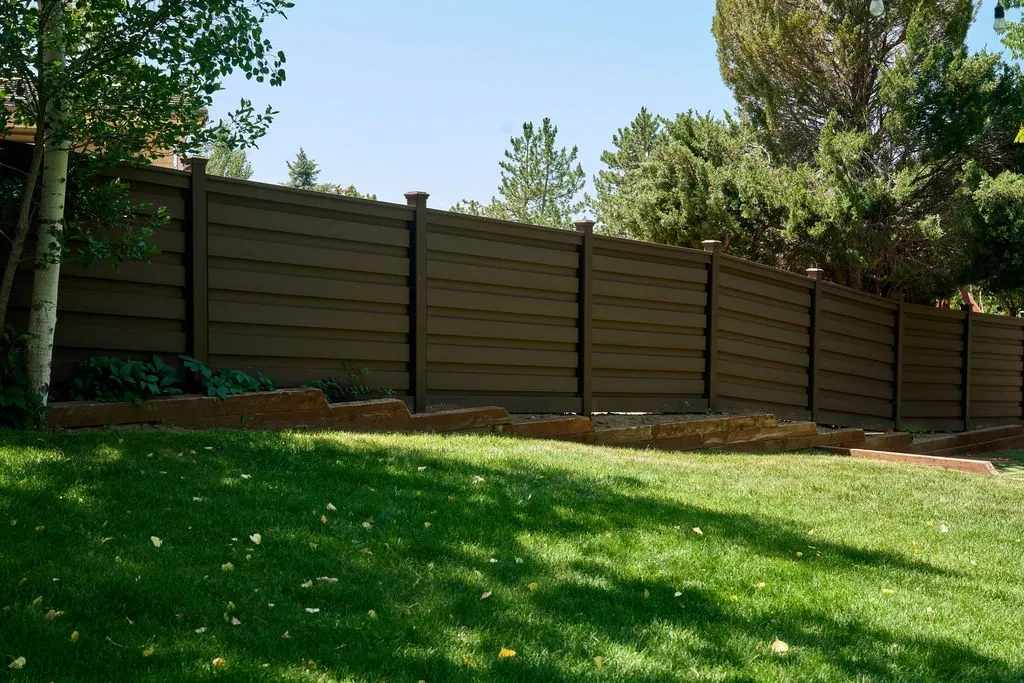
- For privacy, solid panels or privacy fence installation options work best.
- For aesthetic appeal, decorative vinyl or wood fences offer versatility.
- For durability, consider metal or composite materials that withstand seasonal changes.
During your assessment, identify potential obstacles like uneven ground, large tree roots, or existing structures that could affect the layout. Professionals from Top Rail Fence Fort Collins can help evaluate your property and provide tailored recommendations.
Step 2: Select the Right Fence Material
Choosing the right material sets the tone for both function and longevity. Fence services today include a wide variety of options, and each comes with unique pros and cons.
Wood Fencing
Wood remains a classic choice for residential fence installation thanks to its natural beauty and customizability. However, it requires regular sealing to resist moisture and UV exposure.
Vinyl and PVC
Vinyl fencing resists weathering and is low maintenance, ideal for homeowners who want durability without frequent upkeep.
Aluminum and Steel
Metal fences are perfect for homeowners prioritizing security and long-term resilience. They’re less prone to warping or cracking during Fort Collins winters.
If you’d like to explore material options in more detail, visit the Fence Materials page for more insight into what works best in your area.
Step 3: Plan the Layout and Mark Boundaries
A precise layout prevents costly mistakes during installation. Use string lines or stakes to mark your property boundaries and desired fence path. It’s also crucial to verify that the placement aligns with local zoning regulations.
In Fort Collins, fences over a certain height may require a permit, and setback rules dictate how close you can build to your property line. Your fence installation contractor will handle this as part of their fence services, ensuring your design is compliant and practical.
Step 4: Schedule Your Installation
Timing matters when planning a fence installation. Spring and early fall often offer ideal conditions, but installation is possible year-round with the right preparation.
- Avoid heavy rain or frozen ground when possible.
- Plan ahead, as Top Rail Fence Fort Collins’ schedules fill quickly during peak months.
- Communicate clearly with your contractor about your timeline, budget, and expectations.
For a smooth project experience or to request an estimate, contact us through the Contact Us page.
Step 5: Post-Installation Maintenance
Once your fence is installed, keeping it in prime condition ensures lasting performance and beauty. Regular maintenance prevents wear from Colorado’s weather swings.
Regular Inspections
Check for loose posts, cracks, or rust every few months. Early detection saves on costly repairs later.
Cleaning and Sealing
Wood fences should be sealed every one to two years, while vinyl and aluminum fences can simply be washed with mild soap and water.
Landscaping Tips
Trim vegetation around your fence to prevent moisture buildup and pest damage. Maintaining airflow helps wood and metal fences dry faster after rain or snow.
To learn more about long-term care, see the Fence Maintenance resource on our site.
Common Mistakes to Avoid
Even the best materials can fail if installation or planning is mishandled. Here are key pitfalls to watch for:
- Ignoring property lines – Always verify boundaries to avoid neighbor disputes.
- Using untreated wood – It will warp or rot faster in Fort Collins’ fluctuating weather.
- Skipping professional installation – While DIY may seem cost-effective, expert fence services ensure precision and long-term strength.
- Poor drainage planning – Standing water weakens foundations and causes wood decay.
Final Thoughts
A well-planned fence installation enhances property value, privacy, and safety. By assessing your site, selecting proper materials, and partnering with professionals, you’ll enjoy a fence that’s both durable and visually appealing.
Whether you’re seeking residential fence installation or privacy fence installation, trust Top Rail Fence Fort Collins for expert craftsmanship and seamless project execution tailored to your local environment. From start to finish, your property deserves the best, strong fences, honest advice, and reliable service.