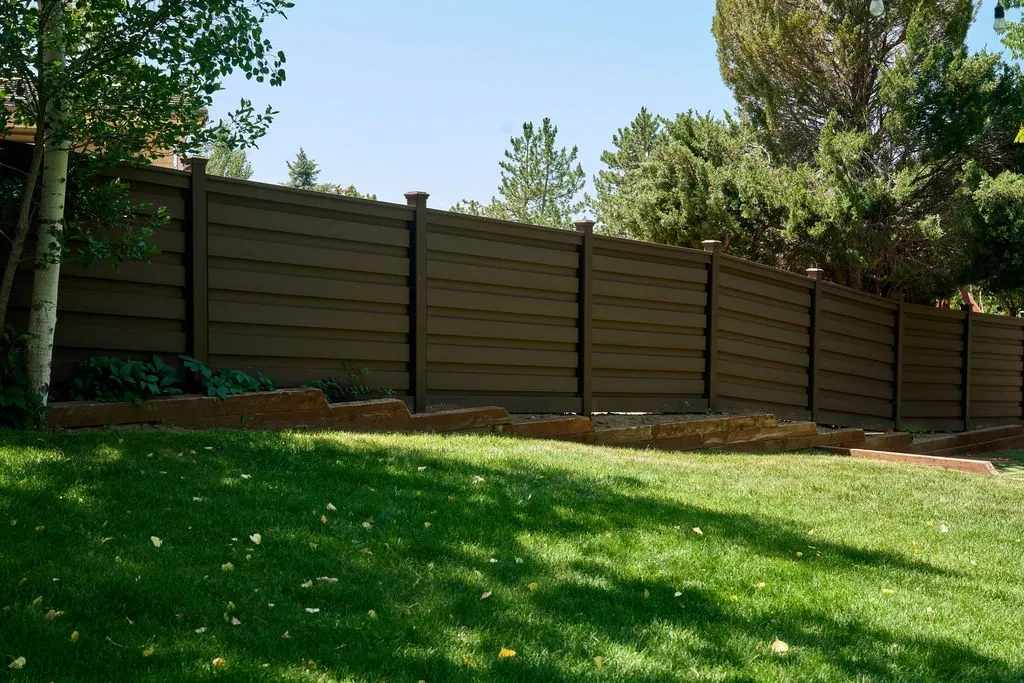
Homeowners often focus on style and material when planning residential fencing, but one of the most influential factors is easy to overlook: the shape of the lot itself. In Fort Collins, properties range from clean rectangular parcels to irregular corner lots, flag lots, and sloped subdivisions. Each shape changes how a fence performs over time. Before starting any project, many homeowners explore residential fencing options in Fort Collins to understand how lot geometry affects long-term results.
Why Lot Shape Matters More Than Most Homeowners Realize
Straight Lots vs Irregular Boundaries
A standard rectangular lot allows residential fencing to be installed with consistent post spacing and predictable alignment. Irregular lots introduce angles, jogs, and transitions that require careful layout. Without proper planning, these areas can become weak points, even with professional residential fence installation.
Corner Lots and Visibility Requirements
Corner properties face additional challenges. Local visibility rules often limit fence height near intersections, which affects privacy goals. Thoughtful privacy fence installation must balance zoning compliance with functional enclosure.
How Lot Geometry Influences Fence Performance
Angled Runs and Structural Stress
Every angle in a fence run introduces tension. Over time, wind, soil movement, and temperature shifts affect these sections differently. Well-designed residential fencing accounts for these stress points with reinforced posts and adjusted spacing.
Slopes and Grade Changes
Sloped lots require stepped or racked fence designs. Choosing the right fencing materials ensures panels maintain strength while adapting to elevation changes. Poor material selection can lead to gaps, sagging, or premature wear.
Material Selection Based on Lot Shape
Wood and Custom Fit Challenges
Wood adapts well to irregular lots, but it requires precise cutting and ongoing maintenance. For uneven parcels, wood-based residential fencing often benefits from professional customization during residential fence installation.
Vinyl and Consistency Advantages
Vinyl performs best on uniform runs but can still succeed on complex lots when installed correctly. Modern fencing materials offer adjustable panels that maintain visual consistency while handling minor grade changes.
Midway through planning, homeowners often review residential fence installation approaches that are tailored to complex lot layouts.
Privacy Goals and Lot Shape Compatibility
Narrow Lots and Side Yard Exposure
Homes on narrow lots often prioritize privacy fence installation alongside yards. Lot shape determines whether full-height fencing is feasible or if staggered designs are needed to meet setback rules.
Rear Lot Depth and Enclosure Strategy
Deep backyards allow for layered residential fencing solutions, such as combining perimeter fencing with interior garden or pet enclosures. This approach maximizes usability without overwhelming the space.
Drainage and Soil Behavior Across the Lot
Low Points and Moisture Retention
Lots with uneven grading collect water in specific areas. These zones affect post stability and material longevity. Selecting moisture-resistant fencing materials is critical for fence success on such properties.
Soil Compaction Variations
Soil density often varies a lot, especially in newer Fort Collins developments. Professional residential fence installation adapts footing depth and anchoring methods to match these variations.
Local Planning and Lot Constraints
Setbacks and Easements
Lot shape determines where fences can legally be placed. Easements, utility corridors, and drainage paths all influence fence layout. Ignoring these factors can compromise even the best residential fencing design.
HOA and Neighborhood Standards
Some neighborhoods regulate fence placement based on lot orientation. Understanding these standards early helps align privacy fence installation goals with approval requirements.
Guidance from the American Planning Association explains how residential lot design influences boundary features and long-term property usability in suburban communities, reinforcing why layout-aware fencing matters.
Planning for Long-Term Fence Success
Designing With Future Use in Mind
Lot shape affects how spaces are used over time. Play areas, gardens, and patios may shift. Flexible residential fencing layouts accommodate these changes without requiring full replacement.
Maintenance Access and Repair Zones
Irregular lots can make certain fence sections harder to access. Strategic design during residential fence installation ensures maintenance and repairs remain manageable.
This level of foresight is why many homeowners trust Top Rail Fence Fort Collins to evaluate lot-specific challenges before installation begins.
Choosing the Right Partner for Your Lot Type
Experience With Non-Standard Properties
Not all fencing contractors understand how lot shape affects performance. Experienced installers adapt fencing materials, layouts, and installation techniques to suit each property’s geometry.
Local Knowledge Matters
Understanding Fort Collins zoning, soil behavior, and neighborhood layouts helps prevent costly mistakes. Top Rail Fence Fort Collins brings this local insight to every project.
Final Thoughts on Lot Shape and Residential Fencing
A successful fence starts with understanding the land it surrounds. Lot shape quietly influences durability, appearance, and long-term satisfaction with residential fencing. By aligning residential fence installation, privacy fence installation, and fencing materials with the realities of your property, you create a fence that truly works. To discuss a layout-specific fencing plan, connect with Top Rail Fence Fort Collins through the Contact Us page and get guidance tailored to your lot.