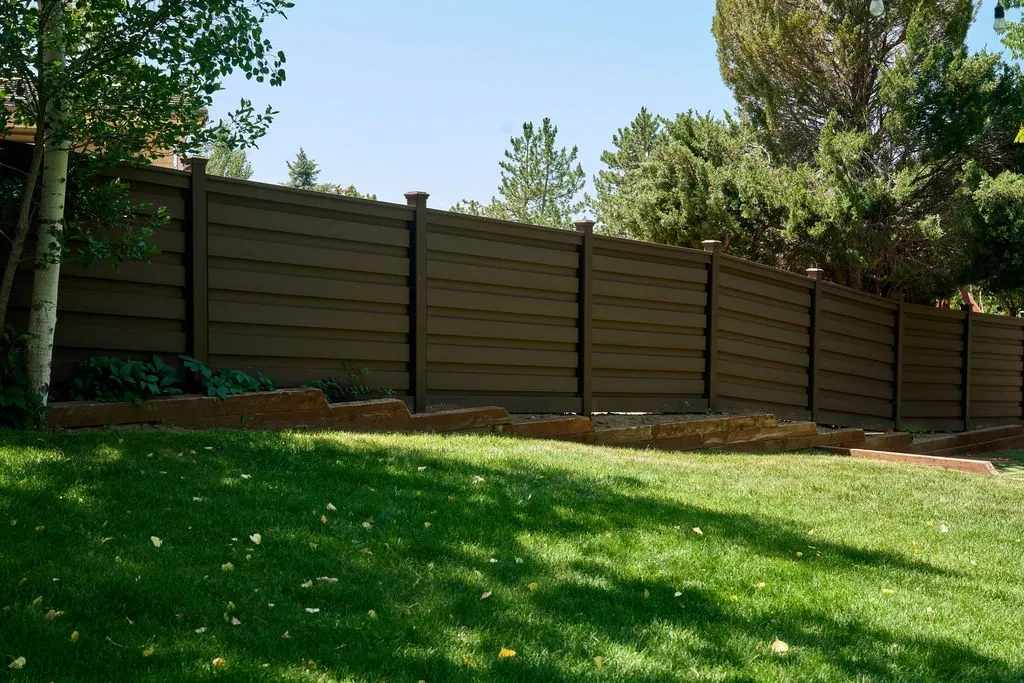
In Fort Collins, sudden Chinook winds can transform a calm afternoon into hours of powerful gusts. These warm, dry winds are known for rapid temperature shifts and strong pressure changes that place stress on outdoor structures. For homeowners with wood fencing, the effects often become visible soon after a wind event passes. Slight leaning, loose boards, or subtle gaps may appear where everything once looked perfectly aligned. Many residents begin evaluating reinforcement options through Top Rail Fence Fort Collins to ensure their fencing is prepared for future wind cycles.
While wood fencing remains one of the most popular boundary choices in Fort Collins, Chinook winds highlight why proper planning and professional installation are essential. Understanding how wind interacts with materials helps homeowners protect their investment and maintain long-term stability.
How Chinook Winds Impact Wood Fencing Structures
Chinook winds are unique to Colorado’s Front Range. They bring rapid warming and strong gusts that can exceed typical seasonal wind speeds.
Pressure Changes and Panel Movement
When high winds push against a solid fence surface, pressure builds along the panels. A full privacy fence design offers seclusion but can also act like a wind sail if not properly reinforced. Over time, repeated gusts may cause minor shifts in posts or rails.
Quality wood fence installation reduces these risks by setting posts at appropriate depths and using reinforced hardware. Without correct anchoring, even sturdy wood fencing may gradually lean or separate at connection points.
Soil Conditions After Rapid Thaws
Chinook winds often follow cold snaps, creating quick snowmelt. Saturated soil combined with wind pressure can weaken post stability. This is one reason professional wood fence installation in Fort Collins accounts for both frost depth and drainage considerations.
Structural Adjustments That Improve Wind Resistance
Homeowners who notice small adjustments after a wind event often explore ways to strengthen their fence without sacrificing style.
Reinforced Post Depth
Increasing post depth and using high-quality concrete footings significantly improves stability. Experienced teams like Top Rail Fence Fort Collins evaluate soil type and wind exposure before completing a wood fence installation, helping minimize long-term shifting.
Strategic Panel Spacing
Although many homeowners prefer a tight privacy fence, slight spacing adjustments can reduce wind resistance while maintaining seclusion. Some modern wood fence styles incorporate subtle airflow gaps that decrease pressure during heavy gusts.
Choosing the Right Wood Fence Styles for Fort Collins
Not all fence designs respond to wind the same way. Selecting appropriate wood fence styles can influence durability and appearance.
Shadowbox Designs for Balanced Airflow
Shadowbox fencing alternates pickets on both sides of the rails. This design maintains privacy while allowing some air to pass through. In Fort Collins, shadowbox layouts are often chosen to reduce wind strain on wood fencing without compromising aesthetics.
Board-on-Board Privacy Fence Options
A board-on-board privacy fence provides maximum coverage and visual separation. When reinforced with strong posts and quality fasteners, this style performs well even during Chinook conditions. Professional wood fence installation ensures panels are aligned and securely fastened to withstand sudden gusts.
Homeowners exploring different wood fencing options often compare airflow-friendly designs with fully enclosed layouts before making a final decision.
Maintenance Steps After Strong Wind Events
Routine inspection after major wind activity helps preserve the integrity of wood fencing.
Checking Post Alignment
A slight lean may not seem urgent, but early correction prevents larger structural problems. Addressing small shifts promptly extends the life of a privacy fence and protects surrounding landscaping.
Securing Loose Boards and Rails
Wind vibration can loosen nails or screws over time. Reinforcing connections and replacing worn hardware keeps wood fence styles looking uniform and structurally sound.
According to research from the National Institute of Building Sciences on wind-resistant construction practices, proper anchoring and routine inspections are critical in regions exposed to recurring wind events. Applying these principles to wood fence installation helps homeowners prepare for future Chinook seasons.
Planning for Long-Term Stability in Fort Collins
Wind patterns in Fort Collins are not isolated incidents. They are part of the region’s climate cycle. Choosing durable materials and working with knowledgeable installers ensures your wood fencing adapts to these recurring conditions.
Material Selection and Treatment
Cedar and pressure-treated lumber are common choices for wood fencing because they resist decay and maintain structural strength. Proper sealing and staining further protect against moisture fluctuations that often accompany Chinook winds.
Professional Installation Matters
A carefully executed wood fence installation addresses post spacing, rail attachment, and grading adjustments. By accounting for wind direction and property layout, experienced installers reduce strain on the structure.
Homeowners who partner with Top Rail Fence Fort Collins often find that thoughtful planning minimizes the need for repeated adjustments. Professional insight ensures each privacy fence or decorative design is prepared for Colorado’s unpredictable weather patterns.
Preserving Appearance and Performance
Beyond structural stability, maintaining the appearance of wood fencing is important for curb appeal. Wind-blown debris can cause surface wear, so cleaning and resealing after severe weather protects both aesthetics and longevity.
In neighborhoods throughout Fort Collins, well-maintained wood fence styles contribute to a cohesive and attractive streetscape. Strong fences not only define property lines but also enhance outdoor living spaces.
Bringing Strength and Style Together
Chinook winds may be unavoidable in Fort Collins, but their impact on wood fencing can be managed with proper preparation. From selecting resilient wood fence styles to ensuring expert wood fence installation, every decision contributes to lasting performance.
If you have noticed changes in your privacy fence after recent winds or are planning a new wood fencing project, Top Rail Fence Fort Collins offers tailored solutions designed for Colorado’s climate. Their experience with reinforced installations and durable materials helps homeowners protect their investment season after season.
To discuss your project and explore options suited to your property, visit the Contact Us page and connect with the team at Top Rail Fence Fort Collins to build a fence prepared for the next Chinook wind cycle.