In Fort Collins, water management is a careful balance. While the region is known for its dry climate and abundant sunshine, many homeowners rely on backyard irrigation systems to maintain green lawns and thriving landscapes. That combination of dry air and concentrated ground moisture creates a unique dynamic for wood fence installation. It is not uncommon for one section of a fence to remain dry and sun-exposed while the lower boards near sprinklers absorb repeated moisture.
Homeowners planning climate-aware upgrades often consult Top Rail Fence Fort Collins to ensure their fencing is designed to perform well under these conditions. A thoughtful wood fence installation accounts for irrigation patterns just as much as it considers soil and weather exposure.
How Irrigation Patterns Affect Wood Fencing
Sprinkler systems are essential for landscaping in Fort Collins, but when the spray consistently reaches fence panels, it changes how the wood responds over time.
Repeated Moisture at the Base
When irrigation heads are positioned too close to the fence line, water can strike the same area daily. Even in a dry climate, that steady exposure increases moisture absorption along the bottom edge of wood fencing. Over time, boards may darken unevenly or show signs of early wear compared to upper sections that stay dry.
A professional wood fence installation considers sprinkler placement and may recommend adjusting irrigation heads to reduce direct spray. Creating a small buffer zone between landscaping and fencing also helps maintain consistent moisture levels.
Contrast Between Dry Air and Damp Soil
The dry air in Fort Collins pulls moisture from exposed wood surfaces quickly. At the same time, irrigation keeps the ground damp beneath the fence. This contrast can lead to expansion and contraction cycles that affect alignment. Selecting durable lumber and spacing boards appropriately during wood fence installation minimizes stress caused by these fluctuations.
Selecting Fence Styles That Handle Irrigation Exposure
Not all fence styles respond equally to repeated exposure to moisture. Design plays an important role in durability.
Picket Fence Layouts for Airflow
A classic picket fence allows more airflow around each board. This helps water evaporate faster after irrigation cycles. In residential areas of Fort Collins, a picket fence provides charm while reducing the amount of surface area exposed to direct spray.
Because airflow moves freely between boards, drying occurs more evenly, which supports the long-term performance of wood fencing.
Privacy Fence Designs With Ground Clearance
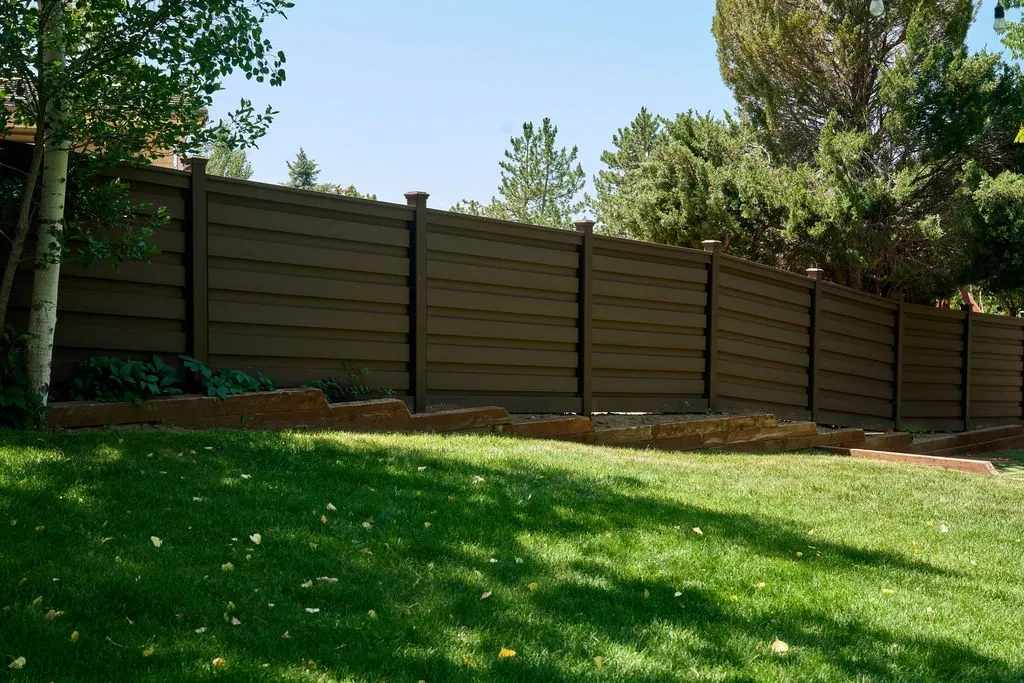
Solid panel fences are popular for backyard privacy, but proper installation is key. A high-quality wood fence installation ensures a slight clearance between the bottom of the boards and the soil. This prevents constant ground contact, allowing moisture to dissipate naturally.
Homeowners reviewing various wood fencing options often compare fence styles based on how well they manage water exposure in irrigated yards.
Installation Techniques That Protect Against Moisture Imbalance
Careful planning during wood fence installation reduces the impact of irrigation systems on fence longevity.
Post Depth and Drainage Considerations
Properly set posts are essential. In Fort Collins, soil composition and drainage patterns vary across neighborhoods. A secure wood fence installation includes reinforced footings and grading adjustments that prevent water pooling near posts.
When drainage is addressed early, homeowners are less likely to experience shifting or leaning caused by uneven soil moisture.
Sealing and Protective Treatments
Applying high-quality sealant during and after wood fence installation protects boards from repeated water exposure. Routine sealing supports consistent color and structural stability across all fence styles, whether decorative or fully enclosed.
Guidance from the Forest Products Laboratory emphasizes that managing moisture exposure is one of the most effective ways to extend the life of exterior wood structures. Applying these best practices to wood fence installation ensures that irrigation does not compromise performance.
Long-Term Maintenance in Irrigated Landscapes
Even a well-planned installation benefits from regular inspection.
Monitoring Sprinkler Alignment
Over time, sprinkler heads may shift or tilt. Checking alignment ensures water does not continuously hit the same section of wood fencing. Small adjustments prevent uneven wear and preserve appearance.
Seasonal Inspections
In Fort Collins, seasonal temperature changes combined with irrigation use can influence wood movement. Inspecting boards and rails each spring helps identify early signs of stress. Whether the property features a traditional picket fence or modern horizontal panels, consistent oversight protects your investment.
Balancing Landscaping and Fence Performance
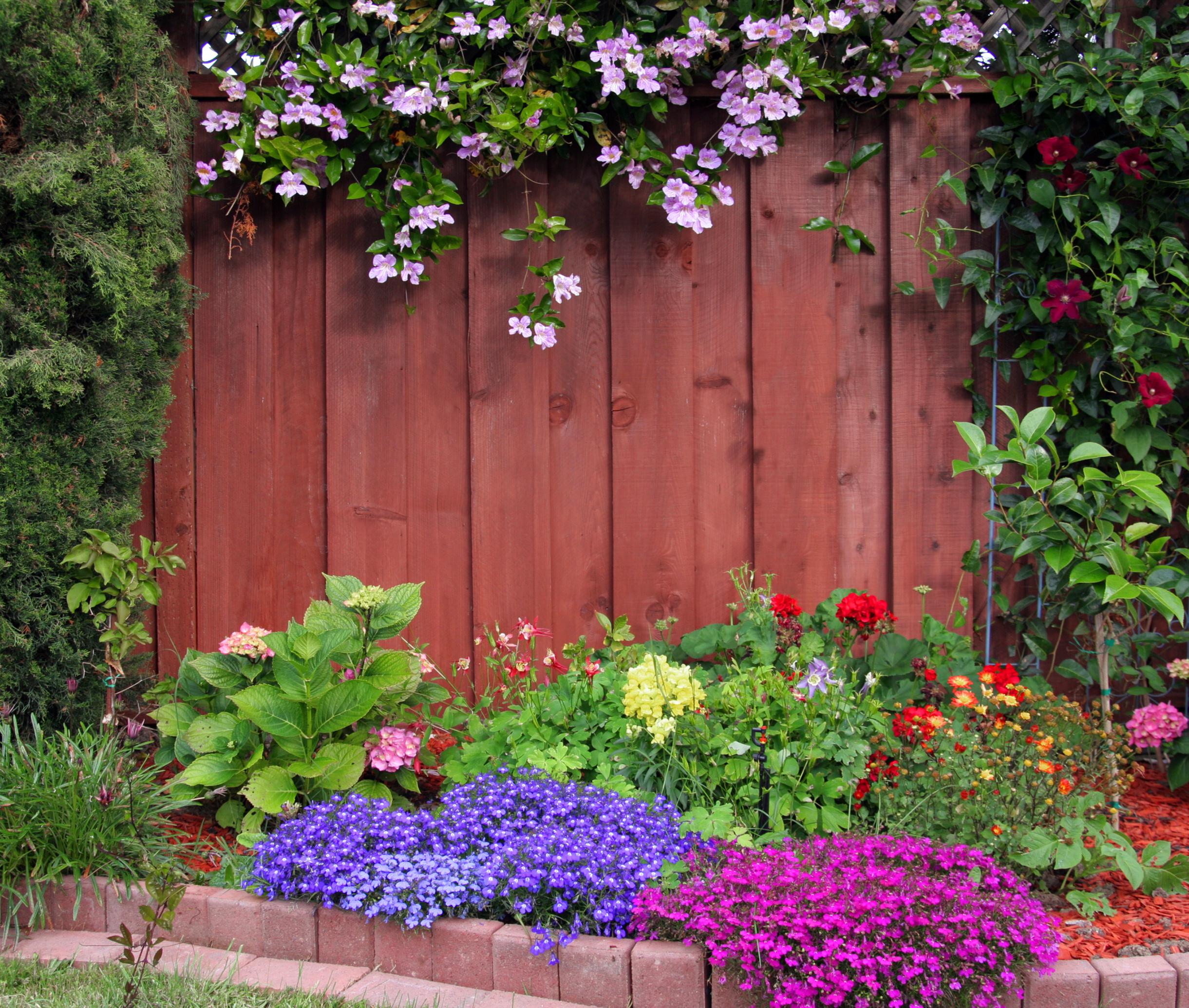
A thriving lawn enhances curb appeal, but thoughtful placement matters. Leaving a few inches of space between shrubs and wood fencing improves airflow and reduces trapped moisture. Gravel borders or decorative stone can also limit direct soil contact along the fence line.
When homeowners partner with Top Rail Fence Fort Collins, irrigation layout is considered during the planning phase. This ensures that wood fence installation aligns with both landscaping goals and long-term durability.
Building for Colorado’s Dry Yet Irrigated Climate
The combination of dry air and concentrated sprinkler moisture is unique to Fort Collins. A carefully executed wood fence installation bridges that gap by accounting for airflow, drainage, and protective finishes. Choosing the right fence styles and materials helps prevent uneven fading, swelling, or warping over time.
Whether you prefer the timeless look of a picket fence or a more enclosed backyard design, professional planning makes the difference. Top Rail Fence Fort Collins brings local expertise to every wood fence installation, helping homeowners adapt their fencing to irrigation patterns without sacrificing style.
If you are preparing for a new project or evaluating your current wood fencing, the team at Top Rail Fence Fort Collins can guide you through options tailored to your property. To begin planning a fence built for Colorado’s dry climate and active irrigation systems, visit the Contact Us page and connect with the experts today.