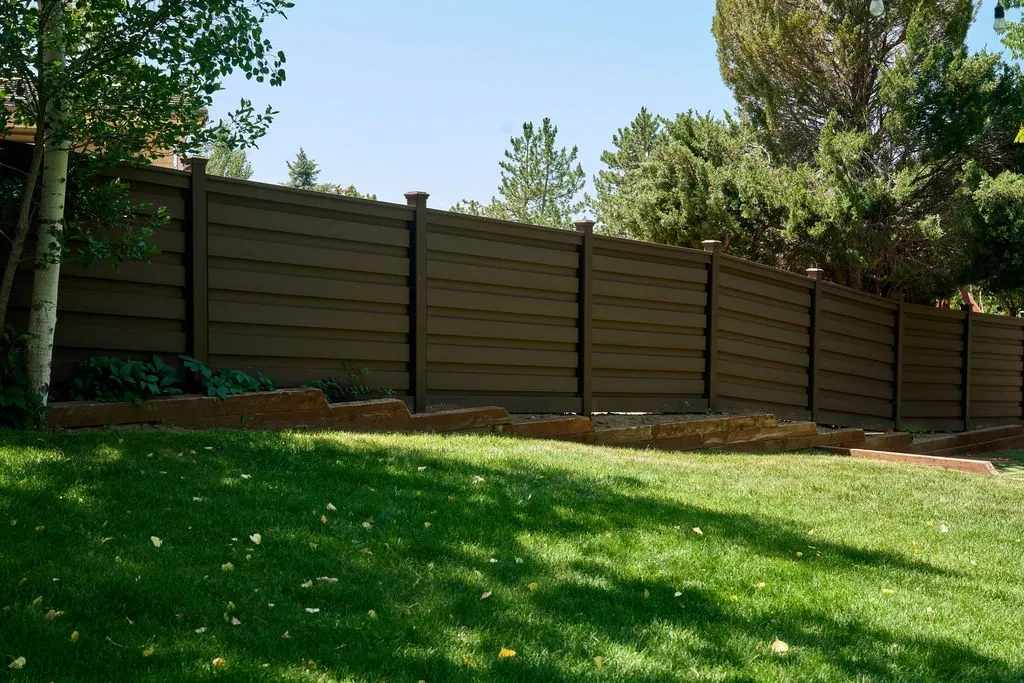
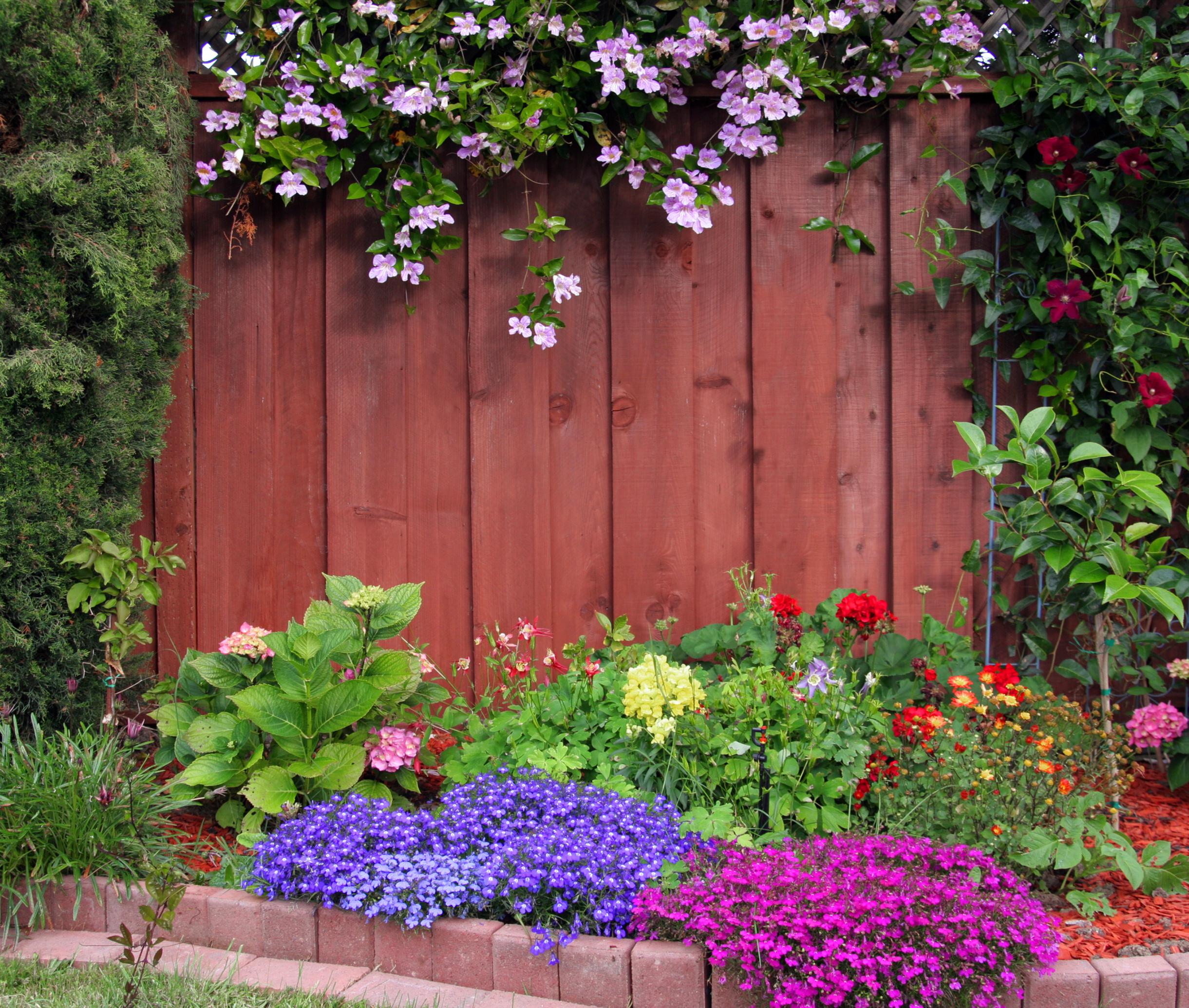
In Fort Collins, it is common for one side of a yard to face intense foothills sun while the other collects lingering snow drifts well into late winter. This uneven exposure creates a unique challenge for homeowners investing in wood fence installation. The same fence line can experience expansion, contraction, moisture absorption, and drying cycles all at once. Many residents begin planning climate-conscious upgrades by consulting Top Rail Fence Fort Collins to ensure their fencing is built for these regional contrasts.
Unlike more temperate climates, Fort Collins presents dramatic seasonal swings. Bright sunlight on one side of a fence can dry out fence boards, while shaded sections remain damp from melting snow. A thoughtful wood fence installation accounts for this environmental imbalance from the start.
The Impact of Uneven Sun and Snow Exposure
When a fence faces different weather conditions along its length, the materials respond accordingly.
Sun-Exposed Fence Boards
Direct sunlight accelerates moisture evaporation from fence boards. Over time, this can cause slight shrinkage or surface cracking if the wood is not properly sealed. In south or west-facing yards, UV exposure may also fade stain color faster on one side of the structure.
Professional wood fence installation includes selecting lumber suited for Colorado’s dry air and applying protective finishes that minimize UV damage. Regular wood fence maintenance also helps preserve consistency in color and texture across the fence line.
Snow Drift and Prolonged Moisture
On the shaded side of a property, snow can collect and melt gradually. Prolonged moisture exposure allows wood to absorb water, leading to swelling or minor warping. While high-quality wood fencing is designed to tolerate seasonal moisture, uneven saturation can create subtle variations between sections.
Ensuring proper drainage during wood fence installation reduces the likelihood of standing water around posts and baseboards. Adequate ground clearance beneath fence boards further prevents moisture buildup.
Material Selection Matters in Fort Collins
Choosing the right wood species is critical when facing contrasting sun and snow conditions.
Cedar and Pressure-Treated Options
Cedar is commonly selected for wood fencing because of its natural resistance to decay and insects. Pressure-treated lumber also performs well when properly sealed. Both materials can handle fluctuating moisture levels when installed correctly.
A carefully executed wood fence installation considers not only material type but also board spacing. Allowing slight natural expansion gaps helps prevent buckling when snowmelt increases the moisture content.
Board Thickness and Structural Support
Thicker fence boards may resist warping better than thinner alternatives. Reinforced rails and properly anchored posts also improve stability. Experienced installers like Top Rail Fence Fort Collins assess sun patterns and snow accumulation zones before completing a wood fence installation.
Homeowners exploring different wood fencing options often compare board dimensions and reinforcement strategies to ensure long-term durability.
Seasonal Expansion and Contraction Cycles
Wood naturally expands when wet and contracts as it dries. In Fort Collins, this cycle can happen rapidly due to shifting weather patterns.
Temperature Swings in the Foothills
Foothills sunlight may warm one side of a fence significantly more than the shaded side. This temperature difference can create minor tension along rails and posts. A precise wood fence installation balances spacing and fastening techniques to accommodate these movements.
Importance of Flexible Fasteners
Using high-quality screws instead of basic nails allows fence boards to shift slightly without splitting. This detail is often overlooked in DIY projects, but it is standard practice for professional wood fencing installation teams.
Ongoing Wood Fence Maintenance for Balanced Performance
Even the most carefully installed fence benefits from consistent care.
Sealing and Staining Schedules
Applying stain or sealant every few years protects against both UV exposure and moisture absorption. Sections facing strong sun may require more frequent touch-ups. Effective wood fence maintenance ensures color consistency and structural protection throughout the entire fence line.
Inspecting After Winter
After heavy snowfall, checking posts and lower fence boards for signs of water pooling is essential. Prompt adjustments help prevent long-term issues. Guidance from the Forest Products Laboratory on wood durability highlights how moisture management plays a key role in extending service life.
Applying these insights during wood fence installation and ongoing wood fence maintenance allows homeowners in Fort Collins to maximize longevity.
Planning for Property Orientation
Each yard in Fort Collins has its own microclimate. Sloped lots near the foothills may experience heavier snow drift on one side, while open properties receive uninterrupted sunlight.
Adjusting Installation Techniques
Professional wood fence installation accounts for wind patterns, slope direction, and sun exposure. Posts may be set deeper in areas prone to snow accumulation, while sealant selection may vary based on UV intensity.
Working with Top Rail Fence Fort Collins ensures that every wood fencing project reflects these site-specific considerations.
Preserving Curb Appeal Year-Round
Beyond structural performance, appearance matters. Uneven fading or warping can disrupt the clean lines homeowners expect from quality wood fencing. Routine wood fence maintenance keeps both sun-exposed and snow-shaded sections visually cohesive.
In neighborhoods across Fort Collins, a well-maintained fence enhances outdoor living spaces and strengthens property value. Balanced design and careful installation allow fences to remain attractive despite dramatic seasonal contrasts.
Building for Colorado’s Unique Climate
Foothills sun on one side and snow drift on the other is simply part of life in Fort Collins. With thoughtful planning, durable materials, and expert craftsmanship, a wood fence installation can adapt to these changing conditions without losing strength or style.
If you are considering a new wood fencing project or want to improve your current wood fence maintenance routine, Top Rail Fence Fort Collins offers guidance tailored to Colorado’s environment. Their experience with climate-responsive wood fence installation ensures that every board is positioned for long-term performance.
To start planning a fence designed for sun and snow alike, visit the Contact Us page and connect with Top Rail Fence Fort Collins today.