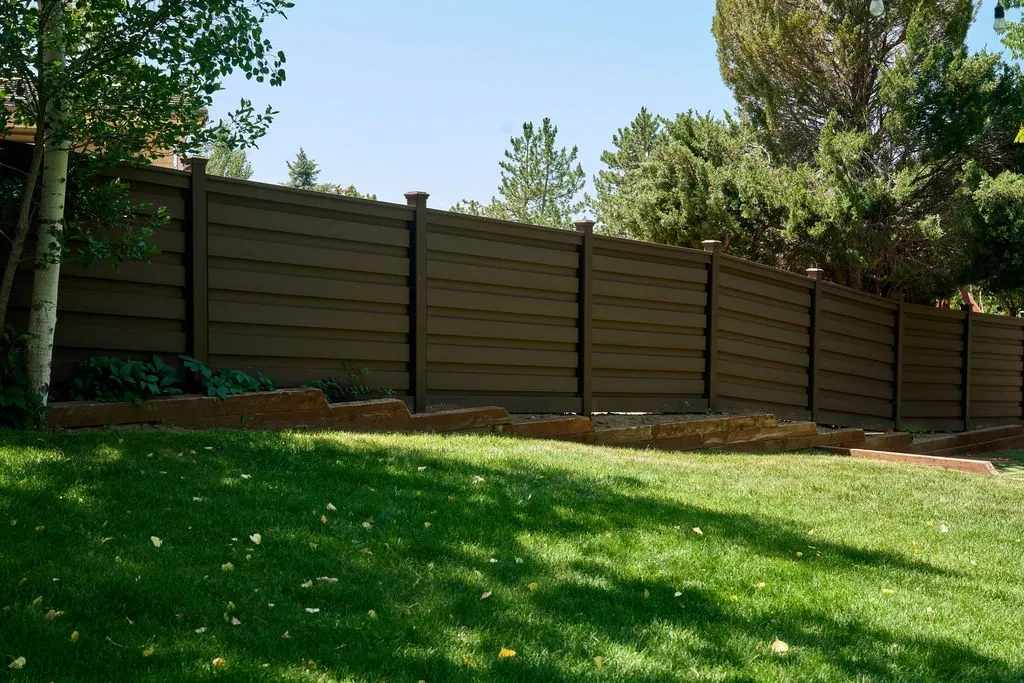
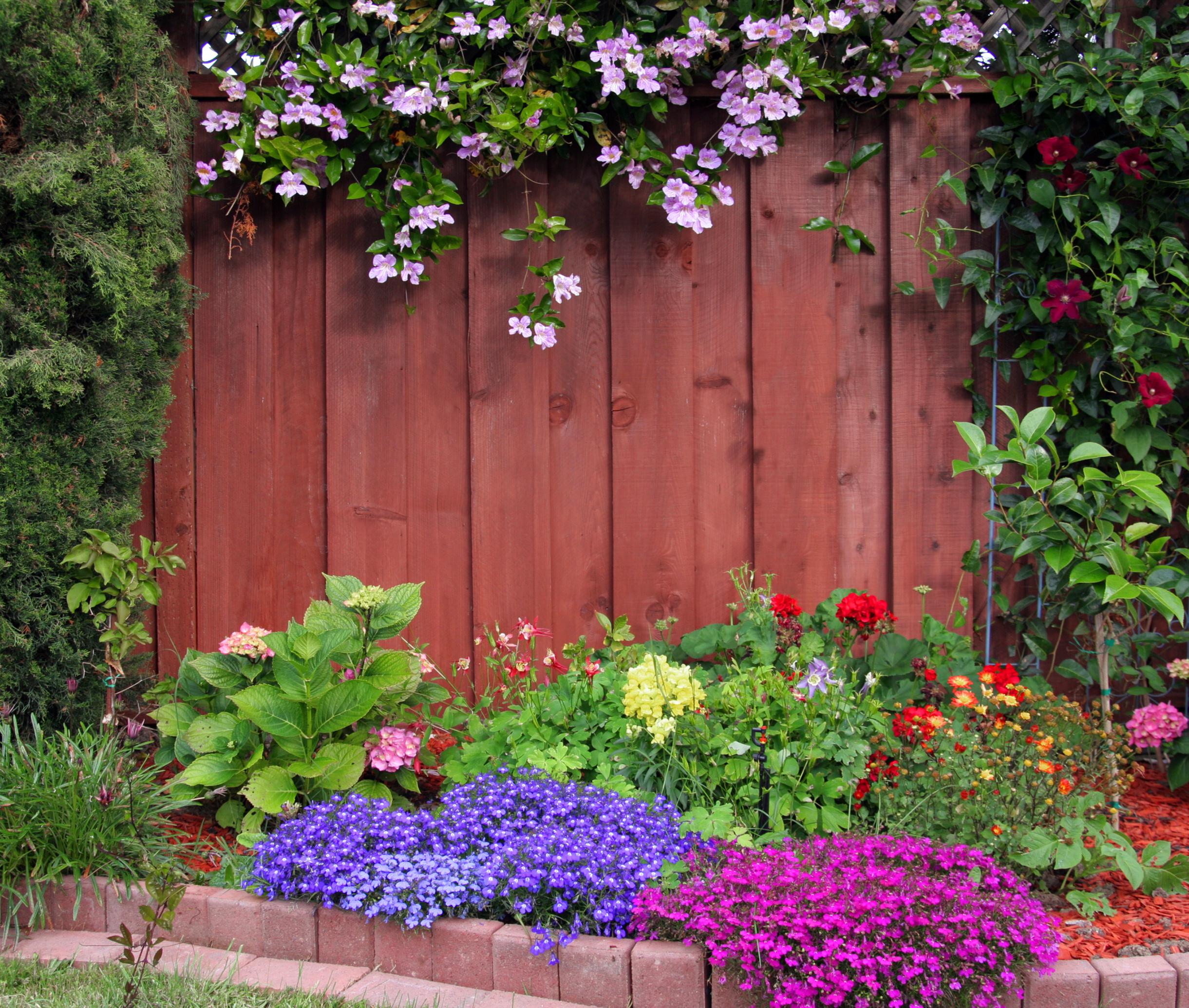
Many homeowners in Fort Lauderdale only realize the complexities of hoa fencing after starting a project that seems simple at first glance. While community guidelines may appear straightforward, subtle details often dictate everything from fence height to materials and style. Homeowners who partner with Top Rail Fence Fort Lauderdale find that understanding these requirements early prevents costly delays and ensures their designs align with HOA expectations.
What Makes HOA Fencing So Specific?
HOAs are designed to preserve neighborhood aesthetics and safety. This means hoa fencing rules can be surprisingly detailed, even in residential areas that appear laid-back. Common restrictions include approved materials, permitted colors, fence height, and style restrictions. Ignoring even one of these details can lead to denied permits or the need to redesign your fence design entirely.
Material and Style Limitations
HOA-approved fences are typically limited to certain materials, such as vinyl, aluminum, or treated wood. These limitations impact not only the longevity of your residential fencing but also the overall aesthetic of the neighborhood. Homeowners considering custom designs often discover too late that their preferred layout is incompatible with HOA rules.
Height and Visibility Restrictions
Height regulations are one of the most frequently overlooked details in hoa fencing guidelines. Many associations enforce specific heights to maintain sightlines, safety, and property uniformity. For example, a tall residential fencing solution might be excellent for privacy but could be rejected if it exceeds the HOA-approved limit. Gate and fence spacing can also affect compliance, particularly when paired with fence design features like lattice panels or decorative pickets.
How Fence Design Choices Affect Approval
Beyond materials and height, the fence design itself can determine whether a project is approved. Even small features such as post caps, picket shapes, and panel spacing can influence compliance. Many homeowners fail to consider how intricate designs may conflict with HOA rules, which often favor clean, consistent, and community-aligned aesthetics.
Aligning Creativity With Rules
A fence that blends style with HOA compliance often requires professional guidance. Working with a reputable fence company ensures that your design meets safety requirements, preserves community standards, and satisfies personal preferences. Top Rail Fence Fort Lauderdale assists homeowners in navigating these nuances, providing guidance on color, materials, and design before submission.
Documentation Requirements Are Non-Negotiable
One of the most common mistakes homeowners make is underestimating the paperwork required for HOA approval. Most associations demand detailed schematics, material lists, and installation timelines. Missing or incomplete documentation can delay a project for weeks or even months.
How a Fence Company Helps Streamline Approvals
An experienced fence company understands the HOA documentation process and can provide the necessary drawings, samples, and installation plans to ensure smooth approval. Top Rail Fence Fort Lauderdale helps clients anticipate potential issues, from hoa fencing specifications to local code compliance, saving both time and money.
Balancing Residential Fencing Needs With HOA Rules
While HOA rules may seem restrictive, they are ultimately designed to maintain neighborhood cohesion. Proper planning allows homeowners to meet both their personal residential fencing goals and the association’s standards.
Choosing the Right Fence Options
Homeowners should evaluate fence options carefully, considering factors such as privacy, durability, aesthetics, and compliance. For example, selecting vinyl or aluminum fencing may satisfy HOA durability standards while providing flexibility in design. Gate placement, panel spacing, and post style should also reflect both functionality and HOA requirements.
Local Factors That Affect HOA Fencing
Fort Lauderdale homeowners face additional considerations due to coastal weather, high humidity, and frequent storms. Choosing materials and designs that withstand these conditions is critical. According to the Florida Building Code, fencing must be constructed to resist wind loads and corrosion. Understanding these requirements helps homeowners align hoa fencing with both safety and HOA mandates.
Avoiding Late Discoveries and Costly Revisions
Many homeowners realize too late that their ideal fence design conflicts with HOA rules. This often results in redesigns, rescheduling contractors, or even fines. Partnering with a knowledgeable fence company from the start, such as Top Rail Fence Fort Lauderdale, ensures that your project is planned with compliance, aesthetics, and practicality in mind.
Final Steps for HOA Compliance
To prevent last-minute surprises, homeowners should:
- Review HOA fencing rules thoroughly before purchasing materials.
- Consult a professional fence company for compliance guidance.
- Submit complete documentation including design schematics, material samples, and timelines.
- Confirm that all residential fencing options meet both HOA and local safety standards.
By addressing these factors early, homeowners can enjoy an HOA-approved fence that enhances both privacy and curb appeal. Ready to ensure your fence meets all requirements? Reach out through our Contact Us page today for expert assistance with hoa fencing, fence design, and compliant installation.