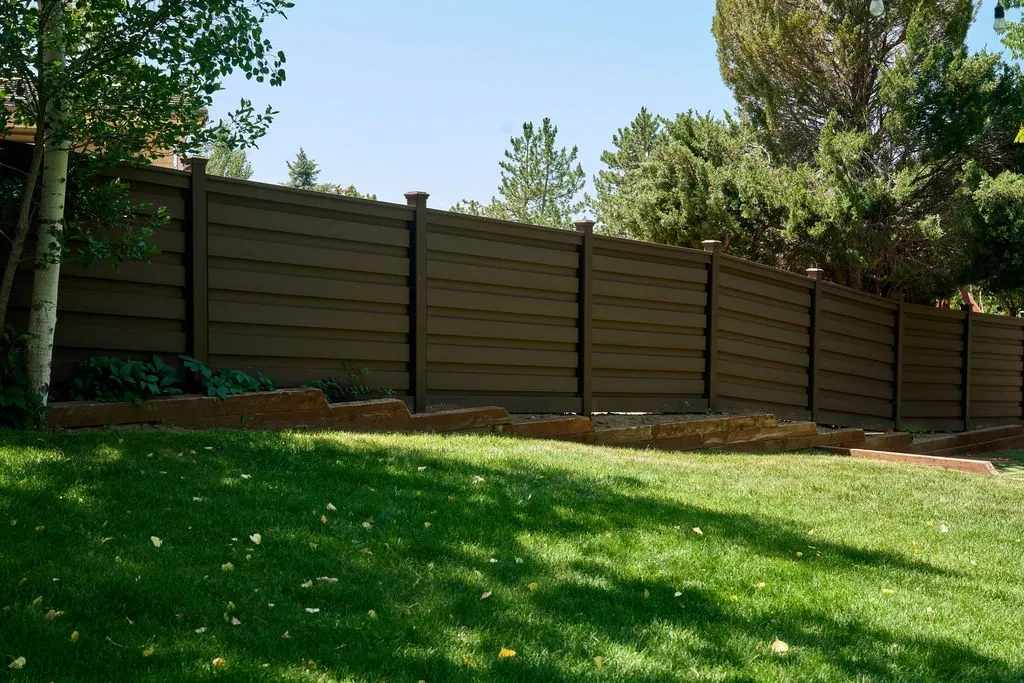
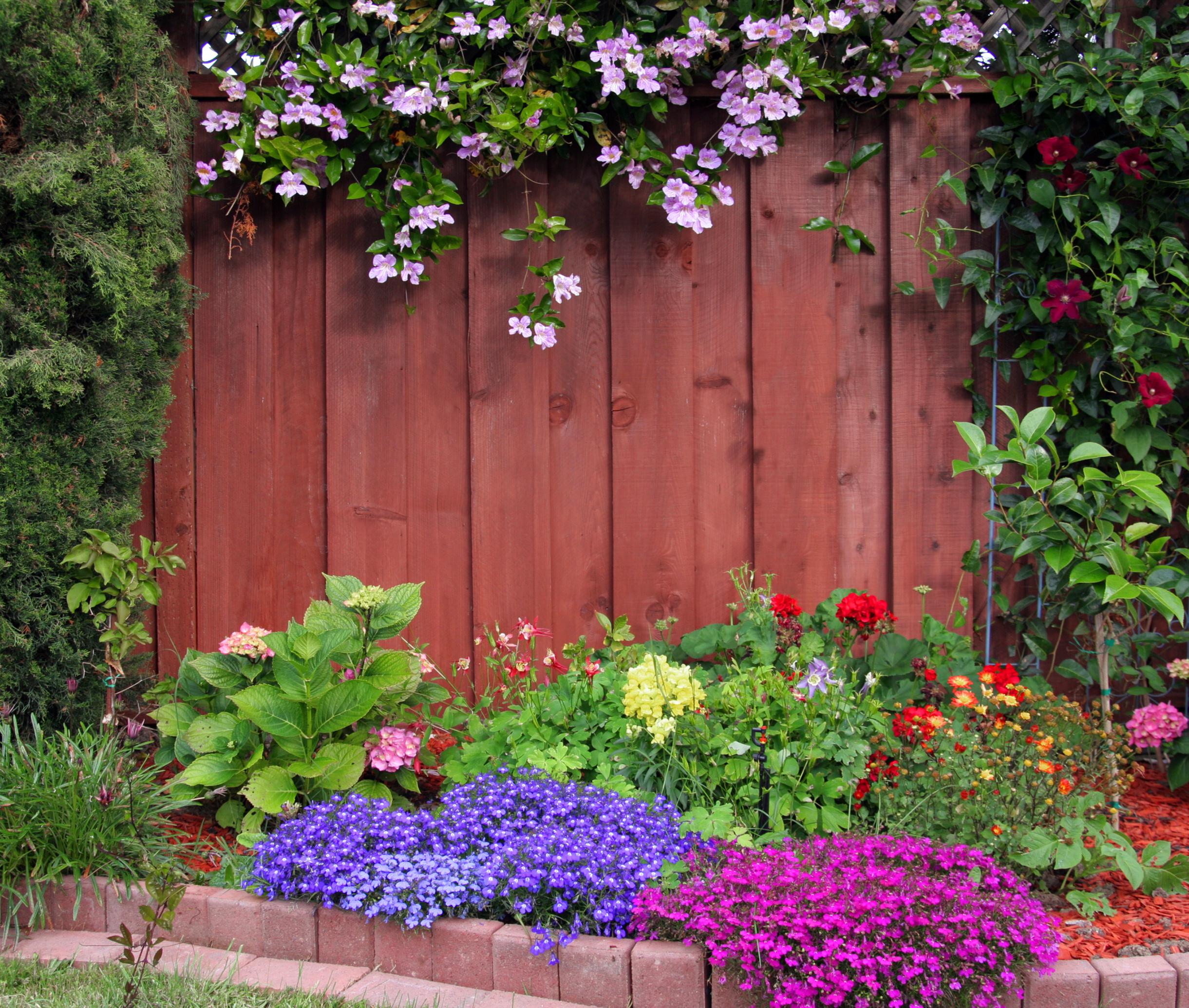
Homeowners in Fort Lauderdale often wonder whether wood fencing can truly withstand the coastal climate. With salt carried in the breeze from the Atlantic and year-round humidity, fencing materials are constantly exposed to conditions that accelerate aging. Many property owners researching wood fence installation begin by exploring options through Top Rail Fence Fort Lauderdale, especially when they want guidance tailored to coastal environments.
To answer the durability question, we looked at how wood fencing performs when deliberately exposed to salt air over time. The results offer practical insight for anyone considering privacy fence installation near the coast.
Understanding Salt Air and Its Impact on Wood
Salt air is more than just ocean breeze. It carries microscopic salt particles that settle on exterior surfaces. Over time, those particles draw moisture into wood fibers, which can speed up wear if the fence is not properly protected.
How Salt Interacts with Wood Fibers
Unlike metal, wood does not rust. However, salt combined with humidity increases moisture retention. When moisture content rises, expansion and contraction cycles become more frequent. This movement can cause minor warping, surface cracking, or faster finish breakdown if the fence is untreated.
Pressure-treated lumber and properly sealed cedar perform significantly better under these conditions. The key is preparation before and after wood fence installation.
Sun Exposure Compounds the Effect
In Fort Lauderdale, intense UV rays work alongside salt air. Sunlight dries the surface while salt attracts moisture beneath it. This contrast stresses the wood. Without proactive wood fence maintenance, finishes fade, and protective coatings degrade faster than they would inland.
Designing Wood Fencing for Coastal Performance
The experiment revealed something important. The material itself is only part of the equation. Construction techniques and finishing strategies heavily influence how long wood fencing lasts near the ocean.
Selecting the Right Lumber
Not all wood species respond equally to coastal exposure. Cedar contains natural oils that help resist moisture. Pressure-treated pine includes preservatives that reduce rot risk. When planning privacy fence installation, material choice should align with environmental stress factors rather than just aesthetics.
Professional contractors who understand local conditions often recommend sealants specifically rated for marine exposure. According to guidance from the US Forest Products Laboratory, protective coatings significantly extend exterior wood performance in high-moisture regions.
Elevation and Drainage Matter
Our exposure setup showed that panels installed slightly above soil level experienced less deterioration. Direct soil contact traps moisture, especially during heavy rain. Proper grading and post-setting techniques during wood fence installation help prevent premature decay.
Spacing between boards also affects airflow. Small ventilation gaps reduce moisture buildup, improving the longevity of wood fencing in coastal neighborhoods.
Maintenance Is the Real Deciding Factor
The experiment confirmed that maintenance determines success more than proximity to the ocean. Well-maintained sections outperformed neglected ones by a wide margin.
Routine Cleaning Prevents Salt Buildup
Salt residue accumulates gradually. Rinsing the fence periodically removes particles before they penetrate deeper into the grain. Simple washing once or twice a year can dramatically slow aging. This basic step plays a critical role in effective wood fence maintenance.
Sealing and Staining Intervals
Reapplying stain or sealant every two to three years creates a moisture barrier. In coastal areas, this timeline may shorten slightly depending on sun exposure. A consistent wood fence maintenance plan ensures the protective layer remains intact.
Homeowners comparing materials often explore wood fencing options to understand finish choices and style variations that complement long-term care strategies.
Real World Results from the Coastal Test
After sustained exposure, untreated boards showed visible fading and surface dryness. However, treated and sealed sections remained structurally sound with minimal warping. Posts set with proper drainage demonstrated impressive stability.
The takeaway is clear. Wood fencing can survive salt air in Fort Lauderdale when installation and maintenance are handled correctly. It is not about avoiding coastal conditions but preparing for them.
Structural Integrity Over Time
Even after extended testing, boards that received scheduled wood fence maintenance retained strength. Minor cosmetic weathering did not translate into structural failure. This distinction is important for homeowners concerned about long-term safety during privacy fence installation planning.
Appearance Versus Durability
Some fading is natural in coastal climates. Many homeowners appreciate the weathered character wood develops over time. For those who prefer a consistent look, staining refreshes color while preserving durability.
Professionals at Top Rail Fence Fort Lauderdale often explain that expectations play a major role. A wood fence near the ocean will evolve visually, but evolution does not equal weakness.
Why Professional Installation Makes the Difference
Improper installation accelerates deterioration. Posts set too shallow or panels installed without accounting for expansion increase stress under humid conditions.
Precision in Post Placement
Correct depth and anchoring methods ensure stability during storms. Coastal winds place lateral pressure on fencing systems. Experienced crews understand how to reinforce wood fence installation for wind resistance without compromising design.
Local Knowledge Reduces Risk
Working with Top Rail Fence Fort Lauderdale means factoring in soil composition, drainage patterns, and exposure levels specific to Fort Lauderdale neighborhoods. This localized approach improves performance and extends lifespan.
Long-Term Value in a Coastal Setting
While vinyl and aluminum options exist, many homeowners still prefer wood fencing for its natural warmth and customization potential. With proper planning, it remains a viable choice near the coast.
Cost Efficiency Over Time
Although wood fence maintenance requires periodic attention, the upfront investment is often lower than that of alternative materials. When maintained consistently, wood offers a strong return on value and adaptable style options.
Privacy Without Compromise
Solid panel designs used in privacy fence installation create seclusion without sacrificing character. In residential communities throughout Fort Lauderdale, wood continues to deliver both security and visual appeal.
Final Thoughts on Coastal Durability
The coastal exposure experiment demonstrates that wood fencing can absolutely endure salt air when approached strategically. Smart material selection, precise wood fence installation, and consistent wood fence maintenance transform a potential weakness into long term reliability.
If you are evaluating fencing solutions for your property in Fort Lauderdale, consulting Top Rail Fence Fort Lauderdale can help you design a system built for coastal performance. To discuss your project and explore options tailored to your landscape, visit the Contact Us page and start planning a fence designed to thrive by the ocean.