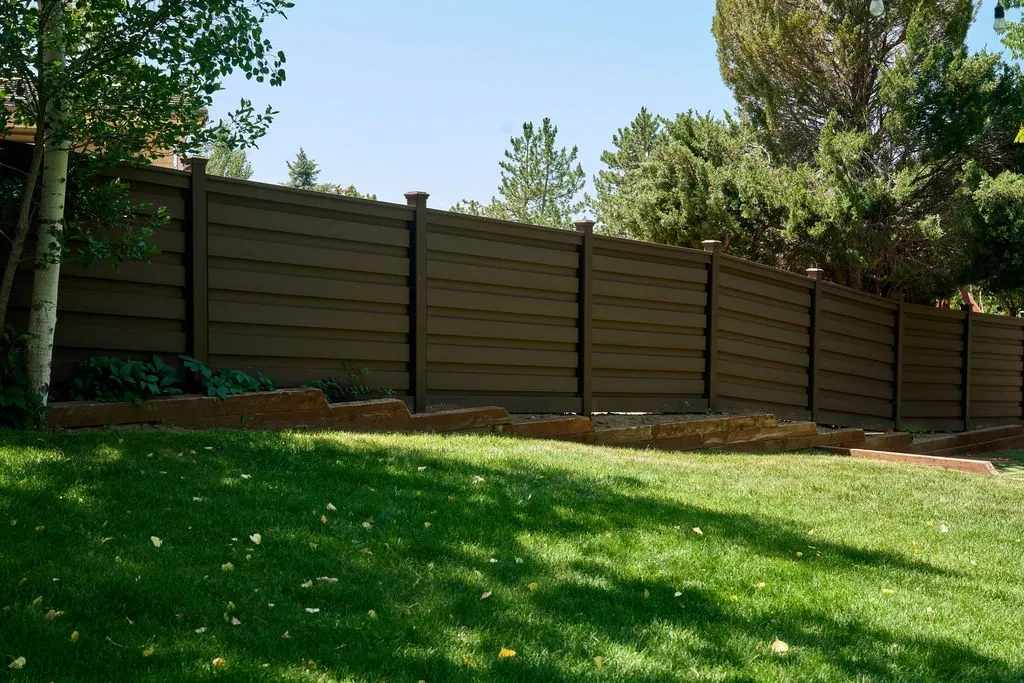
That dream 8-foot cedar fence might look perfect in your Fort Worth backyard — or it could earn you a violation notice and costly fines. The difference? Knowing the rules before you build.
At Top Rail Fence, we’ve helped hundreds of Fort Worth homeowners navigate city codes and HOA requirements. After completing installations across Arlington, Burleson, Weatherford, and beyond, we know exactly what works — and what gets homeowners in trouble.
Here’s what you need to know before building your fence
Why Fence Laws Matter
Skipping the rules can lead to:
- Demolition orders or costly rework
- Fines for non-compliance
- Issues during home sales or insurance claims
- Disputes with neighbors
The good news? These problems are completely avoidable when you plan ahead
Fort Worth Fence Height Rules
Fence height depends on where it’s built on your property.
Front Yard (street-facing):
- Max height: 4 feet
- Must be open design (at least 50% see-through)
- No chain link allowed
Privacy fences aren’t permitted in front yards, but materials like ornamental metal or vinyl pickets are.
Back and Side Yards:
- Max height: 8 feet
Most Fort Worth homeowners choose 6-foot cedar fences — plenty for privacy and curb appeal. Anything taller than 8 feet isn’t allowed in residential zones.
Corner Lots: No fence taller than 2 feet within 20 feet of a street intersection (for driver visibility).
When You Need a Fence Permit
Fort Worth requires a permit for:
- Solid fences over 6 feet tall
- Front yard fences over 4 feet
- Properties in flood zones or historic districts
- Pool enclosures
The permit process takes time, so plan early — or let Top Rail Fence handle the paperwork, applications, and inspections for you.
Approved Fence Materials
Fort Worth allows:
- Wood (cedar, redwood, or treated lumber)
- Brick or stone
- Reinforced concrete
- Vinyl
- Ornamental metal
- Chain link (backyards only)
For fences over 6 feet, posts must be set at least 3 feet deep in concrete, and wood must be decay-resistant. Metal fences must be factory-coated — no on-site painting.
Neighbor & Property Line Rules
Texas law doesn’t require neighbors to share fence costs — even if they benefit. To protect yourself:
- Get a property survey before building
- Stay 2–3 feet inside your property line
- Talk to your neighbor early to avoid disputes
- Document any cost-sharing agreements in writing
HOA Requirements
If you live in a subdivision, HOA approval often comes before city approval. Many Fort Worth HOAs limit height, color, and materials — and may require “good neighbor” designs.
Top Rail Fence reviews HOA rules for you and designs fences that meet both city and HOA standards — no surprises, no delays.
Don’t Forget: Safety & Utility Rules
- Pools: Must be enclosed by a fence at least 4 feet high with a self-closing, self-latching gate.
- Underground utilities: Call Texas 811 at least two business days before digging. Hitting a buried line can mean thousands in fines and repairs.
Why Fort Worth Trusts Top Rail Fence
✅ Complete permit handling
✅ Free on-site consultation
✅ Knowledge of Fort Worth & HOA regulations
✅ Premium materials built for Texas weather
✅ Expert installation — done right, the first time
“Top Rail handled all the permitting—I didn’t touch a single form. My HOA approved it immediately.” — Sarah K., Burleson
Ready to build your fence the right way?
Get your free estimate today: (817) 886-4972
Serving Fort Worth, Arlington, Burleson, Mansfield, Weatherford, Haltom City, Crowley, and nearby areas.