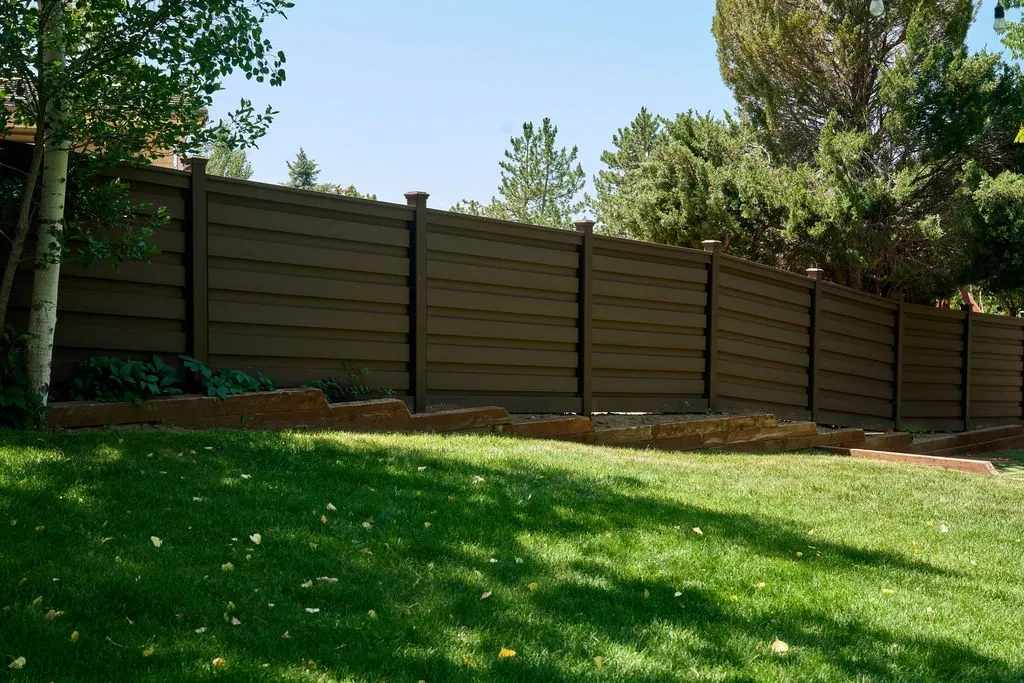
Homeowners across Hartford often choose vinyl fence installation for its clean appearance and low maintenance, yet many are surprised when subtle alignment shifts appear after several winters. These changes are rarely sudden or dramatic. Instead, they happen gradually as seasonal freeze-thaw cycles interact with soil, moisture, and fence post foundations.
Understanding Hartford’s Freeze-Thaw Environment
Why Freeze-Thaw Cycles Are So Common Locally
Hartford’s climate frequently shifts above and below freezing during late fall, winter, and early spring. Moisture in the soil freezes, expands, then contracts as it thaws. While vinyl fence installation materials are resilient, the ground beneath them is constantly moving.
Ground Movement Is the Real Culprit
Vinyl itself rarely fails under cold temperatures. The real impact comes from soil heave. As frozen ground expands upward, fence posts can be nudged slightly out of alignment, especially if drainage or post depth wasn’t optimized during installation.
How Vinyl Responds to Cold Weather Stress
Vinyl Flexibility Works in Its Favor
One advantage of vinyl is its ability to flex without cracking. Unlike wood, which can split, vinyl absorbs minor movement and returns to form. This flexibility helps reduce the need for frequent vinyl fence repair compared to other materials.
Temperature Changes Still Affect Alignment
Even though vinyl performs well in cold conditions, repeated freeze-thaw cycles can slowly influence how rails and panels sit over time. Professional vinyl fence installation allows for controlled movement, so these changes remain minimal and mostly cosmetic.
Post Depth and Soil Preparation Matter More Than Style
Deeper Posts Improve Long-Term Stability
In Hartford’s climate, fence posts must extend below the frost line. Proper vinyl fence installation accounts for this depth to reduce upward pressure during freezes.
Drainage Reduces Soil Expansion
Gravel backfill and proper grading allow water to drain away from posts. Without this, trapped moisture freezes and increases the likelihood of misalignment.
Homeowners comparing materials and layouts often review vinyl fence installation options midway through planning to ensure the structure matches local ground conditions.
Fence Style Choices and Freeze-Thaw Performance
Vinyl Picket Fences Handle Movement Differently
A vinyl picket fence allows more airflow and visual gaps, which can make minor alignment shifts less noticeable. These styles often perform well in areas with repeated freeze-thaw cycles.
Solid Panels Require Precise Installation
Privacy styles are heavier and rely more on post stability. With professional vinyl fence installation, expansion spacing, and reinforced rails help solid panels stay straight through seasonal changes.
Signs That Freeze-Thaw Is Affecting Your Fence
Subtle Leaning or Rail Gaps
Small changes, such as slight leaning or uneven rail spacing, are common indicators that soil movement is occurring beneath the posts.
Gates Become Harder to Latch
Gates are often the first area where misalignment shows. If a latch feels tight or uneven, it may signal a need for inspection rather than immediate vinyl fence repair.
When Repairs Are Necessary and When They Aren’t
Not Every Shift Requires Repair
Minor seasonal movement often corrects itself as temperatures stabilize. Quality vinyl fence installation anticipates these cycles and minimizes long-term impact.
Professional Adjustments Restore Alignment
When adjustments are needed, vinyl fence repair typically involves resetting posts or realigning rails rather than replacing panels, making fixes efficient and cost-effective.
Comparing Vinyl to Other Fencing Materials
Vinyl vs Wood in Freeze-Thaw Conditions
Wood absorbs moisture, which freezes and expands within the material itself. This leads to warping and rot. Vinyl avoids these issues, making vinyl fence installation a smarter choice for Hartford’s climate.
Vinyl vs Metal Fencing
Metal fences conduct cold rapidly and can shift as soil moves around posts. Vinyl’s insulating properties help moderate temperature stress.
According to cold-region building guidance from the University of Minnesota Extension, frost heave is one of the most common causes of post movement in outdoor structures in freeze-prone climates.
Long-Term Performance With Proper Planning
Installation Technique Determines Longevity
Freeze-thaw cycles are unavoidable, but thoughtful vinyl fence installation greatly reduces their impact. Post depth, drainage, and spacing decisions all contribute to long-term alignment.
Maintenance Remains Minimal
Even in Hartford’s climate, vinyl requires little upkeep. Occasional inspections help catch small issues before vinyl fence repair becomes necessary.
Final Thoughts on Freeze-Thaw and Vinyl Fence Alignment
Hartford’s freeze-thaw cycles quietly influence fence alignment, but vinyl remains one of the most reliable materials for these conditions. With proper vinyl fence installation, flexible design, and climate-aware planning, alignment shifts stay minor and manageable. Homeowners who want durable results often rely on Top Rail Fence Hartford for solutions tailored to local soil and weather patterns. If you have questions about alignment, repairs, or new installation, visit the Contact Us page to connect with Top Rail Fence Hartford and plan a fence built to perform year after year.