At first glance, a vinyl fence often looks uniform from end to end. Yet many homeowners across Hartford begin to notice something unexpected after a few years: one section looks brighter, another slightly duller, and some panels seem to age faster than others. This uneven aging isn’t a defect. It’s usually the result of environmental exposure, property layout, and installation decisions made early on. Homeowners exploring
Vinyl fencing solutions in Hartford frequently ask why the same vinyl fence can age differently within the same yard.
Understanding these factors helps set realistic expectations and leads to smarter planning for long-term appearance.
Sun Exposure Creates Natural Color Variation
How Daily Sun Patterns Shape Fence Aging
Sunlight is one of the biggest influences on how a vinyl fence ages. In Hartford neighborhoods, homes often cast shadows that move throughout the day. Panels facing open streets or southern exposures receive more UV radiation than those shaded by houses, garages, or mature trees.
Over time, increased exposure can cause subtle fading, even with UV-stabilized materials used in modern vinyl fence installation.
Shade Is Not Always a Bad Thing
Sections protected from constant sunlight often retain their original color longer. While this contrast can be noticeable, it’s a normal result of varied exposure rather than a flaw in the vinyl fence itself.
Moisture and Drainage Affect Aging Rates
Snow Melt and Rain Runoff Matter
Hartford’s seasonal rain and snow create uneven moisture conditions along fence lines. Areas where water drains poorly, or snow piles up against panels, can experience more frequent temperature and moisture changes.
This doesn’t usually weaken the vinyl fence, but it can affect surface appearance over time.
Soil Contact and Splashback
Lower sections of a vinyl fence may experience discoloration faster if mud and debris splash onto the panels. Proper grading during vinyl fence installation reduces this effect and keeps aging more consistent.
Installation Quality Influences Long-Term Appearance
Panel Spacing and Airflow
Professional vinyl fence installation allows for proper airflow between panels. When airflow is restricted, moisture can linger longer on certain sections, contributing to uneven aging.
Homeowners reviewing vinyl fence installation options mid-project often learn how spacing decisions directly affect long-term appearance.
Orientation Along Slopes and Corners
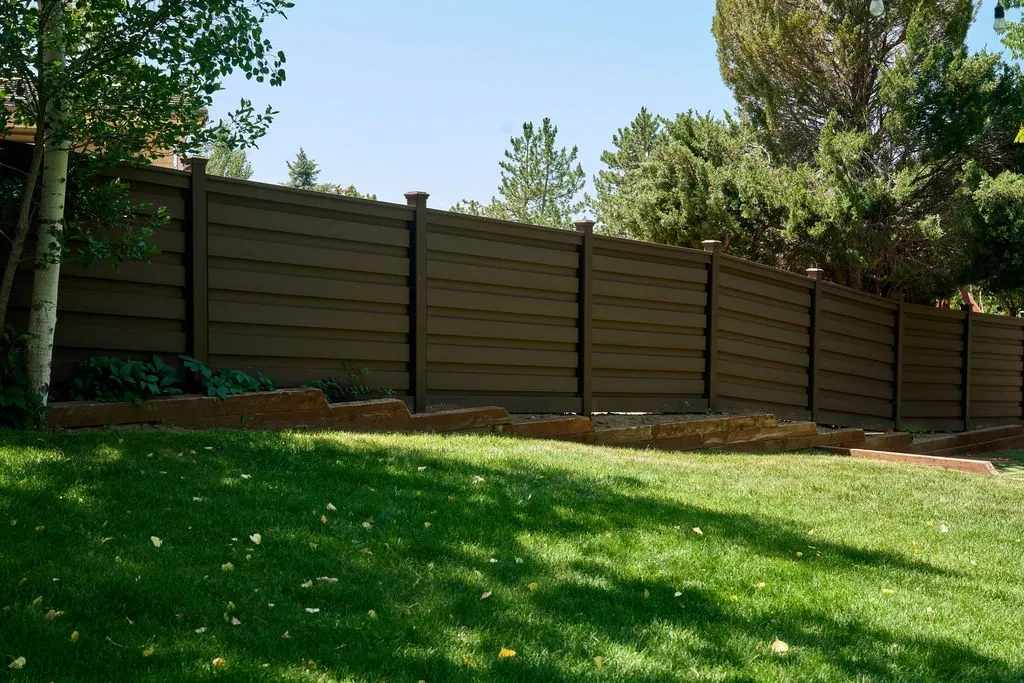
Fences installed across slopes or around corners experience different wind, sun, and moisture exposure. These microclimates naturally cause some sections of a vinyl fence to age at different rates.
Decorative Elements Age Differently Than Solid Panels
Decorative Vinyl Fence Accents
A decorative vinyl fence often includes lattice tops, scalloped edges, or detailed post caps. These features can catch sunlight differently from flat panels, leading to slight color variation over time.
Vinyl Fence Designs and Texture
Textured or wood-grain vinyl fence designs reflect light differently than smooth surfaces. This can make aging appear uneven, even when material performance remains consistent.
Hartford Neighborhood Layout Plays a Role
Proximity to Roads and Sidewalks
Fences near busy streets are exposed to more dust, exhaust residue, and road salt during winter. These elements can temporarily dull certain sections of a vinyl fence, especially those closest to traffic.
Landscaping and Plant Growth
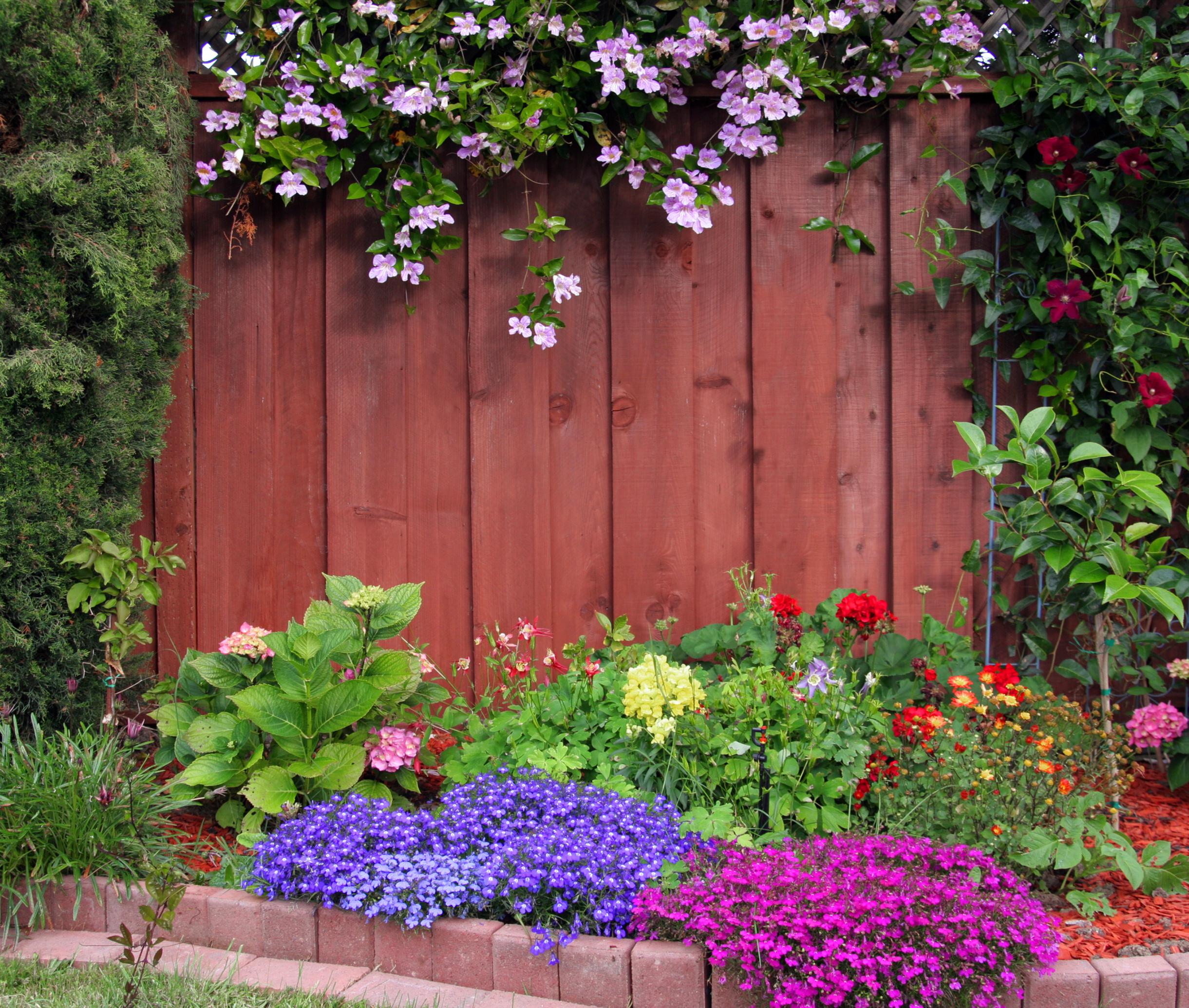
Hedges, vines, and shrubs can shade or trap moisture against panels. While landscaping enhances curb appeal, it can also influence how different sections of a vinyl fence age visually.
Cleaning Habits Impact Perceived Aging
Inconsistent Cleaning Creates Contrast
Homeowners often clean visible sections more frequently than areas behind sheds or alongside yards. Over time, this difference in maintenance can exaggerate the appearance of uneven aging.
Gentle Maintenance Preserves Uniformity
Occasional rinsing with water helps maintain a consistent look. Vinyl does not require harsh chemicals, which supports even aging across the entire vinyl fence.
How Vinyl Compares to Other Materials Over Time
Vinyl vs Wood Fencing
Wood fences often age unevenly through rot, warping, and staining. A vinyl fence avoids these issues entirely, even if color variation appears over time.
Vinyl vs Metal Fencing
Metal fences may rust or corrode unevenly, depending on moisture exposure. Vinyl’s resistance to corrosion makes it more predictable in Hartford’s climate.
According to the Vinyl Institute, modern vinyl fencing is engineered with UV inhibitors to slow fading and promote long-term color stability across varied environments.
Managing Expectations With Proper Planning
Choosing the Right Vinyl Fence Designs
Selecting lighter colors or styles with texture can make minor aging differences less noticeable. Thoughtful vinyl fence installation planning helps achieve a balanced look.
Professional Guidance Makes a Difference
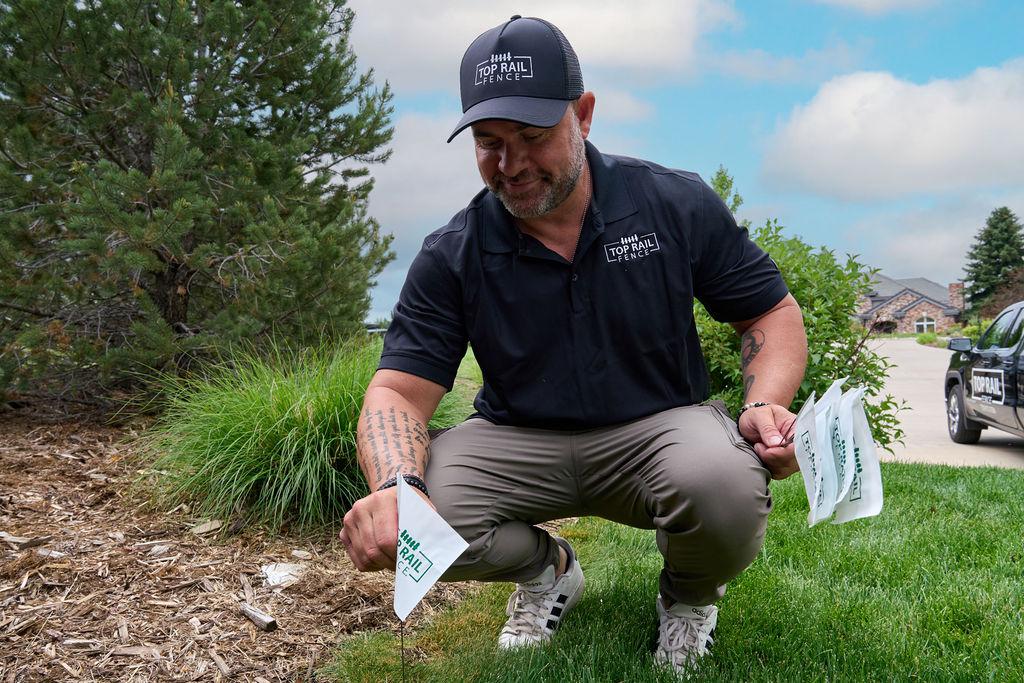
Homeowners who work with Top Rail Fence Hartford often benefit from local insight into sun patterns, drainage, and neighborhood layouts. These factors are considered before installation to minimize uneven aging.
Final Thoughts on Uneven Vinyl Fence Aging
Uneven aging across the same property is a natural outcome of sun exposure, moisture, and layout differences, not a failure of the material. A well-installed vinyl fence remains durable, attractive, and low-maintenance for years, even as subtle variations develop. With proper planning and realistic expectations, homeowners across Hartford continue to enjoy the long-term value vinyl provides. If you’re considering a new fence or want advice on maintaining a consistent appearance, reach out to Top Rail Fence Hartford through the Contact Us page to explore solutions designed for your property and environment.