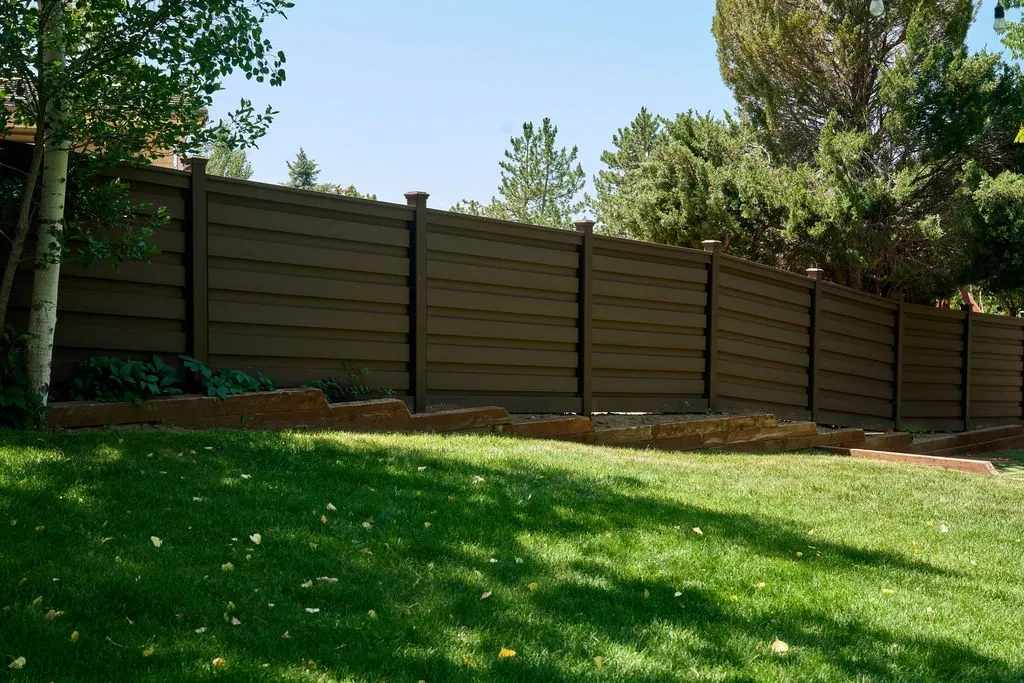
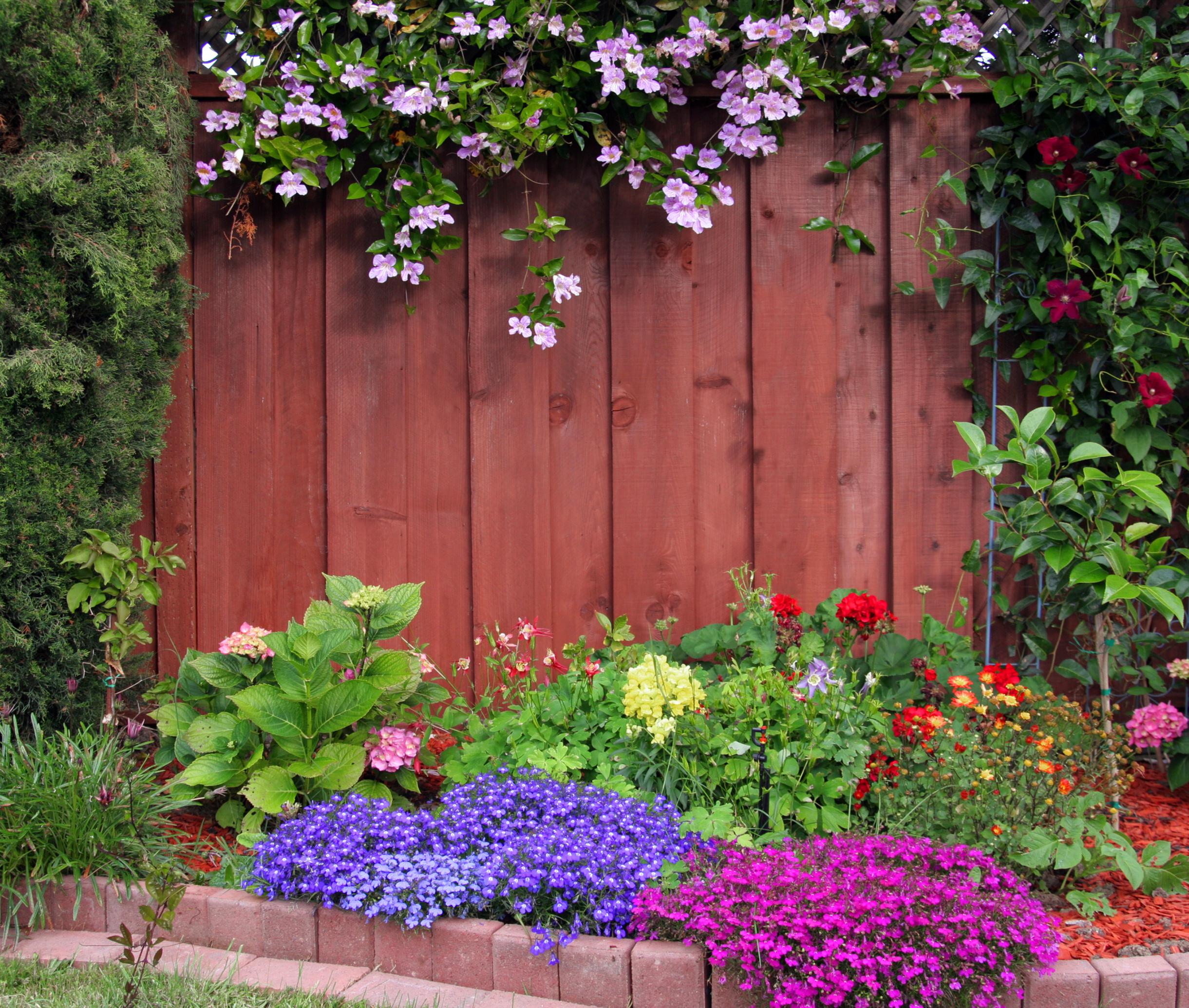
Wood fencing continues to gain traction in Hartford as more residents seek ways to enhance their outdoor spaces with privacy, warmth, and long-term durability. A well-built system made from the right materials can dramatically improve curb appeal while providing dependable performance through New England’s shifting weather patterns. With the guidance of Top Rail Fence Hartford, homeowners have access to expert recommendations on selecting the most reliable materials and layouts for their properties.
A major reason wood remains popular is how adaptable it is. Whether you’re upgrading an older perimeter or designing a brand-new enclosure, wood fencing can be shaped to match modern, classic, rustic, or transitional home styles. But while the visual appeal is important, durability and long-term performance make an even bigger difference. That’s why more homeowners today are paying closer attention to wood fence styles, material quality, and installation techniques before moving forward with their projects.
Understanding What Makes a Wood Fence Truly Durable
Before selecting a design, it helps to understand what actually determines how long a fence will last. While looks matter, the actual strength of a structure comes from the type of wood chosen, the way it’s installed, and how well it handles moisture, pests, and seasonal temperature changes.
Why Wood Type Matters More Than Most People Realize
Many homeowners begin by comparing options to find the best wood fencing material for their goals. Denser, naturally rot-resistant woods perform better over time, especially in climates like Hartford, where freeze-thaw cycles test a fence’s stability year after year. Cedar and redwood are known for their natural oils that resist moisture and pests, while pressure-treated pine offers impressive strength at a more affordable price. To explore material choices and updated recommendations, check resources like the Types of Wood Fences Guide, which provides a broad overview of how different materials compare in long-term performance.
Installation Techniques That Influence Fence Longevity
Even the strongest wood won’t perform well if the structure isn’t installed correctly. A high-quality wood fence installation should begin with properly anchored posts, adequate spacing, and a stable foundation that prevents shifting during heavy storms or winter frost. For this reason, many homeowners blend early research with professional insight by reviewing the installation process outlined on the wood fencing service page before choosing a final layout. A well-installed fence not only lasts longer but maintains a cleaner, straighter appearance over time.
Local Climate Factors That Shape Material Decisions
Humidity, snowfall, and seasonal storms all influence how well a fence performs in Hartford. Softer woods absorb moisture more quickly, which makes them vulnerable to warping. Stronger materials offer more stability, but sealing remains a crucial step for every system. Understanding these regional challenges helps homeowners strike a balance between cost and durability from the very beginning.
Comparing Popular Wood Fencing Choices in Hartford
While all wood can deliver character and charm, certain materials consistently outperform others in high-moisture or fluctuating climates. Below is a high-level reference for common options, formatted for readability.
Cedar
Naturally resilient, visually appealing, and resistant to insects. Typically higher in price but worth the investment for long-term durability.
Redwood
Rich color and excellent rot resistance. Similar performance to cedar with deeper, warmer tones.
Pressure-treated pine
Affordable and widely available. Treated to resist moisture and decay. Must be sealed regularly to maintain strength.
Spruce
A light, economical option. Best suited for dry environments. Not recommended for long-term use in wet climates.
Teak
Luxurious, highly durable, and excellent against pests. Premium cost but unmatched longevity.
Cypress
Contains natural oils that deter insects. Strong, stable, and visually appealing with a consistent grain.
Each type has unique benefits, but the best wood fencing material for your home depends on your budget, maintenance comfort, and design preferences. What works for one homeowner may not be ideal for another, which is why local guidance is essential.
Design Choices That Improve Both Appearance and Strength
Choosing Styles That Match Your Home’s Architecture
Many homeowners upgrade their properties by selecting wood fence styles that complement the home’s exterior. A traditional colonial home may benefit from a classic picket pattern, while modern properties often look better with horizontal layouts. Taller privacy designs add seclusion, while spaced-board patterns create airflow without compromising structure.
Maintenance Tips That Extend Fence Lifespan
Every wood fence requires care, regardless of material. Sealing once a year helps prevent water absorption, while gentle cleaning maintains the surface’s appearance. Even small tasks, like trimming vegetation away from boards, can significantly impact longevity. Many residents rely on Top Rail Fence Hartford for guidance on seasonal upkeep and support with early signs of wear.
Cost, Sustainability, and Availability Factors
Finding the perfect material often comes down to what’s accessible locally. Hard-to-source woods take longer to deliver and can raise costs. Choosing sustainable options that grow quickly, such as cedar, helps reduce environmental impact while keeping projects affordable. The goal is to find a balance between strength, cost, and visual appeal without sacrificing long-term performance.
Making the Right Decision for Your Hartford Home
With so many choices available, selecting the right style, installation method, and material can feel overwhelming. That’s why homeowners appreciate working with Top Rail Fence Hartford, whose specialists help match design goals with reliable materials and long-term durability. Their team ensures every project is constructed to withstand local conditions while meeting your aesthetic preferences.
Whether you are upgrading an existing boundary or starting a new outdoor project, professional insight ensures the final result is strong, stable, and visually aligned with your property. If you’re ready to compare materials or request a customized estimate, you can reach out through the Contact Us page to begin planning your wood fencing project.
A well-built wood fence is more than a perimeter; it’s an investment that elevates your property, enhances security, and delivers natural style year after year.