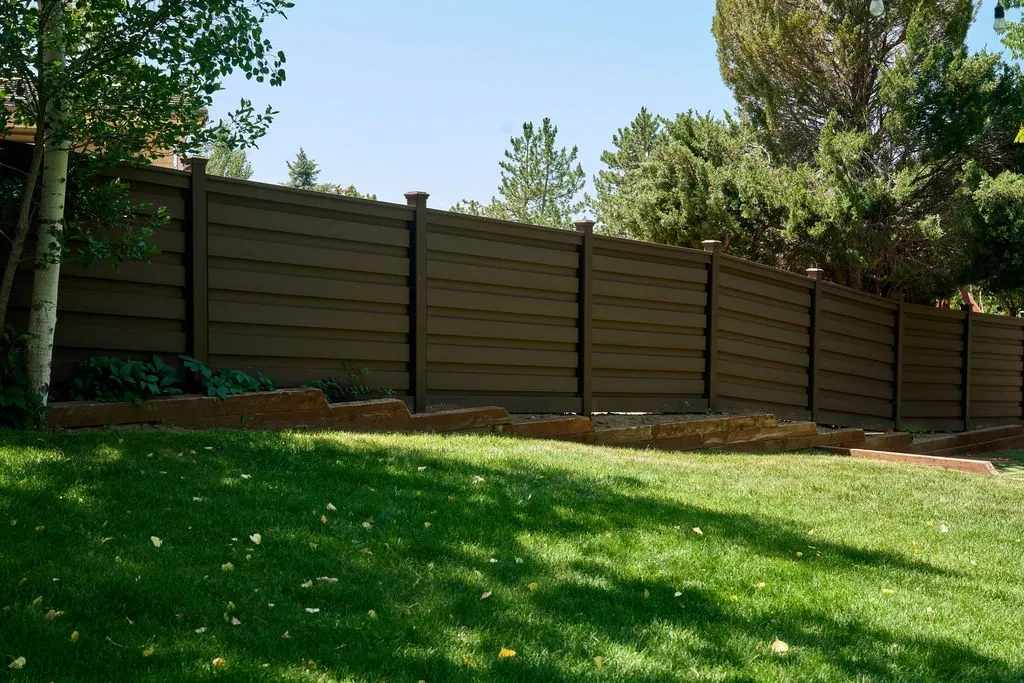
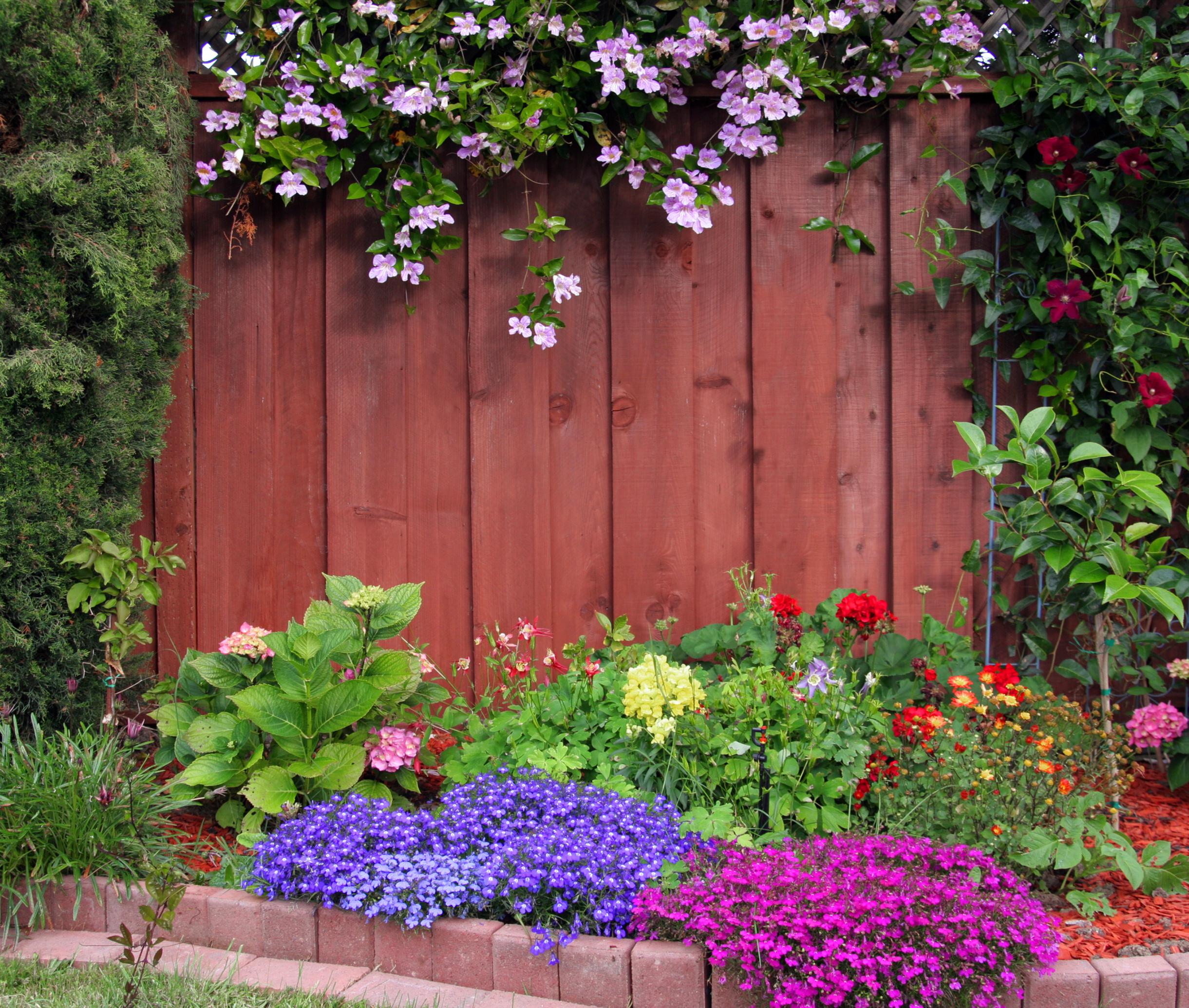
Wood fencing has long been a popular choice for homeowners who value natural charm, privacy, and classic appeal. But in Hartford, where the weather can shift dramatically between humid summers and icy winters, maintaining your wood fence takes more than just a coat of stain. Understanding how each season affects your fence’s durability can make all the difference between a structure that lasts a decade and one that endures for generations.
Keep reading to learn how Hartford’s seasonal weather impacts wood fence maintenance, what you can do to extend its life, and why trusting professionals like Top Rail Fence Hartford ensures your fence remains strong year-round.
Seasonal Impacts on Wood Fencing in Hartford
Winter in Hartford brings freezing temperatures, snow accumulation, and frost that can cause wood to contract and expand. These constant shifts often lead to warping and cracking. Moisture from melting snow can also seep into the boards, creating rot if not properly sealed.
Come spring, melting snow and rain create damp conditions that promote mold and mildew. This is where consistent wood fence maintenance becomes critical, cleaning, resealing, and inspecting for rot should top your to-do list.
Summer’s heat and humidity can dry out your fence, fading its color and causing boards to split. Regular staining and sealing help maintain moisture balance, while fall offers the best opportunity to perform deep maintenance before harsh winter conditions return.
Pro Tip: Regularly applying a UV-resistant stain in late summer protects your fence against Hartford’s strong sunlight and temperature fluctuations.
Choosing the Right Wood Fence Type for Hartford’s Climate
Not all wood fence types respond the same way to Hartford’s seasonal weather. Cedar and redwood, for instance, contain natural oils that resist rot and pests, making them ideal for long-term durability. Pressure-treated pine remains a budget-friendly favorite but requires more upkeep.
When investing in wood fence installation, ask your fencing professional about the best materials for Connecticut’s climate. The experts at Top Rail Fence Hartford can help you choose the right wood based on appearance, longevity, and resistance to local weather challenges.
To explore material comparisons, visit This Old House’s guide on choosing the right wood fence materials.
Best Practices for Wood Fence Installation
Proper wood fence installation plays a huge role in ensuring durability. Setting posts at the correct depth below the frost line prevents shifting during freeze-thaw cycles. Using galvanized or stainless steel hardware also protects against rust from Hartford’s humid summers and snowy winters.
Before you install, clear any vegetation near your fence line and grade the soil to prevent pooling water. Even with the best wood fencing, improper installation can shorten its lifespan drastically. For residents in Hartford, hiring professionals like Top Rail Fence Hartford ensures your fence is constructed with precision and built to withstand the city’s weather extremes.
If you’re looking for professional help, check out Top Rail Fence’s Hartford location page to request a consultation.
Seasonal Maintenance Tips to Extend Your Fence’s Lifespan
Spring: Inspection and Cleaning
After winter, inspect for cracks, loose boards, and discoloration. Use a gentle soap-and-water solution to clean debris and mildew. Refasten any loose nails or screws to prevent further damage.
Summer: Sealing and Protection
High UV exposure in summer can fade stains and dry out wood. Apply a sealant formulated for wood fencing that includes UV protection. Keep sprinklers pointed away from the fence to minimize unnecessary water exposure.
Fall: Repairs and Prep Work
Before winter arrives, replace damaged boards and reapply protective coatings. Remove any nearby foliage that traps moisture against your fence. This step ensures your fence is ready for Hartford’s frosty months.
Winter: Observation and Prevention
Keep snow from piling up against your fence. Use a broom rather than a shovel to avoid scraping and damaging the wood surface.
For more guidance on upkeep, explore our Wood Fence Maintenance Tips.
Common Problems with Wood Fences in Hartford and How to Fix Them
Problem: Rot and Decay
Hartford’s wet climate makes wood fences susceptible to rot. Replace damaged sections promptly and ensure good drainage. Applying a water-repellent sealant helps prevent future decay.
Problem: Fading and Discoloration
Strong sunlight can fade stains and paint. Use a UV-resistant finish and reapply every few years to maintain appearance.
Problem: Leaning or Sagging
Freezing ground and heavy snow can cause posts to shift. Check alignment regularly and reinforce with fresh concrete if needed.
If your fence needs a full inspection or repair, reach out via our Contact Us page.
Why Choose Top Rail Fence Hartford
When it comes to wood fence installation and long-term maintenance, Top Rail Fence Hartford offers customized solutions suited to Connecticut’s seasonal weather. From material selection to expert craftsmanship, their team ensures every fence stands strong, secure, and beautiful throughout the year.
Whether you’re exploring wood fence types, maintenance strategies, or planning a new installation, Top Rail Fence Hartford provides the expertise and local insight you can rely on.
Final Thoughts
Managing your wood fencing in Hartford takes consistent care and the right materials. With proper installation, seasonal maintenance, and the help of experts, your wood fence can maintain its strength and aesthetic appeal for decades.
Ready to start your next fencing project? Learn more about professional wood fence installation and repair services available at Top Rail Fence Hartford’s location.