When planning a fence installation, many homeowners expect a clear start date and a predictable finish. In reality, installation timelines across Louisville properties can vary widely, even for similar-sized yards. At Top Rail Fence Louisville, these variations are most often linked to terrain conditions, permitting requirements, material choices, and overall property layout, all of which directly influence how long a project takes to complete.
Understanding these variables helps set realistic expectations and ensures smoother planning from start to finish.
Property Conditions That Influence Installation Speed
Every property presents its own challenges. Two neighboring homes can require completely different timelines based on what lies above and below ground.
Yard Layout, Slopes, and Soil Type
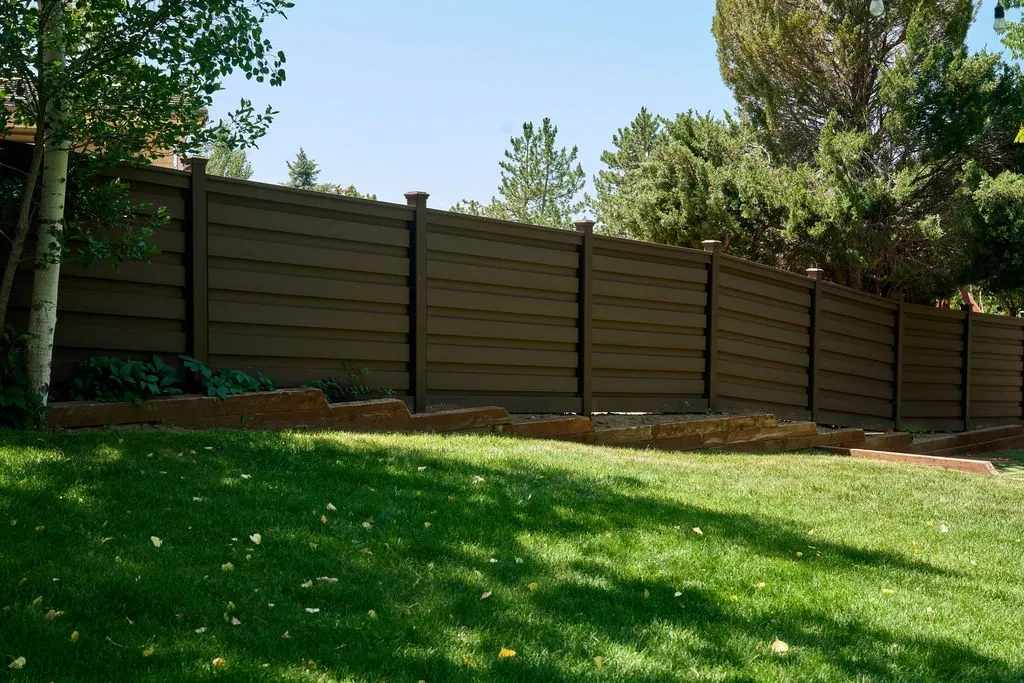
Flat, open yards typically allow faster fence installation, while sloped properties require stepped or racked sections that take additional time to measure and align. Soil composition also matters. Dense clay soils, common in parts of Louisville, can slow post-digging, especially after rainfall, while rocky areas may require specialized equipment.
Existing Structures and Obstacles
Trees, roots, retaining walls, and underground utilities all add complexity. Locating and working around these obstacles safely can extend timelines, even for smaller residential fence projects.
Permits and Local Regulations in Louisville
Local regulations often play a major role in scheduling.
Permit Approval Timeframes
Some neighborhoods require permits or HOA approvals before work begins. Waiting on approvals can delay the start of fence installation by days or even weeks. Older Louisville neighborhoods may also have stricter setback rules or height restrictions that require design adjustments.
Property Line Verification
Confirming property boundaries is critical. If surveys are outdated or unclear, additional verification may be required before installation can proceed, adding time to the project schedule.
Fence Types Affect Project Duration
Not all fences are installed at the same pace.
Material Selection Matters
Different fence types require different installation processes. Wood fences often involve more on-site adjustments, while vinyl and aluminum systems rely on precise spacing and alignment. Decorative or custom designs also increase labor time compared to standard panels.
Customization and Design Complexity
Gates, decorative accents, and specialty layouts extend timelines. Multi-gate properties or fences that wrap around irregular boundaries naturally take longer to complete.
Weather Patterns and Seasonal Demand
Timing plays a bigger role than many homeowners expect.
Rain and Ground Conditions
Spring and early summer rain can slow fence installation by softening soil and limiting equipment use. Wet ground may require additional drying time before posts can be set securely.
Peak Installation Seasons
Demand for fence services is highest during warmer months. Busy schedules can affect availability and stretch project timelines, especially during peak residential construction periods.
Midway through the planning process, many homeowners explore design options and scheduling considerations by reviewing residential fence options to better align expectations with their desired materials and layout.
Preparation Before Installation Begins
What happens before installation day often determines how smoothly the project moves.
Site Preparation and Clearing
Removing old fencing, clearing vegetation, and leveling sections of the yard all take time. Properties that are not fully prepared before crews arrive may experience delays.
Material Availability and Delivery
Supply availability can affect timelines. Some fence types are readily available, while others require custom fabrication or special ordering, adding days or weeks before installation can begin.
Crew Size and Installation Approach
The method used also influences how long the project lasts.
Project Scope and Crew Allocation
Larger properties or complex layouts may require multiple crew members over several days. Smaller projects can sometimes be completed in a single day, depending on conditions and material choice.
Precision vs Speed
Quality-focused fence installation prioritizes accurate post placement, proper spacing, and long-term durability. Rushing these steps can lead to issues later, so experienced installers balance efficiency with craftsmanship.
Why Professional Planning Makes a Difference
Clear communication and upfront planning help prevent unexpected delays.
Accurate Estimates and Scheduling
Experienced professionals evaluate soil, layout, regulations, and materials before scheduling. This reduces surprises once installation begins and helps homeowners plan around realistic timelines.
Coordinated Fence Services
From permitting guidance to final walkthroughs, professional fence services streamline the process. Working with Top Rail Fence Louisville ensures local knowledge is applied to every step, from planning to completion.
According to guidance from the University of Kentucky Cooperative Extension, proper site evaluation and preparation significantly reduce construction delays and long-term structural issues, especially for outdoor installations in variable soil conditions.
Final Thoughts on Installation Timelines in Louisville
No two properties are exactly alike, which is why fence installation timelines vary so much across Louisville. Yard conditions, material choices, regulations, weather, and preparation all play critical roles. Understanding these factors helps homeowners plan confidently and avoid unnecessary stress.
When questions arise or scheduling needs clarification, homeowners can connect directly through the Contact Us page to discuss their property details. With thoughtful planning and support from Top Rail Fence Louisville, fence projects stay organized, efficient, and built to last.