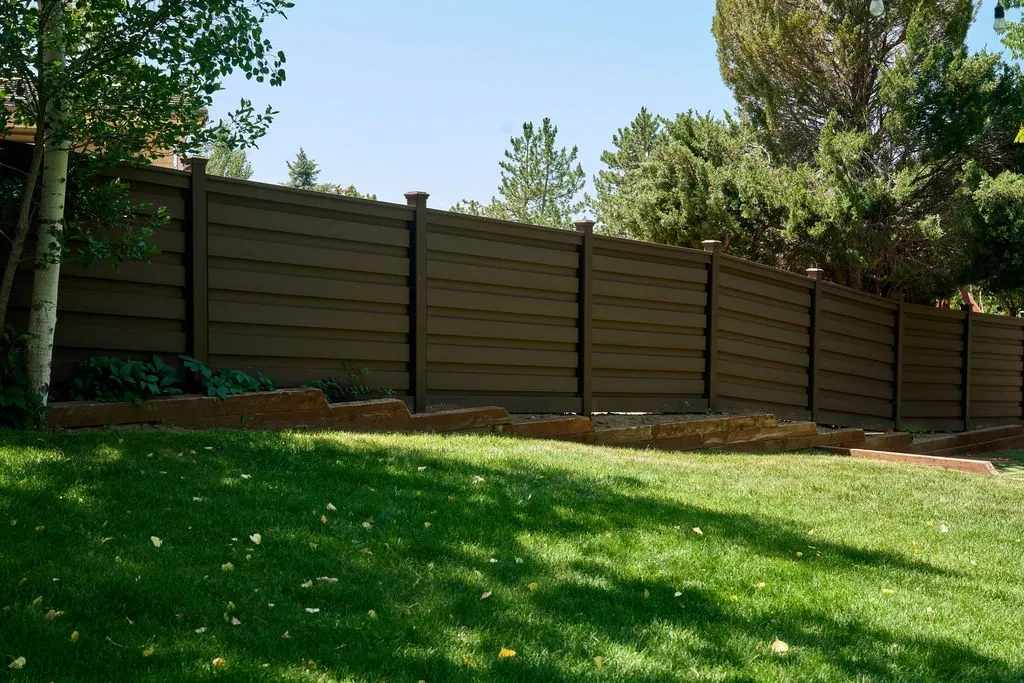
When homeowners plan residential fencing, layout details are often overlooked until problems appear. Yard dimensions, home orientation, and access points all influence how smoothly a project moves forward. In Louisville, these layout factors regularly affect outcomes, and Top Rail Fence Louisville sees firsthand how thoughtful planning leads to better results. For property owners exploring residential fencing options, understanding how layout impacts performance is key, and working with a trusted local team like Top Rail Fence Louisville helps prevent costly surprises from the start.
How Home Layout Shapes Residential Fencing Decisions
Every home has unique characteristics that quietly influence fence performance. From narrow side yards to deep back lots, layout determines how materials are staged, where posts are set, and how panels align. Residential fencing installed without considering these elements can face premature wear or alignment issues.
Yard Depth and Boundary Placement
Homes with deep lots often require longer fence runs, increasing the importance of straight lines and consistent spacing. In contrast, shallow yards demand precise measurements to avoid crowding outdoor living spaces. Residential fence installation succeeds when boundaries are clearly defined, and layout constraints are addressed early.
Entry Points and Gate Positioning
Gate placement is directly tied to home layout. Driveways, walkways, and patio doors all dictate where access points should go. A well-planned professional fence installation ensures gates align naturally with daily movement patterns, improving usability without disrupting the fence structure.
Why Louisville Property Shapes Matter
Local architecture and lot design influence how fences perform over time. Many Louisville neighborhoods feature sloped yards, corner lots, or irregular boundaries that require adaptive solutions rather than standard layouts.
Slopes and Elevation Changes
Elevation shifts can stress fence panels if not properly accounted for. Stepped or racked designs help residential fencing follow the land while maintaining visual balance. Ignoring slope considerations often leads to gaps at the base or uneven top lines.
Setbacks and Zoning Awareness
Municipal guidelines often dictate how close fences can sit to property lines. According to guidance from the Louisville Metro Department of Codes and Regulations, zoning rules and setback requirements must be reviewed before installation begins. Factoring these rules into layout planning protects homeowners from delays and rework.
Material Selection Based on Layout Needs
Not all fencing materials respond the same way to layout challenges. Choosing materials that complement the home’s footprint improves durability and appearance.
Privacy Fencing Materials and Space Planning
Taller panels used in privacy fencing materials require adequate clearance and stable post spacing. In compact yards, airflow and light exposure also matter. Selecting the right panel style helps maintain comfort while achieving privacy goals.
Visibility and Open Layouts
Open-concept yards often benefit from fencing styles that preserve sightlines. Matching material choice to layout ensures residential fencing enhances curb appeal rather than overwhelming the property.
Installation Strategy and Professional Insight
Layout-aware planning separates average results from long-lasting success. Experienced installers evaluate layout challenges before setting the first post.
Pre-Installation Walkthroughs
A detailed walkthrough identifies obstacles such as utility lines, tree roots, or uneven soil. This step is essential for professional fence installation, especially in established neighborhoods where layouts have evolved over decades.
Coordinating With Home Features
Decks, pools, and landscaping features must integrate seamlessly with fencing. A coordinated approach allows residential fence installation to complement existing structures rather than compete with them. Homeowners can explore related design considerations through this fence installation resource.
Long-Term Performance Starts With Layout Planning
Fences designed around layout realities last longer and require fewer adjustments. Poor alignment often traces back to rushed planning rather than material failure.
Maintenance Access and Repairs
Adequate spacing around fences allows for easier maintenance. Layouts that restrict access can complicate repairs and cleaning, reducing the lifespan of residential fencing systems.
Adapting to Future Changes
Home layouts change as families grow or outdoor spaces evolve. Flexible design choices during installation help fencing adapt to future needs without major reconstruction.
Choosing the Right Local Expertise
Working with professionals familiar with local layouts ensures better outcomes. Top Rail Fence Louisville understands how neighborhood patterns, soil conditions, and home designs intersect, making layout-informed decisions part of every project. This local experience allows homeowners to avoid common pitfalls while maximizing the value of their residential fencing investment.
As projects move forward, homeowners benefit from clear communication and layout-focused planning. For personalized guidance or to start a project, reach out through the Contact Us page. With the right approach and the support of Top Rail Fence Louisville, residential fencing becomes a seamless extension of the home rather than an afterthought.
By recognizing how home layouts quietly dictate fence success, Louisville homeowners can make smarter decisions, select suitable materials, and enjoy fencing that performs as well as it looks for years to come.