Seasonal temperature changes in Louisville do more than affect comfort levels. They quietly influence how fencing materials expand, contract, and settle over time. Homeowners considering vinyl fence installation often notice that vinyl behaves differently in spring, summer, fall, and winter. Understanding how temperature swings affect flexibility helps you choose the right fence design and avoid performance issues later. Many property owners begin by reviewing Louisville vinyl fencing services to see how local climate conditions factor into material selection and installation methods.
Why Temperature Matters for Vinyl Fences
Expansion and Contraction Are Built Into Vinyl
Vinyl fencing is engineered to flex. Unlike rigid materials, vinyl is designed to expand in heat and contract in colder temperatures without cracking. This flexibility is one of the main reasons vinyl fence installation remains popular in climates like Louisville, where summer heat and winter cold can fluctuate significantly within a single year.
How Daily Temperature Shifts Affect Panels
On warm afternoons, vinyl panels may expand slightly, while cooler nights cause them to contract. When installed correctly, this movement is accounted for through spacing and rail placement. Problems only arise when expansion gaps are ignored during installation, leading to pressure points or minor warping.
Seasonal Patterns That Influence Vinyl Fence Performance
Summer Heat and Material Flexibility
During Louisville summers, prolonged heat softens vinyl slightly, allowing it to flex instead of fracture. This is especially beneficial for open designs like a vinyl picket fence, where airflow reduces heat buildup. Light-colored vinyl also reflects sunlight, helping maintain consistent panel performance.
Why Fence Color Plays a Role
Darker vinyl absorbs more heat than lighter shades. While modern vinyl fence options are UV-stabilized, color selection still influences surface temperature. This is why experienced installers recommend designs and colors that align with both aesthetic goals and climate realities.
Cold Weather Effects on Vinyl Stability
Winter Contraction and Structural Integrity
In colder months, vinyl becomes firmer as it contracts. Properly installed fences accommodate this change without becoming brittle. Professional vinyl fence installation includes allowances for contraction so rails and posts remain secure even during freezing temperatures.
Snow Load and Fence Design
Snow accumulation can add temporary weight to fence rails. Certain vinyl fence styles, such as privacy panels, are designed to distribute this load evenly. This prevents stress concentration and preserves long-term alignment throughout winter.
Design Choices That Support Temperature Flexibility
Selecting Fence Styles That Adapt
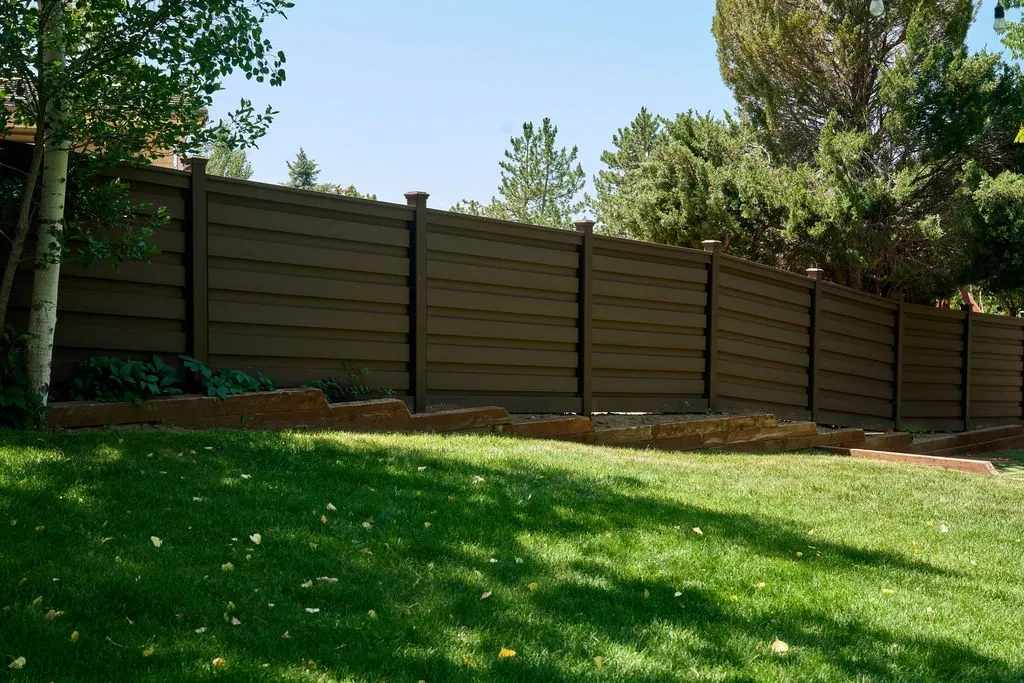
Not all fences respond to temperature the same way. Picket designs allow more air circulation, while privacy styles offer stability through reinforced rails. Exploring different vinyl fence options helps homeowners match design preferences with performance needs.
Rail Systems and Expansion Space
Modern vinyl fencing systems include internal rail channels that allow panels to slide slightly as temperatures change. This design feature is critical in climates like Louisville, where rapid weather shifts are common.
Installation Precision Makes the Difference
Why Professional Installation Protects Flexibility
Even the best materials fail without proper installation. Vinyl fence installation requires precise measurements, post alignment, and expansion spacing. Installers trained to work in variable climates ensure panels are never forced into rigid positions.
Midway through the planning process, many homeowners compare privacy designs, decorative pickets, and mixed layouts. Reviewing detailed guides on vinyl fence styles helps clarify which designs handle temperature movement most effectively.
Ground Conditions and Post Depth
Temperature changes also affect soil. Expanding and contracting ground can stress shallow posts. Proper post depth and footing preparation protect fences from frost heave and shifting soil throughout the year.
What Research Says About Vinyl and Temperature
Material Science Behind Vinyl Flexibility
Studies on PVC-based materials show that controlled flexibility improves durability in outdoor applications. According to research shared by the Ohio State University Extension, vinyl materials are engineered to handle thermal expansion when installed with appropriate spacing and support, making them well-suited for environments with wide temperature ranges.
Maintenance Expectations in a Variable Climate
What Homeowners Should Watch For
One advantage of vinyl fencing is minimal maintenance. Still, seasonal inspections help spot early signs of stress. Look for uneven panel spacing or post movement after extreme temperature swings. These issues are rare but easier to correct early.
Long-Term Performance With Proper Planning
Homeowners who work with Top Rail Fence Louisville often find that temperature-related concerns are addressed before installation begins. This proactive approach reduces callbacks and extends fence lifespan.
Planning for Comfort, Appearance, and Longevity
Matching Fence Design to Louisville Weather
Choosing the right fence means thinking beyond appearance. Climate-aware vinyl fence installation ensures your fence looks good and performs consistently throughout the year. Flexible materials, smart design, and skilled installation all work together.
As projects near completion, homeowners are encouraged to connect through the Contact Us page to discuss layout options, color choices, and installation timelines tailored to Louisville’s climate.
Final Thoughts on Vinyl Fence Flexibility
Why Temperature Awareness Pays Off
Understanding how temperature affects vinyl helps you make smarter decisions. From selecting the right vinyl fence options to ensuring correct installation, every step contributes to durability and visual appeal. With guidance from Top Rail Fence Louisville, homeowners gain fencing solutions designed to handle Louisville’s seasonal shifts without sacrificing style or performance.