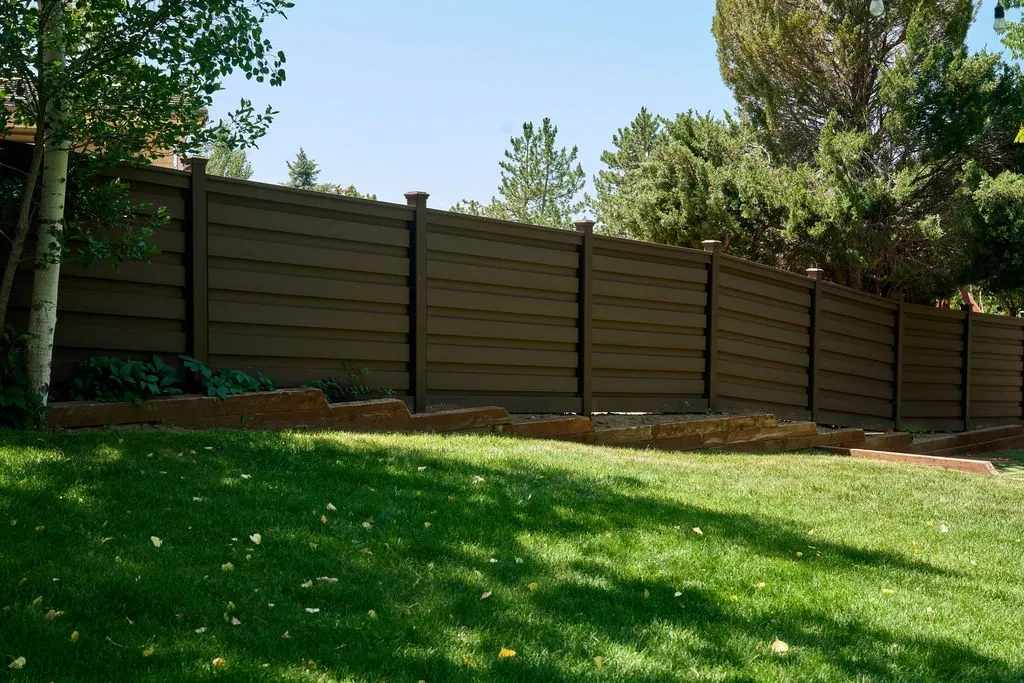
After a full winter freeze followed by intense summer humidity, many homeowners in Louisville begin to question what seasonal swings mean for their vinyl fence installation. While vinyl is engineered for durability, temperature shifts, moisture fluctuations, and ground movement all influence how fencing performs year after year. Families researching Top Rail Fence Louisville often want clarity about how local climate patterns affect long-term fence stability and appearance.
Understanding the freeze-to-humidity cycle helps homeowners protect their investment and plan smarter fence installation strategies from the start.
What Actually Happens During Seasonal Expansion and Contraction
Temperature extremes are not just surface-level concerns. They directly influence material flexibility and structural tension within panels and posts.
How Cold Weather Tightens Vinyl Panels
During freezing conditions, vinyl contracts slightly. A properly planned vinyl fence installation accounts for this movement by allowing panels to shift naturally within their rails. If spacing was not calibrated correctly, winter contraction may cause visible gaps or slight rail tension.
In Louisville, where winter temperatures can drop sharply before rebounding, this tightening effect is temporary but noticeable.
Why Humidity Changes Surface Behavior
When summer humidity arrives, vinyl expands and becomes more flexible. The expansion is subtle, yet over long fence lines it becomes cumulative. High humidity combined with direct sunlight can create mild surface waviness if installation did not allow adequate thermal clearance.
This seasonal push and pull explains why some homeowners inspect their vinyl fencing more closely after the first full year.
Ground Movement After a Freeze
The freeze-to-humidity cycle affects more than panels. Soil conditions shift beneath fence posts.
Frost Heave and Soil Shift
During deep freezes, moisture in the soil expands. This can push posts upward slightly, especially in clay-heavy ground common in parts of Louisville. When the soil thaws, it settles unevenly. Over time, this movement may alter alignment if the original fence installation did not account for frost depth.
Professional crews performing vinyl fence installation calculate post depth carefully to reduce this risk.
Drainage Makes a Difference
Proper grading around fence lines minimizes standing water. Excess moisture after snowmelt can soften soil, weakening post stability before summer heat dries everything again. Reviewing design considerations on vinyl fencing solutions helps homeowners understand how layout decisions affect long-term stability.
Surface Appearance After a Full Seasonal Cycle
Many families ask whether color fading or surface dulling after the first year is normal.
UV Exposure Following Winter Reflection
Snow reflects sunlight, intensifying UV exposure during winter months. When summer follows with high humidity, that combined exposure can accelerate subtle surface changes. Modern vinyl fencing includes UV inhibitors, but consistent sunlight still influences gloss levels gradually.
Cleaning Habits Between Seasons
Routine vinyl fence maintenance plays a significant role in preserving appearance. Dirt buildup trapped during winter moisture can become more visible once humidity rises. Gentle washing in early spring prevents residue from settling into the surface texture.
According to research from the University of Minnesota Extension, polymer-based exterior materials benefit from seasonal inspection and light cleaning to maintain structural integrity and finish quality.
Hardware and Structural Components
Panels get most of the attention, but brackets, fasteners, and internal reinforcements also respond to seasonal change.
Expansion Room Within Rails
A quality vinyl fence installation leaves space inside horizontal rails for expansion. Without this allowance, humidity can cause internal pressure that slightly bows sections during peak summer heat in Louisville.
Reinforcement in High Wind Zones
Spring storms often follow the winter thaw. Reinforced posts and proper anchoring prevent stress fractures that might otherwise appear after months of expansion and contraction. This is why working with Top Rail Fence Louisville provides peace of mind for homeowners who want engineering considerations handled properly.
When Should Homeowners Be Concerned
Not every visible shift requires repair. Understanding normal movement versus structural concern is key.
Temporary Gaps Versus Permanent Lean
Seasonal spacing changes that resolve as temperatures stabilize are expected. However, persistent leaning after summer humidity may indicate post movement. Addressing it early prevents wider alignment problems across the fence line.
Small Adjustments Preserve Longevity
Early evaluation avoids larger corrective work. Many homeowners schedule inspections after their first seasonal cycle to ensure their vinyl fence installation settled properly.
Planning Ahead for Long-Term Performance
Homeowners preparing for a new project often ask how to minimize visible seasonal impact before installation even begins.
Choose Styles That Allow Airflow
Certain vinyl fencing profiles encourage airflow, reducing heat retention during humid summers. Semi-privacy and picket styles often regulate surface temperature more evenly than solid panels.
Prioritize Proper Installation Depth
Deep, reinforced post setting remains one of the most important steps in professional fence installation. Accounting for frost depth protects alignment during freeze-thaw transitions common in Louisville winters.
Midway through planning, families often consult Top Rail Fence Louisville to compare materials, layout options, and long-term vinyl fence maintenance expectations. A thoughtful approach at this stage reduces surprises after the first full climate cycle.
Ongoing Care After Year One
Once a fence has completed its first freeze to humidity rotation, maintenance becomes predictable.
Seasonal Inspection Checklist
Spring inspection should include checking panel alignment, confirming secure rails, and clearing debris around posts. Light washing removes accumulated residue and keeps vinyl fencing looking uniform.
Avoid Overcorrection
Aggressive power washing can damage the surface finish. Gentle cleaning and routine observation are typically sufficient for preserving both appearance and structural integrity.
Moving Forward With Confidence
The freeze-to-humidity cycle in Louisville is not a threat to well-planned vinyl fence installation. It is simply part of the environmental rhythm that materials are designed to withstand. With professional planning, proper spacing, and consistent vinyl fence maintenance, homeowners can expect reliable performance year after year.
If you have questions about alignment, seasonal movement, or are planning a new fence installation, connect with the team at Top Rail Fence Louisville for tailored guidance. You can start by visiting the Contact Us page to schedule a consultation and ensure your fencing is prepared for every season ahead.