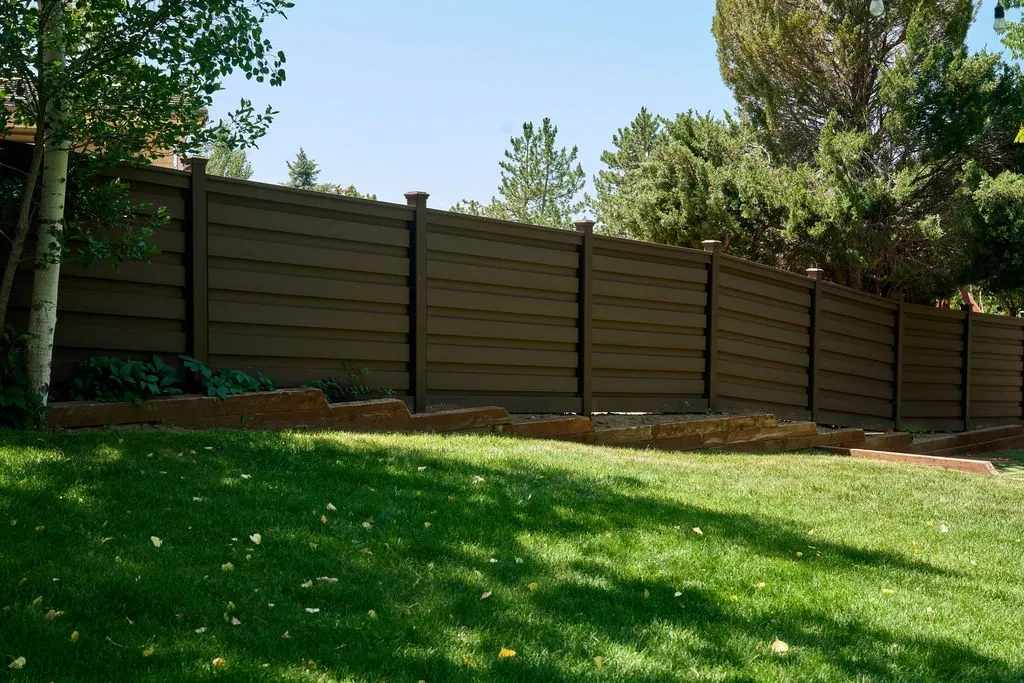
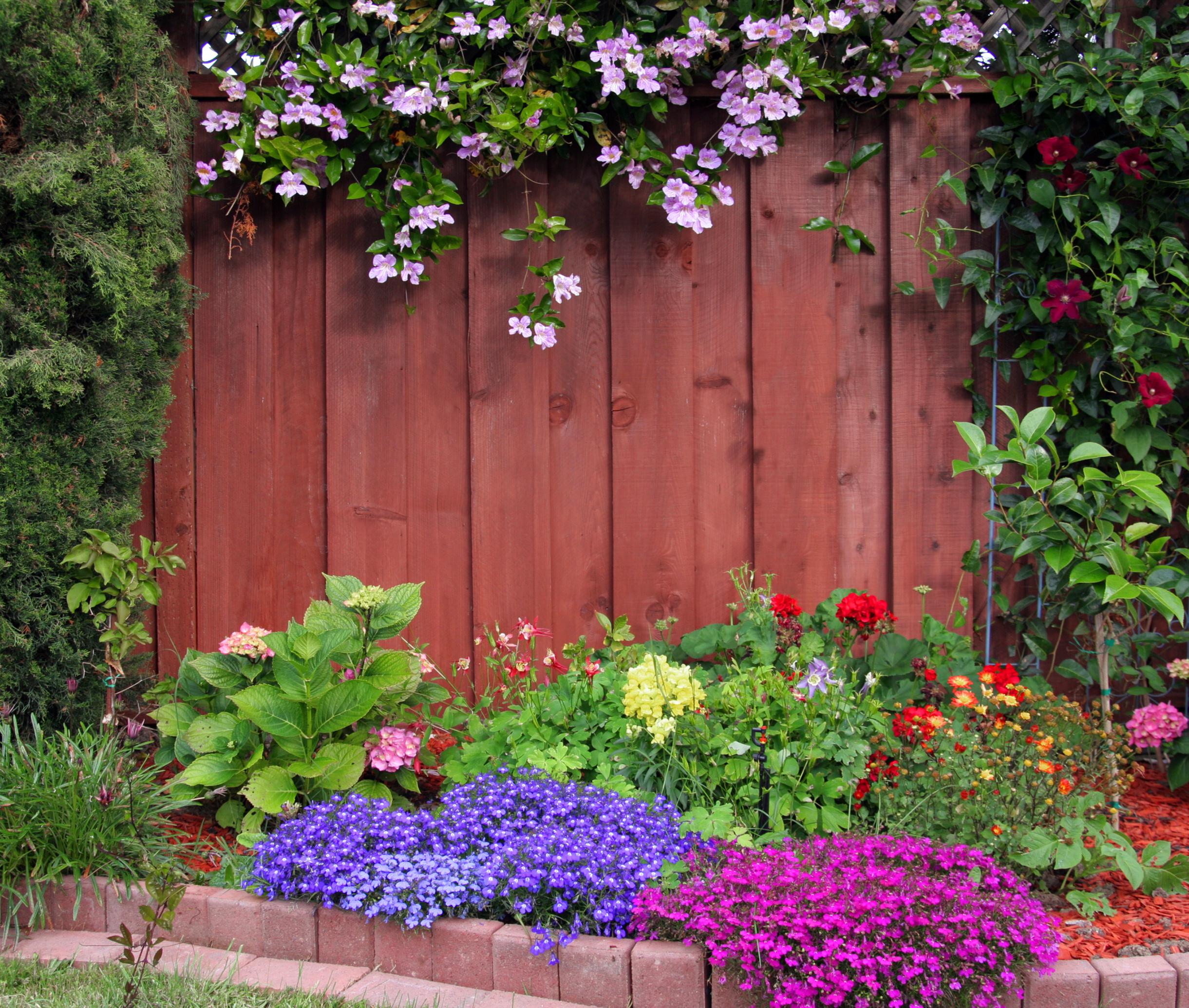
For farmers in Media, PA, choosing the right agricultural fencing is more than a boundary decision, it’s a strategy for balancing livestock safety, crop protection, and long-term property management. Proper farm fencing ensures animals remain secure while sensitive crops are shielded from accidental damage. Homeowners and farm managers often turn to experienced providers like Top Rail Fence Media for guidance on which materials and installation techniques suit their unique farm layouts.
Selecting durable and adaptable fencing is crucial. Amish fence options and modern chain link fence installation provide different levels of strength, visibility, and longevity. Understanding the distinctions allows Media farmers to make informed decisions that protect both their investment and their daily operations.
Why Agricultural Fencing Is Critical for Media Farms
Farmers in Media, PA face unique challenges. Open pastures, diverse livestock, and seasonal crop rotations demand fencing solutions that are resilient and versatile. A well-planned agricultural fencing system supports the farm’s workflow while reducing risks of injury or crop damage.
Protecting Livestock and Property
One of the primary reasons farmers invest in farm fencing is to create secure zones for livestock. Horses, cows, and smaller animals like goats require boundaries that prevent escapes while allowing visibility for monitoring. Amish fence designs are particularly effective for larger pastures, offering traditional aesthetics with exceptional sturdiness.
At the same time, fencing helps shield sensitive crops from wandering animals. A combination of high-visibility panels and reinforced posts ensures both animals and plants are safe throughout the growing season.
Customizing Fencing for Farm Needs
Every farm has different priorities. Some areas may need robust chain link fence installation to secure storage areas or machinery, while paddocks benefit from amish fence sections that balance strength with visual appeal. Top Rail Fence Media specializes in creating mixed-fencing layouts that combine residential fencing durability with agricultural functionality, ensuring each property meets its specific demands.
Comparing Popular Agricultural Fencing Options
Choosing the right fencing material directly impacts durability, maintenance, and farm operations.
Amish Fences for Strength and Style
Amish fence systems are known for their traditional, handcrafted quality. Farmers often select these fences for pastures or areas where aesthetics and durability both matter. They resist splintering, handle heavy livestock impact, and can be tailored to various heights and lengths.
Chain Link Fence Installation for Versatility
For security-focused areas, chain link fence installation offers a budget-friendly and low-maintenance option. Farms with storage units, equipment yards, or high-traffic zones benefit from chain link fencing because it provides long-term protection while remaining functional in diverse conditions.
Standard Farm Fencing for Everyday Use
For general farm fencing, galvanized steel or treated wood posts combined with wire or mesh create affordable, flexible solutions. These fences perform well across different terrains, and routine inspection ensures ongoing livestock safety and crop protection.
According to guidance from a University of Georgia Extension resource on farm fencing, careful planning and material selection help ensure long-lasting performance.
Installation Considerations for Long-Term Success
Even the best fencing materials underperform if not installed properly. Professional agricultural fencing installation ensures posts are secure, panels align correctly, and gates operate smoothly. Factors like soil type, slope, and drainage are critical for longevity.
Site Preparation and Layout
Proper planning begins with mapping fence lines, removing obstacles, and confirming property boundaries. Uneven terrain or rocky soil may require specialized digging equipment, particularly for chain link fence installation. Ensuring post depth meets local frost line requirements is essential for stability over decades.
Regular Maintenance for Longevity
Farm fencing requires routine inspections to identify loose posts, broken panels, or areas affected by weather. Preventive maintenance preserves fence integrity, reduces costly repairs, and keeps both animals and crops safe. Top Rail Fence Media often recommends seasonal checks, especially before planting or grazing periods.
Balancing Livestock Needs and Crop Protection
The best fencing strategy creates zones for animals while protecting valuable crops. Many Media, PA farmers adopt mixed approaches: robust amish fence for pastures, wire farm fencing for vegetable areas, and occasional chain link fence installation for security-sensitive zones. This combination maximizes farm productivity without sacrificing safety or aesthetics.
By considering fencing materials, layout, and installation quality, farmers can reduce the time and effort spent managing livestock movement or crop damage.
Why Media Farmers Trust Top Rail Fence Media
For local agricultural projects, Top Rail Fence Media delivers expertise in both material selection and professional fence installation. Farmers rely on their experience to create balanced fencing solutions that combine residential fencing durability with agricultural practicality. With guidance from the franchise, farms benefit from long-lasting, low-maintenance systems that protect animals, crops, and investment.
For personalized advice or to start planning a new fencing project, visit the Contact Us page to connect directly with Top Rail Fence Media specialists who understand the unique needs of Media, PA farms.