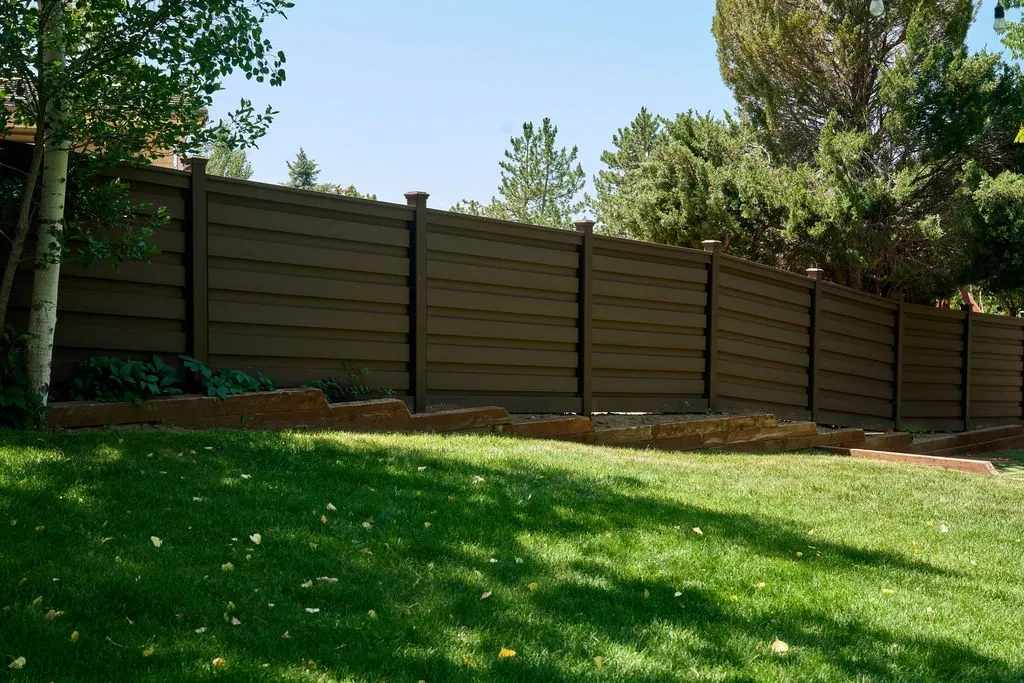
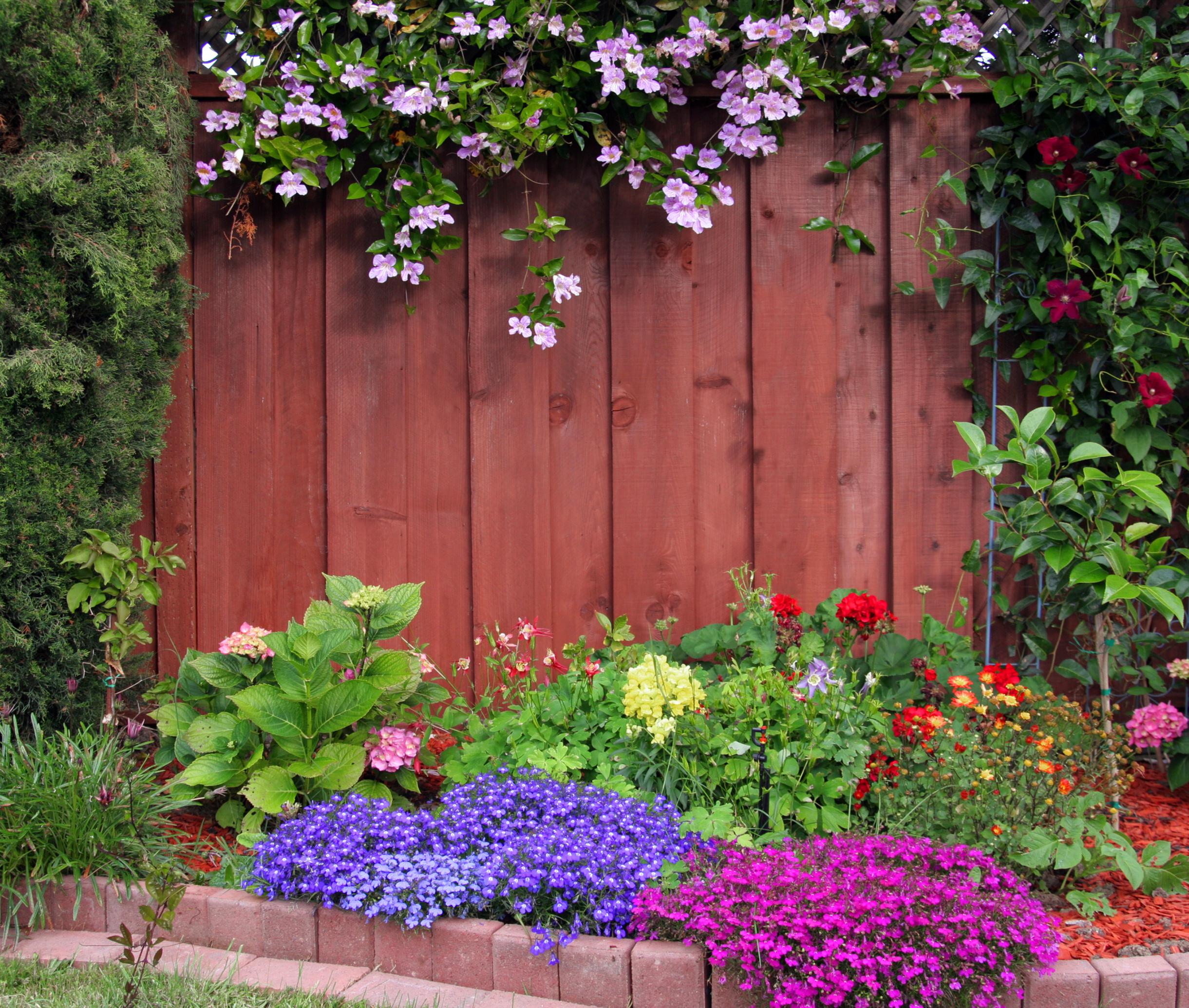
Homeowners in Media, PA often notice subtle differences in how their yards feel depending on sunlight exposure. What surprises many is how residential fencing responds to those same conditions. A fence section exposed to full afternoon sun may age differently than another portion resting under tree cover. For homeowners planning residential fencing, understanding how vinyl fence installation reacts to sun and shade can help protect appearance and long-term performance. Many local homeowners begin by reviewing Top Rail Fence Media to see how fencing systems are designed for neighborhood-specific conditions.
While vinyl is known for durability, sun exposure, shade retention, and airflow all play roles in how fencing behaves over time. Knowing these factors early helps homeowners make smarter design and placement decisions.
How Sun Exposure Influences Residential Fencing Performance
Sunlight affects more than just surface temperature. It can influence color retention, expansion, and overall comfort around outdoor spaces.
Heat Absorption and Panel Stability
Sections of residential fencing exposed to prolonged sunlight may warm more quickly during peak hours. Quality vinyl fence installation accounts for this by allowing proper spacing and post depth to prevent stress on panels. Without correct installation techniques, temperature fluctuations can cause minor shifts that affect alignment.
Color Consistency in High-Sun Areas
Modern vinyl fence materials are engineered to resist fading, but constant UV exposure can still impact appearance over many years. Choosing UV-stabilized vinyl helps maintain a consistent look across sun-heavy sections of the yard.
Why Shade Creates a Different Set of Challenges
Shaded areas introduce moisture retention and airflow considerations that also affect residential fencing.
Moisture and Airflow Balance
Shaded fence sections often stay cooler and damper, especially near landscaping or tree lines. While vinyl does not absorb moisture like wood, poor airflow can encourage surface buildup from dirt and organic debris. Proper spacing during vinyl fence installation improves ventilation and keeps shaded areas cleaner.
Tree Cover and Organic Debris
Leaves, pollen, and sap tend to collect in shaded zones. Homeowners using privacy fence designs near tree lines should plan for periodic rinsing to maintain appearance.
Design Choices That Help Balance Sun and Shade Differences
Fence design plays a major role in how residential fencing performs across varied yard conditions.
Panel Style and Orientation
Solid panels offer excellent privacy but can trap heat in sun-facing sections. Alternating designs or subtle spacing features can reduce heat buildup without compromising privacy. Many homeowners explore vinyl fence styles mid-planning to compare how different layouts perform across mixed exposure zones.
Post Placement and Soil Considerations
Sun-exposed soil dries faster, while shaded soil retains moisture longer. Experienced installers adjust post depth and anchoring techniques accordingly. This attention to detail helps maintain consistent fence alignment throughout the yard.
Homeowners who work with Top Rail Fence Media often appreciate how these local installation adjustments prevent uneven performance across the same property.
What Certified Research Says About Sun Exposure and Outdoor Materials
According to the National Weather Service, prolonged UV exposure affects outdoor materials differently depending on orientation, shade patterns, and daily temperature shifts. Understanding localized UV intensity helps homeowners anticipate how outdoor structures respond over time.
This information reinforces why thoughtful residential fencing planning matters in mixed sun and shade environments.
Maintenance Strategies for Mixed-Exposure Fences
Even low-maintenance materials benefit from simple care routines.
Cleaning Sun-Facing Sections
Sun-exposed areas typically collect dust and airborne particles. A light rinse with mild soap helps preserve surface finish and appearance.
Monitoring Shaded Areas
Shaded sections should be checked periodically for organic buildup. Gentle cleaning prevents discoloration and keeps the fence looking uniform.
Why Installation Quality Matters More Than Exposure Alone
Material quality is only part of the equation. Even the best vinyl fence installation can underperform if installation shortcuts are taken.
Alignment and Expansion Allowances
Professionally installed residential fencing accounts for seasonal expansion and contraction. This prevents warping or gaps between panels.
Long-Term Structural Consistency
Correct post placement ensures that both sunlit and shaded sections remain stable year after year. This consistency becomes especially noticeable as fences age.
Homeowners who partner with Top Rail Fence Media often notice fewer long-term adjustments compared to fences installed without local expertise.
When Homeowners Start Noticing the Difference
Many homeowners only realize how sun and shade affect fencing after living with it.
Visual Uniformity Across the Yard
A well-planned vinyl fence maintains a consistent appearance regardless of exposure differences. This uniformity enhances curb appeal and backyard aesthetics.
Comfort and Usability
A properly designed privacy fence improves comfort by reducing glare, blocking wind, and creating balanced outdoor spaces.
Why Residential Fencing in Media Requires Thoughtful Planning
In Media, PA, yards often include a mix of open lawn and mature trees. That combination makes residential fencing performance dependent on both design and installation quality. Thoughtful vinyl fence installation ensures that sunlit and shaded sections age evenly and perform as expected.
For homeowners ready to plan or upgrade, the next step is connecting through the Contact Us page to work with local fencing professionals who understand Media’s unique outdoor conditions.