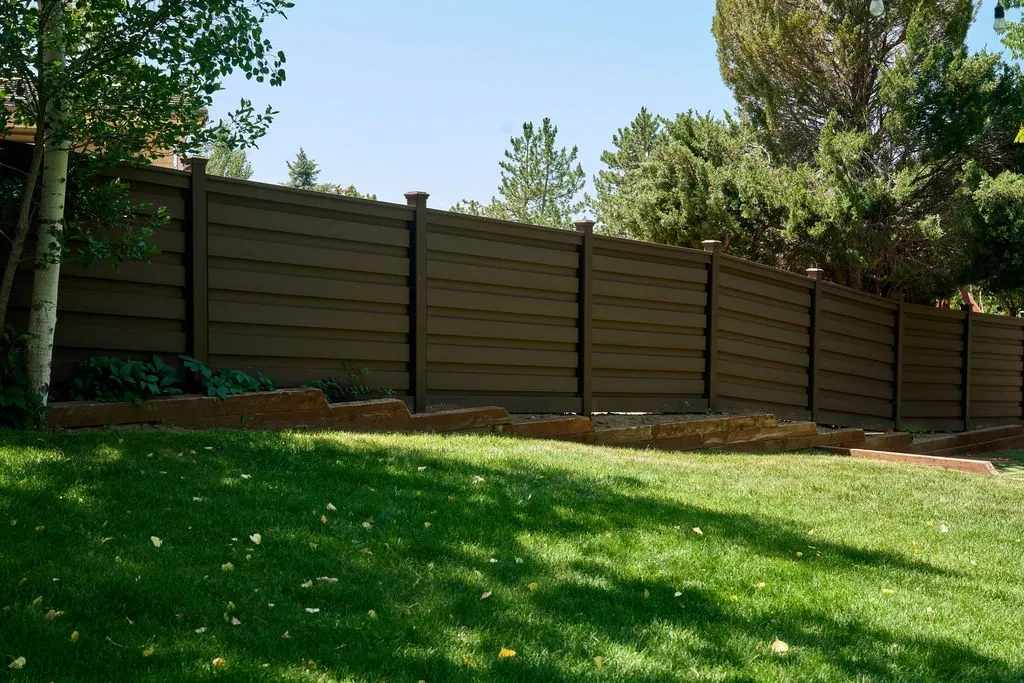
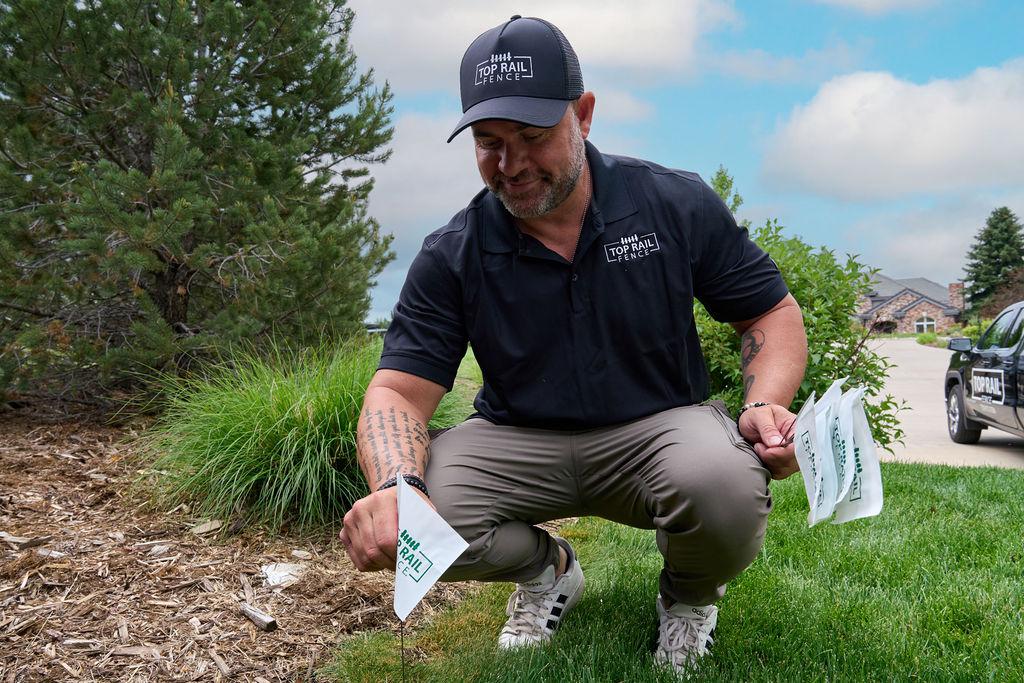
Homeowners in Media, PA often notice that different areas of their yard receive varying levels of sunlight throughout the day. Some sections remain shaded by mature trees, while others face direct afternoon sun. This natural contrast raises an important question: will vinyl fencing age differently depending on exposure? If you are planning a new project, visiting the Media location page can help you understand how local conditions influence material performance. According to Top Rail Fence Media, high-quality vinyl fencing is engineered to perform consistently in both sun and shade, but exposure levels can influence appearance over time.
This interactive exposure guide will walk you through what to expect and how to choose the best solution for your property.
Understanding Sun Exposure in Media
The climate in Media, PA, includes warm summers, cold winters, and a mix of sunny and shaded residential lots. Sunlight contains ultraviolet rays that can gradually affect exterior materials.
Full Sun Areas
Sections of your yard that receive prolonged direct sunlight experience higher surface temperatures. Premium vinyl fencing is manufactured with UV inhibitors that help prevent fading and brittleness. When installed correctly, the material maintains its structure and color integrity even after years of exposure.
Shaded Zones
Shaded areas may stay cooler and avoid prolonged UV exposure, but they can retain more moisture. This is where vinyl fencing excels compared to wood, as it does not absorb water or promote rot. For homeowners exploring long-term fence options, vinyl remains one of the most reliable materials in both environments.
The Aging Test: What Changes and What Stays the Same
To determine whether your fence will age differently in sun versus shade, consider these factors.
Color Retention
High-quality vinyl fencing is designed to maintain color consistency across panels. While sun-facing sections may experience minimal lightning over many years, the change is typically subtle and uniform. Professional vinyl fence installation ensures panels are evenly spaced and aligned to minimize visual inconsistencies.
Structural Integrity
Exposure to heat can cause expansion and contraction. Proper vinyl fence installation accounts for this natural movement, allowing panels to adjust without warping. In shaded areas, moisture resistance becomes more important, and vinyl’s nonporous surface prevents swelling or deterioration.
Homeowners who want to compare styles and durability can explore vinyl fencing solutions to evaluate available fence options suited for different yard conditions.
Choosing the Right Residential Fencing for Mixed Exposure
Every yard is unique, and many properties in Media, PA, feature both sunny and shaded sections. Selecting the appropriate residential fencing design helps ensure consistent performance.
Lighter Colors for High Sunlight
Lighter shades reflect more sunlight, reducing heat absorption. If your yard receives strong afternoon sun, lighter vinyl fencing tones may maintain their appearance longer while enhancing curb appeal.
Privacy Panels vs. Open Designs
Solid privacy panels provide maximum coverage but may absorb more heat in direct sun. Open picket styles allow airflow, which can help regulate temperature. When evaluating fence options, consider how each style interacts with your yard’s exposure pattern.
Maintenance Tips for Sun and Shade
Even though vinyl fencing requires minimal upkeep, a few simple habits can extend its lifespan.
Routine Cleaning
Sun-exposed panels may accumulate dust or pollen, while shaded sections may collect debris from nearby trees. Washing your fence periodically keeps it looking fresh in both conditions.
Seasonal Inspections
After winter or heavy storms, inspect your residential fencing for alignment and stability. Professional support from Top Rail Fence Media ensures that any adjustments are handled promptly and effectively.
According to the American Chemistry Council’s Plastic Division, vinyl products are formulated to withstand diverse environmental conditions, making them suitable for varied climates and exposure levels.
Why Professional Installation Matters
Exposure differences in sun and shade highlight the importance of expert craftsmanship. A skilled team understands how to account for soil type, drainage, and temperature shifts.
With professional vinyl fence installation from Top Rail Fence Media, posts are anchored securely, and panels are installed with proper spacing to allow natural expansion and contraction. This precision protects your vinyl fencing investment regardless of exposure conditions.
Comparing Fence Options for Long-Term Value
When weighing different fence options, durability and maintenance are key considerations. Wood may fade quickly in full sun and deteriorate faster in shaded, moisture-prone areas. Metal can heat up significantly under direct sunlight.
In contrast, vinyl fencing balances resilience and visual appeal. As a versatile residential fencing solution, it adapts well to the varied exposure patterns common in Media, PA, neighborhoods.
Final Verdict: Will Sun and Shade Create Noticeable Differences?
In most cases, high-quality vinyl fencing will age consistently across your property. Minor variations in brightness may occur over extended periods, but structural integrity and overall appearance remain strong when materials are properly manufactured and installed.
If you are planning a project and want expert guidance tailored to your yard’s unique exposure, connect with Top Rail Fence Media through the Contact Us page. Their team can evaluate your property, recommend the best residential fencing solution, and ensure professional vinyl fence installation that stands up to both sun and shade.
With the right materials and experienced installation, your vinyl fencing will continue to enhance your home’s beauty and performance for years to come, no matter how the sunlight moves across your yard.