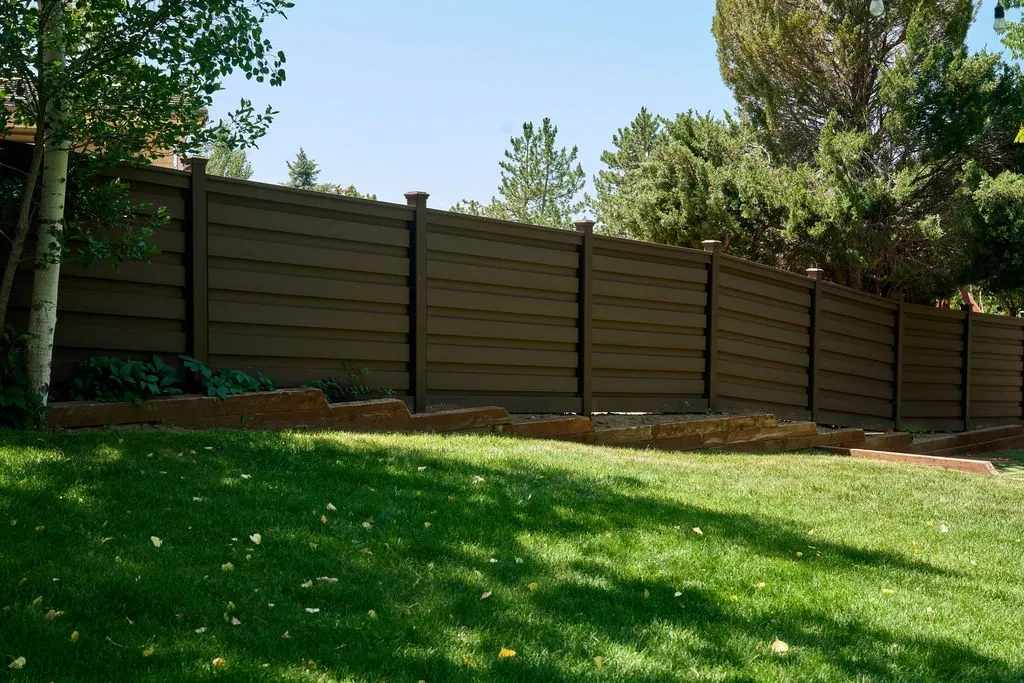
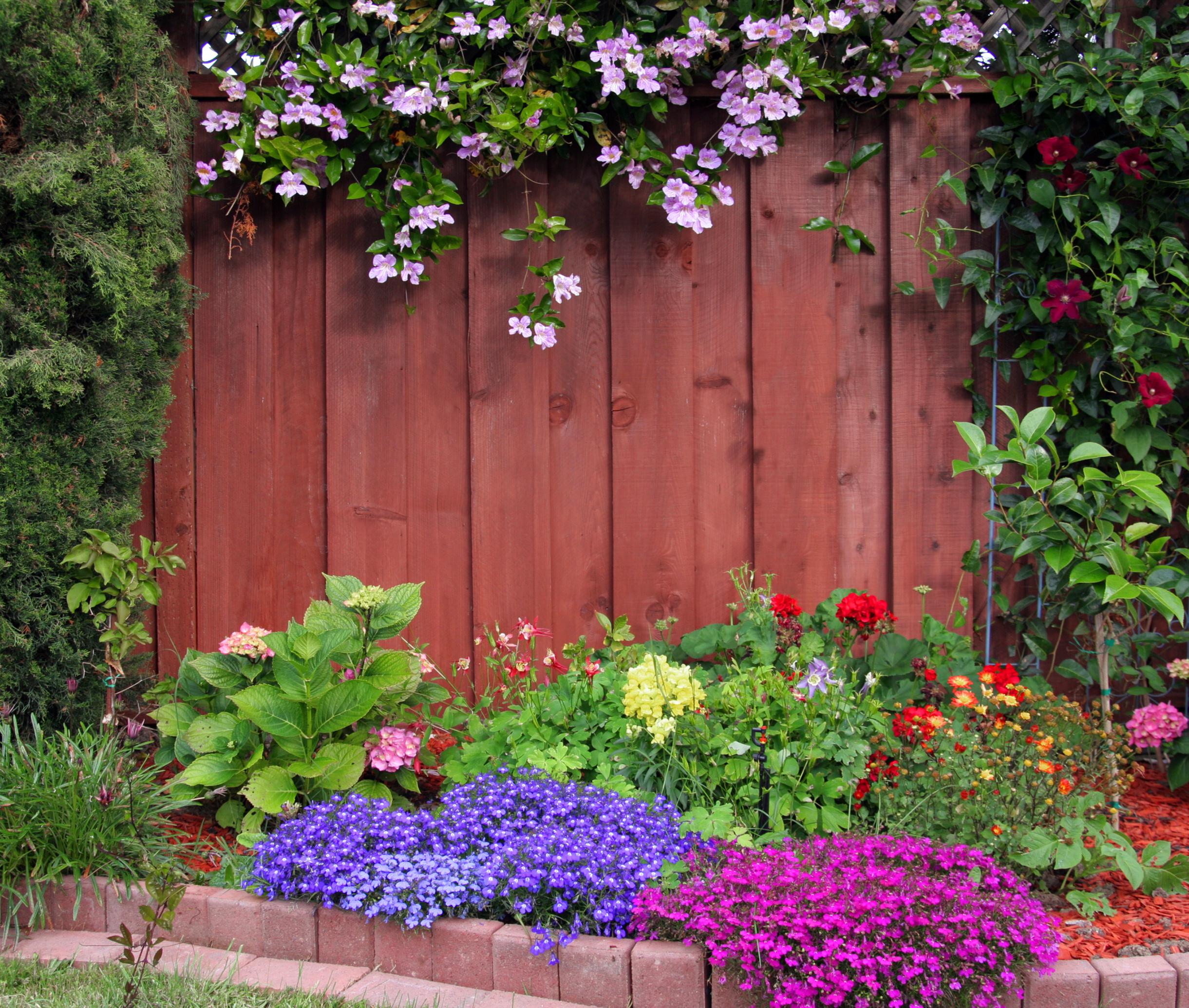
In Media, PA, changing seasons bring humidity, rainfall, and freeze-thaw cycles that can slowly impact wood fencing. While natural wood adds warmth and character to a property, moisture exposure can quietly lead to warping, twisting, or structural instability if left unchecked. With guidance from Top Rail Fence Media, you can learn how to inspect your fence and determine whether minor adjustments or professional wood fence installation updates are needed.
This self-inspection guide walks you through the key warning signs that your wood fencing may be reacting to moisture.
Why Moisture Is the Hidden Challenge for Wood Fencing
Wood is a natural material that expands when it absorbs moisture and contracts as it dries. In climates like Media, PA, repeated wet and dry cycles can gradually change the shape and stability of fence boards.
Expansion and Contraction
When wood fencing absorbs water during rainy periods, boards may swell. As temperatures rise and the wood dries, shrinking occurs. Over time, this movement can cause subtle bending or separation between boards.
Soil Saturation Around Posts
Moisture not only affects panels. It can also impact the stability of posts set in the ground. If soil remains saturated for extended periods, even well-planned wood fence installation projects may experience shifting or leaning.
Step One: Visual Alignment Check
A quick visual scan is often the first step in identifying early warping.
Look for Uneven Lines
Stand at one end of your fence and look along the top rail. Does it appear straight and level? Minor dips or curves may indicate that sections of your wood fencing have begun to warp.
Inspect Board Spacing
Consistent spacing between boards is a hallmark of quality residential fencing. If you notice widening gaps or boards pressing tightly together, moisture fluctuation could be the cause.
Step Two: Hands-On Board Assessment
Physical inspection reveals more than a visual check alone.
Check for Soft Spots
Press gently on boards near the bottom where moisture exposure is highest. Softness can indicate early stages of decay. Addressing this early helps preserve the integrity of your wood fencing.
Examine Fasteners
Nails or screws that appear raised may signal that boards have shifted. Proper wood fence installation accounts for seasonal movement, but prolonged moisture can still loosen hardware over time.
Homeowners exploring solutions often compare their current fence with updated wood fencing options to determine whether repairs or partial replacements make sense.
Step Three: Post Stability Test
Posts are the backbone of any residential fencing system.
Gentle Pressure Test
Push lightly against a fence post. Excessive movement may suggest soil erosion or internal wood deterioration. Posts exposed to repeated moisture without proper drainage are especially vulnerable.
Base Inspection
Look for cracks or splitting near ground level. This is where moisture exposure is most concentrated in Media, PA yards.
Environmental Factors That Increase Warping Risk
Certain conditions make moisture-related changes more likely.
Poor Drainage
If water pools along your fence line, it increases the likelihood of swelling and long-term distortion. Redirecting runoff can significantly extend the lifespan of wood fencing.
Lack of Protective Treatment
Sealants and stains slow moisture absorption. According to research from the Forest Products Laboratory, proper treatment and maintenance play a major role in reducing wood expansion and decay in outdoor structures.
When to Consider Professional Evaluation
Not all warping requires full replacement. However, certain signs indicate it may be time to consult a professional fence company.
Persistent Leaning
If sections continue shifting despite minor adjustments, structural reinforcement may be needed.
Extensive Board Twisting
Multiple twisted boards across a panel often signal a deeper moisture imbalance. In these cases, a professional wood fence installation update may restore both function and appearance.
Homeowners in Media, PA often turn to Top Rail Fence Media for expert guidance on whether targeted repairs or full panel replacement is the most cost-effective solution.
Preventive Care for Long-Term Stability
Routine maintenance helps protect your investment in residential fencing.
Improve Drainage
Ensure soil slopes slightly away from fence posts to reduce standing water.
Apply Protective Finishes
Regular sealing creates a moisture barrier that slows expansion and contraction cycles in wood fencing.
Schedule Periodic Inspections
Even a quick seasonal check can catch minor warping before it progresses.
The Value of Quality Installation
While maintenance matters, initial craftsmanship plays a significant role in long-term performance. Working with a reputable fence company ensures posts are set at the correct depth and spacing to minimize moisture impact.
Top Rail Fence Media understands local soil conditions and climate patterns in Media, PA, allowing their team to approach each wood fence installation with durability in mind.
Knowing When to Act
Small imperfections are common in natural wood, but noticeable structural changes should not be ignored. Warping can gradually compromise the safety and appearance of your wood fencing if left unaddressed.
If your self-inspection reveals concerns, consider reaching out through the Contact Us page to connect with Top Rail Fence Media. Their experienced team can evaluate your residential fencing, recommend appropriate solutions, and ensure your property remains secure and visually appealing.
By staying proactive and understanding how moisture affects wood fencing, homeowners in Media, PA can preserve both the beauty and structural integrity of their fences for years to come.