Industrial properties across Northern Detroit invest heavily in security systems, lighting, and surveillance. Yet one critical detail in commercial fencing projects is frequently underestimated: transition points. These are the corners, grade changes, gate tie-ins, and material shifts where different fence sections meet. While perimeter length and height often receive the most attention, these subtle connection areas determine how well a system performs over time. Property owners working with Top Rail Fence Northern Detroit often discover that refining these overlooked details significantly improves durability, safety, and long-term value.
Why Transition Points Matter in Industrial Settings
Industrial sites rarely feature perfectly flat or symmetrical layouts. Loading docks, utility corridors, and storage yards create complex boundaries that demand careful planning during commercial fence installation.
Corners and Directional Changes
Every corner introduces tension and structural stress. Without reinforced posts or proper bracing, corners may begin to lean or pull away from adjoining sections. In high-wind environments or heavy-use facilities, this can weaken the entire commercial fencing line.
Reinforced corner assemblies distribute force more evenly. A professional fencing company will evaluate corner loads early in the design process rather than treating them as simple directional shifts.
Changes in Elevation
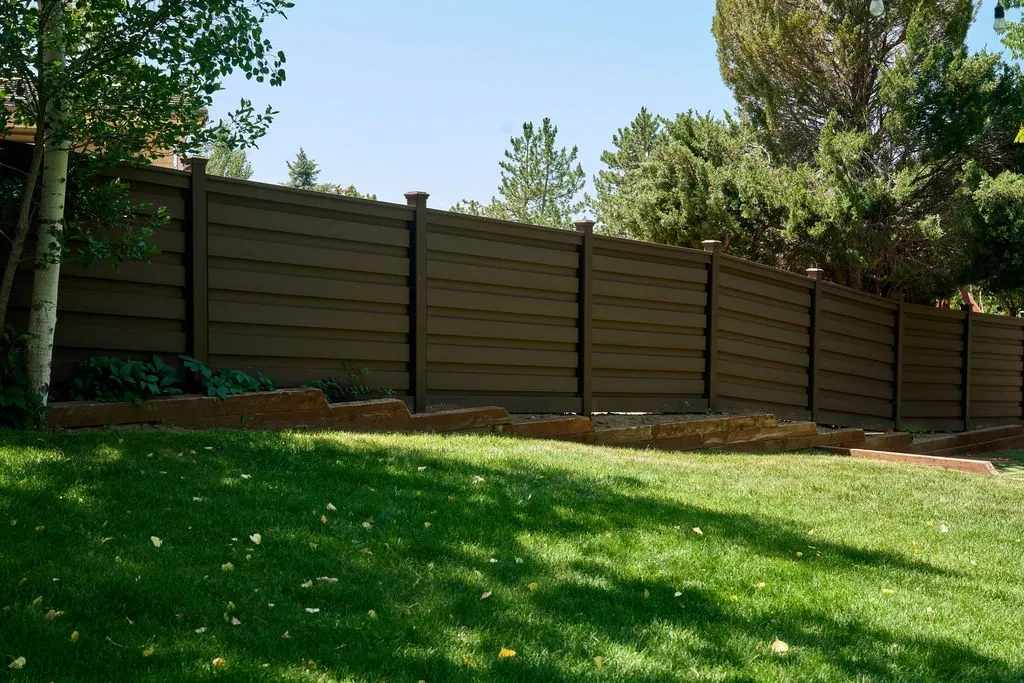
Sloped terrain is common in Northern Detroit, especially on redeveloped industrial land. If installers fail to adjust panel alignment to match grade variations, gaps can appear beneath the fence line. These gaps create security vulnerabilities and compromise the purpose of commercial fencing.
Stepped or racked panel systems allow fences to follow natural contours without sacrificing structural integrity. Addressing elevation shifts during commercial fence installation prevents costly modifications later.
Gate Integration as a Structural Priority
Gates are often viewed as access features rather than structural anchors. In reality, they represent one of the most demanding components of any commercial fencing system.
Load Distribution Around Gate Posts
Large industrial gates experience repeated opening cycles throughout the day. Each movement applies stress to the hinge and latch posts. If these posts are not reinforced beyond standard specifications, sagging or misalignment can occur.
During commercial fence installation, additional concrete depth and heavier gauge posts are frequently recommended for gate sections. This small adjustment significantly increases system longevity.
Matching Gate Design With Fence Materials
Facilities sometimes combine chain link perimeters with screening or solid panels near sensitive areas. When these materials meet at gate locations, improper transitions can weaken connections. Thoughtful integration ensures that gates maintain the same security rating as the surrounding commercial fencing.
Screening and Visibility Considerations
Another detail industrial managers may overlook involves the balance between visibility and privacy.
Strategic Use of Privacy Sections
In areas facing public streets or adjacent properties, privacy fence installation may be required to shield equipment, dumpsters, or inventory from view. However, transitioning from open fencing to solid panels requires structural adjustments.
Solid panels create greater wind resistance. If not properly reinforced, posts can shift under pressure. A knowledgeable fencing company evaluates wind load exposure before recommending privacy materials within a larger commercial fencing plan.
Midway through evaluating perimeter improvements, many facility managers review guidance on commercial fencing options to better understand how mixed-material systems should be engineered for industrial environments.
Maintaining Security Camera Sightlines
Excessive screening may interfere with surveillance coverage. Coordinating privacy fence installation with camera placement ensures that security remains uncompromised. Small design changes at transition zones can preserve clear lines of sight while maintaining visual barriers.
Soil Preparation and Post Depth
Beneath every fence lies another overlooked detail: subsurface conditions. Industrial properties in Northern Detroit often sit on previously disturbed soil.
Accounting for Compacted Fill
Former manufacturing sites frequently contain compacted or layered fill material. Standard post installation depths may not provide adequate stability in these conditions. Thorough soil assessment supports stronger commercial fencing foundations.
Increasing post depth or widening concrete footings during commercial fence installation reduces the likelihood of leaning or frost heave over time.
Addressing Freeze-Thaw Cycles
Michigan’s climate introduces repetitive freeze-thaw cycles that impact post-stability. According to the Federal Emergency Management Agency, frost movement can significantly affect improperly installed structures. Installing posts below the frost line and using appropriate backfill materials protects commercial fencing from seasonal shifting.
Hardware and Fastener Selection
Even the strongest fence materials can fail if hardware components are overlooked.
Corrosion-Resistant Connections
Industrial zones experience exposure to moisture, pollutants, and road treatments. Choosing galvanized or coated fasteners during commercial fence installation prevents premature corrosion. This small detail often determines whether a fence lasts decades or requires early replacement.
Reinforced Tension Systems
For chain link applications, tension bands and rails must be properly secured at transition points. Weak connections can create sagging sections that reduce the effectiveness of commercial fencing. Professional installation ensures that tension systems remain consistent across varying sections.
Planning for Operational Expansion
Industrial facilities evolve. Additional storage, new loading bays, or reconfigured traffic patterns can require perimeter adjustments.
Designing for Future Tie-Ins
An experienced fencing company anticipates expansion during the initial design phase. Leaving adaptable connection points allows new fence sections to integrate seamlessly without dismantling large portions of existing commercial fencing.
Avoiding Piecemeal Additions
When expansion is not anticipated, mismatched materials or inconsistent post spacing may weaken structural continuity. Coordinated planning avoids these inconsistencies and preserves a cohesive perimeter system.
Compliance and Liability Factors
Transition details also affect regulatory compliance and risk management.
Meeting Height and Screening Requirements
Municipal codes in Northern Detroit may specify screening or setback rules for industrial properties. Failing to integrate these standards at connection points can result in inspection delays. Careful documentation during commercial fence installation supports compliance from the outset.
Reducing Liability Risks
Gaps at grade changes or loose panels near gate tie-ins can pose safety hazards. Addressing these minor issues during installation strengthens the protective function of commercial fencing and reduces potential liability concerns.
Throughout each phase of planning and execution, Top Rail Fence Northern Detroit emphasizes attention to detail at transition zones. By focusing on these critical intersections, businesses gain stronger, more reliable perimeter systems tailored to Northern Detroit conditions.
Industrial managers who want to ensure no detail is overlooked can Contact Us to schedule a consultation with Top Rail Fence Northern Detroit. With thoughtful planning, precise commercial fence installation, and strategic privacy fence installation, your commercial fencing investment becomes a resilient, long-term safeguard supported by an experienced fencing company committed to lasting performance.