In Northern Detroit, winter conditions play a direct role in how metal fencing is planned, positioned, and built. Snow does not simply melt and disappear. It is pushed, piled, stored, and refrozen for months at a time. At Top Rail Fence Northern Detroit, snow storage zones are one of the most important factors influencing fence layout decisions for residential and commercial properties.
Understanding Snow Storage Zones in Urban Neighborhoods
Snow storage zones are designated as informal areas where plowed snow accumulates throughout winter.
Where Snow Is Typically Stored
In many Northern Detroit neighborhoods, snow is pushed toward curb lines, property edges, sidewalks, and easements. These areas experience repeated pressure from heavy snow loads and ice compaction.
Why These Zones Matter for Metal Fencing
Unlike warmer climates, fences here must account for shifting snowbanks. Poorly placed metal fencing can bend, loosen, or experience long-term structural stress when buried under seasonal snow.
How Snow Load Influences Fence Placement
Placement is just as critical as material choice when dealing with winter accumulation.
Setback Distance From Curbs
Fences installed too close to roadways face direct contact with plowed snow. Strategic setbacks allow metal fencing to remain clear of high-impact zones.
Allowing Space for Snow Expansion
Snow expands as it freezes and refreezes. Leaving clearance between fence panels and known snow storage areas reduces stress on posts and rails.
Metal Fencing Performance in Harsh Winter Conditions
Winter resilience is one reason metal fencing is widely used in Northern Detroit.
Structural Strength Under Pressure
Steel and aluminum systems handle heavy snow loads better than many alternative materials when properly installed.
Durability With Proper Installation
Professional metal fence installation ensures posts are anchored deep enough to withstand freeze-thaw cycles that shift soil throughout winter.
Choosing Metal Fence Designs That Work With Snow
Design choices significantly affect winter performance.
Open Panel and Picket Styles
Open metal fence designs allow snow to pass through rather than pile up. This reduces lateral pressure during plowing and melting cycles.
Avoiding Solid Barriers in Snow Zones
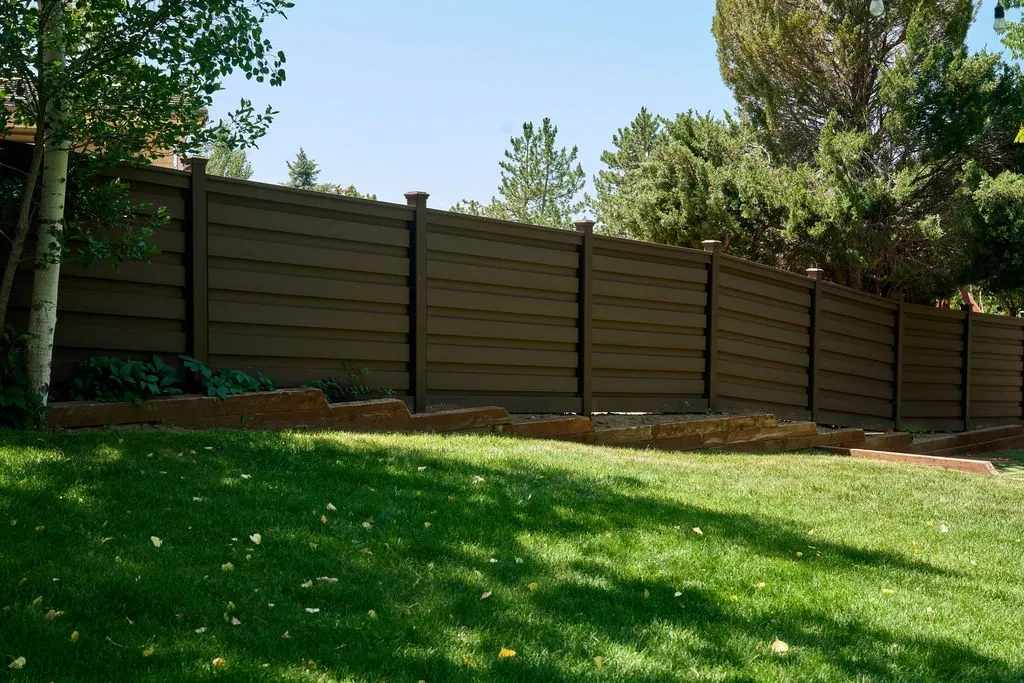
Solid or closely spaced panels trap snow, increasing weight and stress. In snow-heavy areas, open fence styles perform far better over time.
Installation Techniques That Protect Fences in Winter
Installation methods matter as much as material selection.
Post Depth and Footing Preparation
Deeper post placement helps metal fencing remain stable when frozen ground shifts. This is essential for long-term performance.
Adjusting Panel Height Near Snow Zones
Lower fence heights near sidewalks and driveways reduce contact with snow piles while still maintaining boundary definition.
Homeowners comparing options often review metal fence installation considerations to better understand how design and placement affect winter durability.
Visibility and Safety Around Snow Storage Areas
Snow impacts more than just structure.
Maintaining Sightlines
Tall fencing near driveways or sidewalks can block visibility once snowbanks rise. Thoughtful metal fencing placement helps maintain safe sightlines.
Reducing Ice Damage Risks
When fences are placed outside primary snow zones, ice buildup is less likely to press against panels or posts.
Local Guidelines and Snow Management Practices
Municipal snow removal policies influence fence decisions.
City Plowing Patterns
In Northern Detroit, plows follow consistent routes, creating predictable snow storage patterns. Planning around these patterns reduces fence damage.
Public Right-of-Way Considerations
The Michigan Department of Transportation provides general guidance on snow removal and right-of-way management, which affects fencing near roads and sidewalks. Their winter maintenance overview offers insight into how snow is handled across urban areas.
Long-Term Cost Benefits of Smart Placement
Proper placement protects investment value.
Fewer Repairs Over Time
Well-positioned metal fencing experiences less bending, leaning, and post movement after winter seasons.
Extended Fence Lifespan
Avoiding snow pressure zones helps preserve coatings and finishes, keeping metal fence designs looking clean and intact longer.
Why Local Expertise Makes the Difference
Every neighborhood handles snow differently.
Site-Specific Planning
At Top Rail Fence Northern Detroit, fence layouts are adjusted based on lot size, street access, and known snow storage behavior.
Balancing Design and Function
The goal is not just to install fencing, but to ensure metal fencing performs year after year without unnecessary maintenance.
Planning Your Metal Fence With Winter in Mind
Winter conditions should shape decisions early in the planning process.
Evaluate Snow Patterns Before Installation
Observing where snow naturally accumulates helps determine ideal fence placement and height.
Work With Experienced Installers
Professional metal fence installation ensures posts, panels, and spacing align with local winter demands.
When you are ready to discuss placement strategies and design options, reach out through the Contact Us page to review solutions tailored to your property.
By accounting for snow storage zones, homeowners in Northern Detroit can make smarter choices about metal fencing. With thoughtful placement, durable materials, and the right fence styles, fences remain strong, functional, and visually appealing despite harsh winter conditions. With guidance from Top Rail Fence Northern Detroit, winter becomes a design consideration rather than a costly problem.