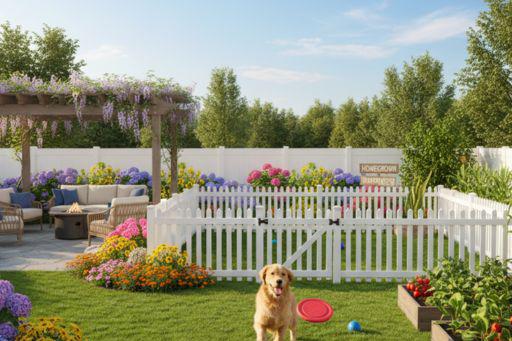
Modern farming in Northern Detroit is teaching landowners a new approach to agricultural fencing, one that prioritizes long-term planning over immediate needs. Farms are increasingly considering land layout, crop rotation, and access routes when designing fences, rather than focusing solely on livestock fencing. Thoughtful fence installation now incorporates durability, flexibility, and strategic positioning to protect both animals and property. For farmers seeking expert guidance, Top Rail Fence Northern Detroit provides local insights to ensure fencing solutions remain effective for decades.
The Shift From Livestock Containment to Land Strategy
Traditionally, agricultural fencing served primarily to contain cattle, sheep, or other livestock. While livestock fencing remains vital, Northern Detroit farms are using fencing as a tool for land management. By carefully planning fence construction, property owners can define pastures, protect high-value crops, and prevent machinery from crossing sensitive areas.
Smart fencing design now accounts for future expansion, soil conservation, and zoning regulations. Farm managers often install agricultural fence posts at standardized intervals to allow for modular extensions, making it easier to reconfigure boundaries as operations evolve. This approach reduces long-term costs and minimizes disruptions.
Why Strategic Fence Installation Matters
Proper fence installation is critical to the success of any farm fencing project. Poorly placed fences can restrict farm operations, cause erosion, or limit crop rotations. By aligning agricultural fencing with land contours, drainage patterns, and traffic flow, farmers maximize utility and minimize maintenance.
High-quality agricultural fence posts and materials designed for durability in Northern Detroit’s climate ensure fences withstand harsh winters, high winds, and heavy rainfall. Working with experts like Top Rail Fence Northern Detroit guarantees that installation is precise, reducing the likelihood of sagging or damage over time.
Choosing the Right Materials for Longevity
Material selection plays a crucial role in long-term fencing success. Common options include galvanized wire, treated wood, and composite posts. Each offers different benefits for agricultural fencing and livestock fencing:
- Galvanized wire: Rust-resistant and strong, ideal for livestock containment.
- Treated wood posts: Provide stability for heavy wire installations and long-term durability.
- Composite or PVC posts: Low-maintenance options for property boundaries where minimal upkeep is desired.
Farmers often blend materials to balance cost and functionality. For example, agricultural fence posts may be treated with wood at corners and gates, while galvanized wire spans the field. For more information about sustainable fencing materials, check out resources from the USDA on farm fencing.
Planning for Livestock and Crop Separation
Even when livestock are present, separation from crops is critical. Thoughtful agricultural fencing ensures animals remain in pastures without threatening sensitive crops or irrigation systems. Many Northern Detroit farms are adopting dual-purpose fencing layouts that accommodate both livestock movement and crop rotation.
By pairing high-quality livestock fencing with strategic fence installation, farmers protect investments and optimize land use. Properly planned fences also reduce the risk of accidental animal escape and potential liability.
The Importance of Post Placement and Spacing
Correct placement of agricultural fence posts affects fence stability, durability, and overall farm safety. Posts should be anchored in solid soil, spaced according to wire type and expected livestock pressure, and aligned to follow land contours.
Strategically positioned posts simplify maintenance and future expansion. Modular design allows farms to adjust pasture sizes, add new fields, or redirect livestock flow without major reconstruction. Top Rail Fence Northern Detroit frequently advises clients on optimal post spacing to balance cost, strength, and long-term adaptability.
Environmental and Regulatory Considerations
Modern farms in Northern Detroit are increasingly aware of the environmental impact of fencing. Proper agricultural fencing supports soil conservation, protects watercourses, and maintains wildlife corridors where required. Fences must also comply with local zoning and agricultural land use regulations.
Landowners can use fencing as a tool for sustainable farm management, enhancing both operational efficiency and environmental stewardship. Consulting with experts ensures that fences meet both regulatory standards and farm needs, making fence installation a strategic investment.
How Long-Term Planning Improves Farm Efficiency
When farms think beyond immediate needs, agricultural fencing can improve overall operational efficiency. Long-term fence placement minimizes labor required to move livestock, reduces soil degradation, and ensures crop areas remain protected.
Farms that partner with Top Rail Fence Northern Detroit benefit from professional guidance in aligning fence construction with long-term farm strategies. The result is a fence system that saves time, money, and effort while supporting sustainable farming practices.
Take the Next Step
For farmers and property owners in Northern Detroit looking to maximize the value of agricultural fencing, consulting with professionals is essential. Start by exploring our agricultural fencing services and reach out via our Contact Us page to schedule a consultation. With careful planning, high-quality agricultural fence posts, and expert fence installation, your farm’s fencing can support decades of productive, efficient, and sustainable operations.