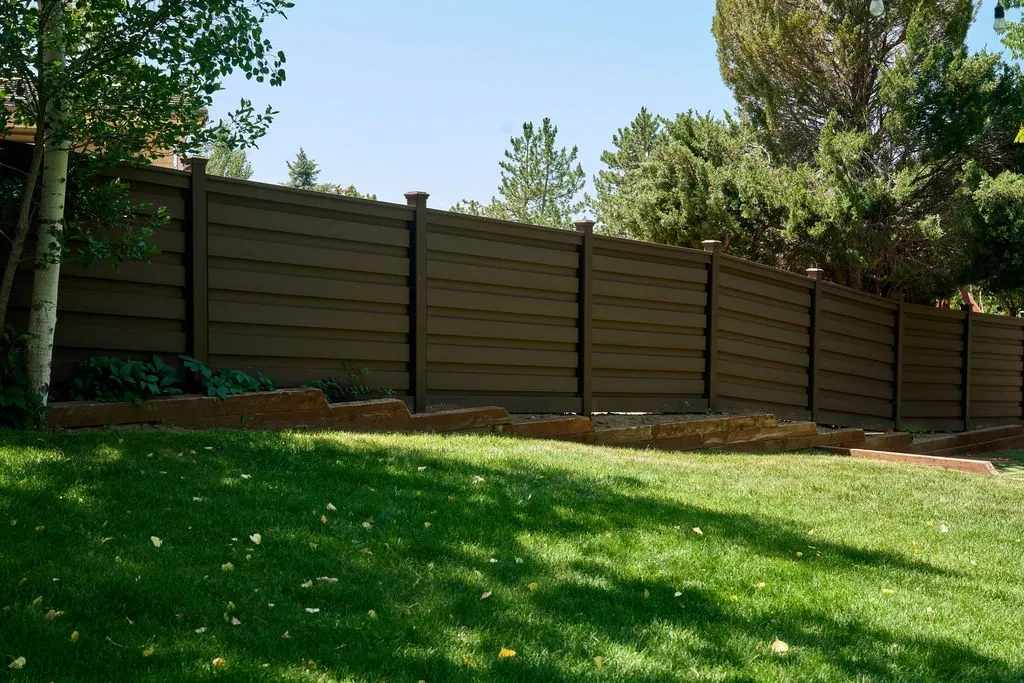
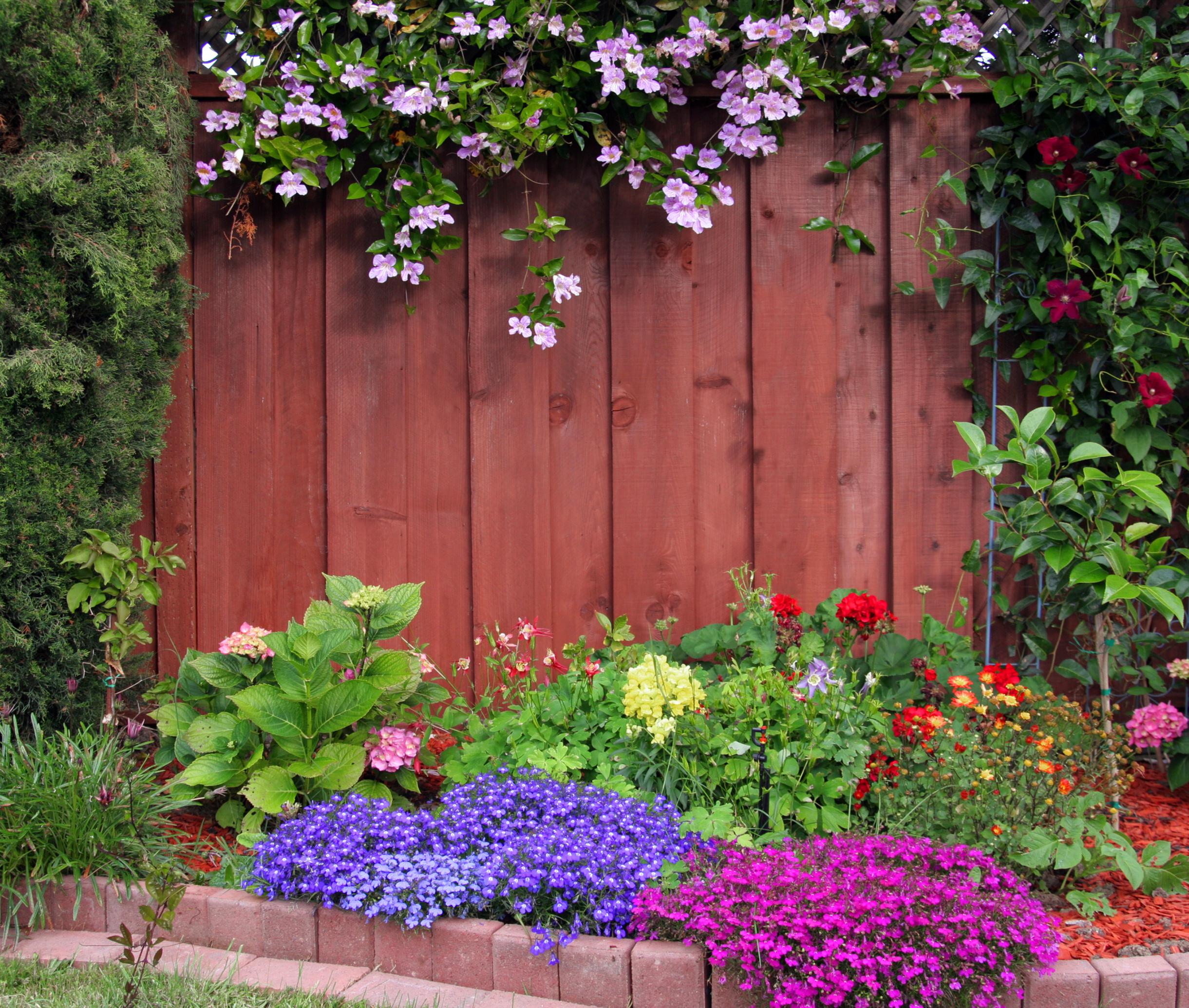
The way homeowners use their yards in Omaha often comes down to one overlooked decision: fence design. A fence is not just a boundary marker. It directly influences how outdoor spaces feel, function, and invite daily activity. From hosting gatherings to creating quiet retreat areas, the right design transforms a yard from unused space into a lived-in extension of the home.
Many homeowners begin this process by exploring layout and material options with Top Rail Fence Omaha, especially when they want their outdoor space to support real, everyday use rather than sit untouched.
Why Fence Design Affects Yard Behavior
A yard’s usability is shaped by how welcoming and defined it feels. Thoughtful fence design creates intentional zones, improves comfort, and encourages consistent use.
Creating Defined Activity Areas
When a fence frames a yard correctly, it naturally organizes the space. Homeowners begin to treat the yard as a destination rather than leftover land. Seating areas feel more private, play spaces feel safer, and gardens feel protected. This sense of structure encourages more frequent use throughout the year.
Without a clear boundary, yards often feel exposed or unfinished, which discourages relaxation and limits functionality.
Improving Comfort and Privacy
Privacy plays a major role in how often people use their yards. Strategic fence design controls sightlines without making spaces feel closed off. Taller panels, decorative spacing, and material choice all influence how comfortable homeowners feel spending time outdoors.
This is especially important in residential neighborhoods where yards are close together and visual separation matters.
How Fence Styles Shape Outdoor Experiences
Different fence styles support different lifestyle needs. Choosing the right one determines whether a yard becomes social, functional, or primarily visual.
Open Designs for Social Yards
Low or semi-open fence styles allow homeowners to enjoy their surroundings while still defining property lines. These designs work well for front yards and gathering spaces where visibility and openness are important.
When paired with thoughtful placement, open designs encourage interaction while maintaining clear boundaries.
Enclosed Designs for Functional Living
Fully enclosed styles support privacy, pet safety, and noise reduction. Many homeowners in Omaha prefer enclosed fencing for backyards where relaxation, entertaining, or family activities take place.
Midway through planning, homeowners often compare layout options and materials by reviewing the residential fence options from Top Rail Fence to see how different designs impact daily use.
Fence Installation and Yard Flow
Even the best fence design fails if the installation does not support movement and access.
Gate Placement and Movement Patterns
Gate locations affect how homeowners move through their yards. Poorly placed gates disrupt flow and reduce usability. Well-planned fence installation considers entry points from the home, driveway access, and how people naturally walk through the space.
Thoughtful placement encourages frequent, easy access rather than creating obstacles.
Aligning Fences With Landscaping
Fences that work with existing landscaping feel intentional and natural. Aligning panels with trees, patios, and walkways helps create a cohesive outdoor layout that invites use instead of limiting it.
This alignment also prevents wasted space and awkward corners that often go unused.
Residential Fence Design and Daily Habits
A residential fence does more than protect property. It influences how homeowners interact with their outdoor environment on a daily basis.
Encouraging Outdoor Living
When yards feel private and defined, homeowners are more likely to eat outside, relax after work, or let children play freely. The right fence design removes the mental barrier that keeps people indoors.
Over time, this changes daily routines and increases the overall value of outdoor space.
Supporting Long-Term Yard Use
Durable materials and thoughtful design ensure that yards remain usable year after year. According to guidance from This Old House, choosing fencing that balances durability with visual appeal is key to long-term satisfaction.
A fence that ages well continues to support active use rather than becoming a maintenance concern.
Designing With Omaha’s Environment in Mind
Local conditions influence how fencing performs and how yards are used.
Weather Considerations
Seasonal changes affect outdoor habits. Wind protection, snow management, and summer shade all factor into fence design decisions. Fences that account for these conditions help homeowners enjoy their yards across multiple seasons.
Neighborhood Layout Awareness
In Omaha, lot sizes and neighborhood layouts vary. Successful fencing reflects these differences rather than forcing a one-size-fits-all approach. Custom design ensures the fence complements both the yard and the surrounding homes.
Working With Local Fence Professionals
Local experience makes a measurable difference in results.
Design Guidance From Start to Finish
Top Rail Fence Omaha works with homeowners to design fencing that supports real usage rather than just visual appeal. From planning layouts to final installation, local expertise ensures the fence fits both lifestyle and property needs.
Turning Design Into Everyday Function
A well-designed fence encourages homeowners to actually use their yards. Over time, this transforms outdoor space into a meaningful extension of the home rather than unused square footage.
Making Your Yard Work Better Through Design
The way a yard gets used is rarely accidental. Intentional fence design, paired with proper fence installation, determines how comfortable, functional, and inviting outdoor spaces become.
Homeowners ready to rethink how their yards function can rely on Top Rail Fence Omaha for expert guidance and tailored solutions. To begin designing a fence that truly enhances daily living, visit the Contact Us page and schedule a consultation today.