Deciding on fence installation for your property in Omaha involves more than choosing a material and picking a style. Proper preparation ensures the job goes smoothly, meets local requirements, and delivers lasting value. Whether you're planning metal fence installation, wood fence installation, or vinyl fence installation, careful groundwork can save time, cost, and headaches later.
At Top Rail Fence Omaha, we guide homeowners through every phase of the process, from layout and permits to final inspection, so your fence installation is as stress-free as possible.
Evaluate Your Property & Site Conditions
Before beginning your fence installation, walk your perimeter and check for:
- Property line clarity: Verify where your boundary lies to avoid encroachment or disputes. Nebraska regulations note that adjoining owners must share costs or responsibility for a “division fence”.
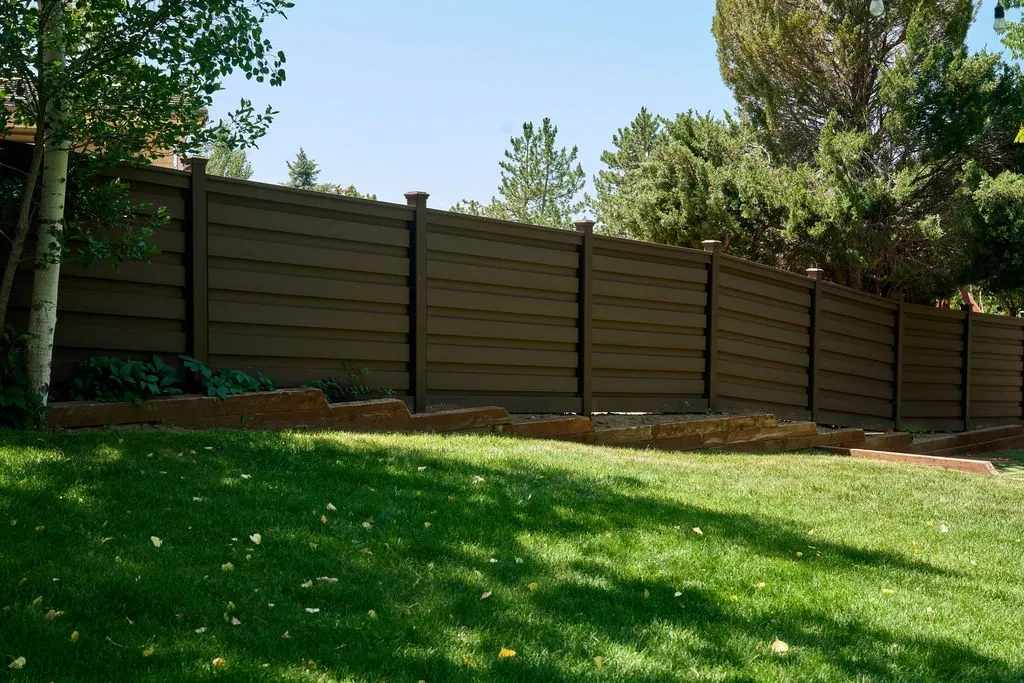
- Terrain and obstacles: Are there slopes, trees, utility lines, or uneven ground? These can impact the style you choose (for example, a wood fence installation on a slope may need stepped panels).
- Drainage and soil condition: Poor drainage or shifting soil can affect post stability, especially for heavier materials like metal.
- Local zoning and HOA requirements: In the city of Omaha, a permit is required for fences, and there are height and setback rules you must follow.
By completing these checks before contacting a fencing professional, you’ll be well prepared for the next steps.
Selecting the Right Material for Your Project
Choosing the correct material impacts cost, maintenance, and longevity of your fence installation. Here are the most common options and how they compare for an Omaha-area property:
Wood Fence Installation
Classic and customizable, wood gives a warm, natural aesthetic. You can stain or paint it, adjust board spacing, and tailor it to match your home’s exterior. On the flip side, wood requires more maintenance over time (sealing, repairing, warping, checking for rot).
Vinyl Fence Installation
Vinyl offers a clean, low-maintenance alternative to wood. It won’t rot or warp like wood, making it appealing for busy homeowners. However, vinyl may require additional reinforcement or heavier posts if you want tall panels.
Metal Fence Installation
For maximum durability and minimal upkeep, metal fences are a top choice. Whether you go with aluminum, steel, or ornamental iron, a metal perimeter holds up well in variable weather, resists warping, and offers strength and style.
Each material has its place, but for homeowners in Omaha looking for long-term value and reliable performance, metal often leads the way.
Permitting and Regulatory Considerations
When planning your fence installation, it’s vital to follow local laws and obtain the necessary permits. According to the city code of Omaha:
- A permit is required to erect or replace a fence within city limits.
- There are zoning rules around maximum height, side-yard or front-yard placements, and openness (especially in street-side yards).
- State law (Nebraska) also outlines responsibilities for adjoining landowners when it comes to constructing and maintaining a “division fence”.
Failing to comply can lead to delays, fines, or forced removal. That’s why choosing experienced professionals such as Top Rail Fence Omaha helps you stay compliant and save time.
Site Preparation Checklist for a Smooth Installation
Here’s a step-by-step preparation guide to help streamline your fence installation:
-
Mark your layout – Stake corners, run string lines between posts, and mark gates or corners.
-
Call utility services – Before digging post holes, ensure you’ve requested utility locates to avoid damaging underground lines.
-
Clear the area – Remove brush, debris, or obstructions along the fence line.
-
Check setbacks and easements – Double-check where you can legally place posts and panels based on your zoning district.
-
Choose post depth and spacing – Especially important for heavier materials like metal. Ensure proper concrete footings.
-
Choose gates and hardware – Think ahead about latch types, swing direction, and whether enhancements (like automatic gates) are desired.
-
Meet with your installer – For example, when you contact Top Rail Fence Omaha, you’ll review style choices, materials, and schedule.
With these preparation steps completed, your installation goes faster, smoother, and with fewer surprises.
What to Expect During Installation Day
On the big day of your fence installation, here’s what typically happens:
- Posts are set first, usually in concrete for strength and stability.
- Panels or rails are attached once posts are properly aligned and cured.
- For metal fence installation, welds or brackets are secured, and surfaces are coated to protect against rust.
- If you choose a wood fence installation, boards are affixed, gaps checked, and staining or sealing may begin.
- For vinyl fence installation, panels are snapped or slid into place and properly supported.
- Final inspection and cleanup; your installer ensures everything is plumb, level, and aligned.
Having done your prep work (as above) ensures the job goes quickly and cleanly.
Looking Ahead: Maintenance & Longevity
After your fence installation is complete, set expectations for maintenance and lifespan:
- Metal fence installation usually requires the least upkeep, periodic cleaning, and checking for chips in coatings.
- Vinyl fence installation is low-maintenance, but check for shifting posts or damage after storms.
- Wood fence installation requires more care, resealing or staining every few years, checking for rot, and replacing boards as needed.
With the right material and professional installation, your new fence can last for years, and it preserves property value in the process.
Why Choose Top Rail Fence Omaha
By choosing Top Rail Fence Omaha, you’re working with a company that knows local codes, terrain, and weather conditions. From metal fence installation to wood fence installation and vinyl fence installation, we handle it all, ensuring your fence is installed correctly, on time, and on budget.
We also assist with permitting, layout, and long-term durability planning, making your investment in fencing as straightforward as possible.
Frequently Asked Questions (FAQs)
Do I always need a permit for fence installation in Omaha?
Yes, in many cases, a permit is required before any fence installation begins inside city limits. Check with the local planning department for your specific zoning.
What material is best for my fence installation?
It depends on your goals. For low maintenance and strong weather resistance, a metal fence installation is excellent. For budget-sensitive projects, wood fence installation may be preferred. For clean aesthetics and minimal care, vinyl fence installation works well.
How long does a professionally installed fence last?
With correct installation and maintenance, a metal fence can last 20–30+ years, vinyl can last 15–25 years, and wood will vary widely depending on the material and climate.
Can I install the fence myself?
You certainly can, but professional installation by the team at Top Rail Fence Omaha ensures compliance, quality materials, and a smoother process, especially when dealing with complex terrain or permit requirements.
Ready to move ahead? Contact Top Rail Fence Omaha today for a free consultation and quote by visiting our Contact Us page. Then explore how we can serve your local area via our location page and learn more about our full suite of fence installation services.