Different neighborhoods across Omaha shape how homeowners choose the right fence material for long-term protection, privacy, and curb appeal. Architectural style, HOA expectations, soil conditions, and weather exposure all play major roles in these decisions. Today, Top Rail Fence Omaha breaks down how community characteristics influence the type of fencing homeowners rely on, especially as the city continues to grow and evolve.
Homeowners often explore a wide range of options, but understanding what works best in a specific neighborhood prevents early repairs, mismatched designs, and unnecessary spending. This guide explains what affects fence material choices and how to compare each option based on performance and design.
Neighborhood Design Trends That Affect Material Selection
Different Omaha communities lean toward different fence styles, and those trends help determine which fence material holds up best. Suburbs with strong architectural themes or HOA rules often favor certain looks that complement the neighborhood’s character.
Architectural influence on material choices
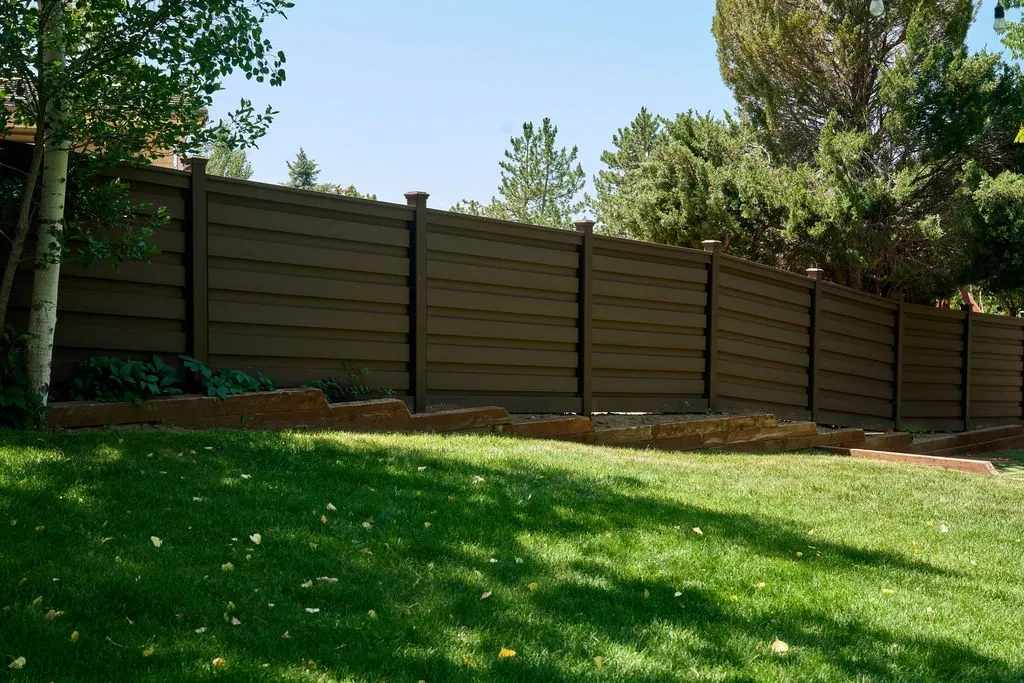
Many newer subdivisions favor clean, modern lines and low-maintenance finishes. This makes composite fencing a popular option because it provides a sleek look without the yearly upkeep. In contrast, older, historic neighborhoods often lean toward natural finishes and traditional aesthetics, driving interest in classic wood-style fencing panels designed to blend with mature landscapes.
These preferences help homeowners stay aligned with community standards while increasing home value. When deciding between options, browsing fence planning and materials resources can help you compare durability and appearance.
Climate and Soil Conditions Across Omaha Neighborhoods
Omaha neighborhoods experience different levels of wind exposure, soil movement, and moisture. Those factors directly affect how long a fence lasts and how well certain fence material choices perform over time.
Weather exposure
Neighborhoods on the outskirts of the city get stronger winds and more open sunlight. Here, composite fencing performs well because it resists fading and does not warp. Homeowners in shaded, moisture-heavy areas should consider rot-resistant materials, especially when selecting fencing panels that will sit close to the ground.
Soil differences
Clay-heavy areas around western Omaha can shift more during freeze-thaw cycles. That movement can tug on posts and fasteners, especially when lower-grade fencing supplies are used. Durable posts and reinforced installation methods are essential in these neighborhoods.
The Impact of Local Regulations and HOA Requirements
Rules vary widely between counties, HOAs, and residential associations. These restrictions influence both height and acceptable fence material options.
Height and style limitations
Some communities allow taller privacy fencing, while others require semi-open designs. Homeowners considering composite fencing in regulated areas should first confirm that the color and texture comply with local guidelines.
Maintenance expectations
Neighborhoods with strict maintenance standards usually prefer long-lasting materials because they maintain curb appeal with minimal upkeep. This is a major reason many homeowners contact Top Rail Fence Omaha to compare low-maintenance materials with traditional choices.
Comparing Material Options Based on Neighborhood Needs
Choosing the right fence material involves comparing durability, cost, and appearance. Each neighborhood’s needs shift the balance of what is most important.
Wood-style designs
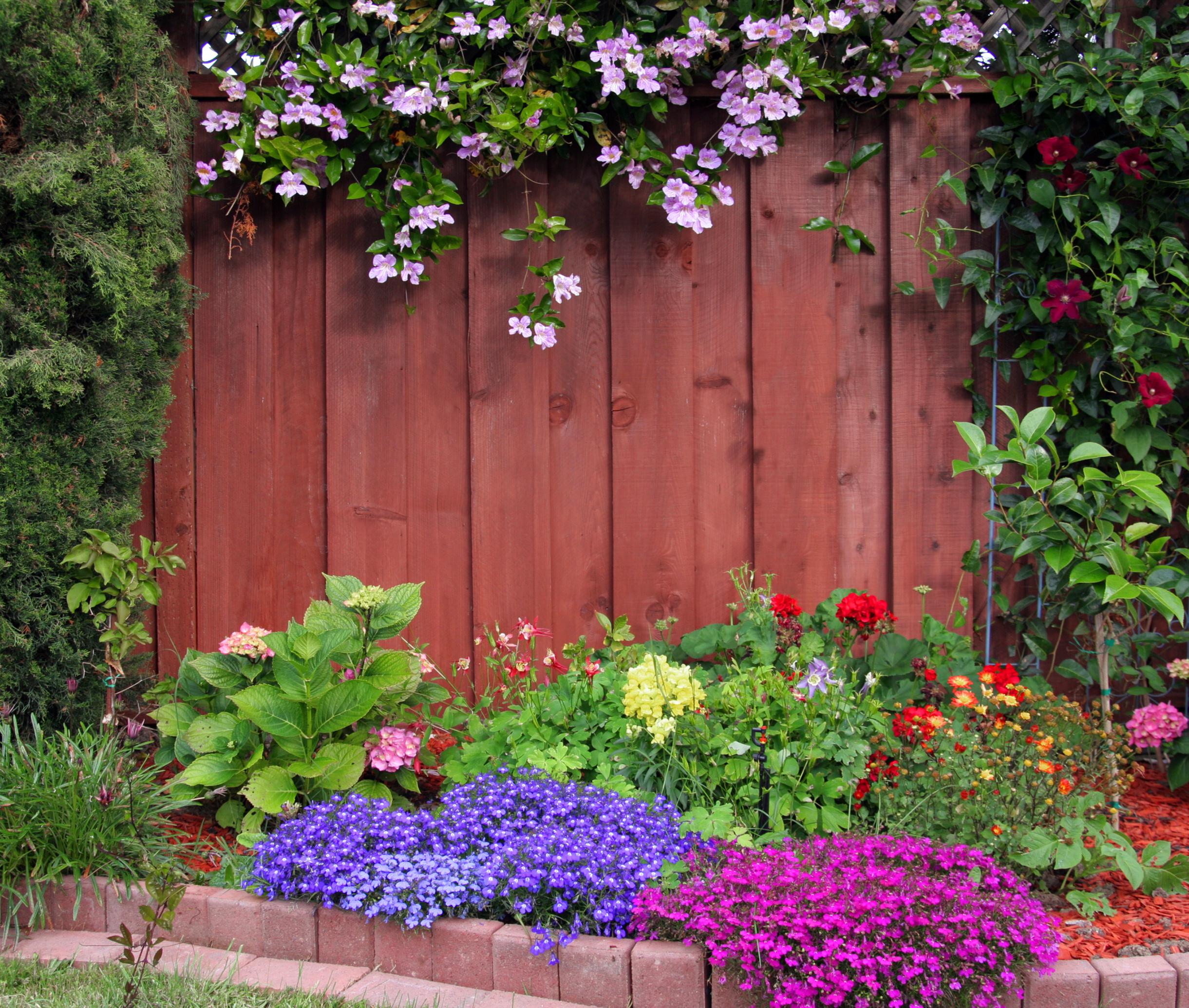
These remain popular in areas that value natural aesthetics. They offer flexibility in color and form, but they require more upkeep. High humidity or shade can shorten their lifespan if the wood is not properly sealed.
Composite fencing
Using composite fencing gives homeowners a balance of style and strength. It handles Omaha’s temperature swings well and avoids rot and insect damage. This option fits well in communities that want modern design with long-term performance.
Metal and hybrid systems
In some suburban edges, metal frames paired with premium fencing panels offer homeowners a sturdy look without losing design flexibility. These options work best for homeowners who want to combine privacy with a long-lasting structure.
For those comparing different materials or reviewing the availability of fencing supplies, exploring neighborhood-specific material variety helps you make a choice that fits your area.
Common Issues Homeowners Face With Material Selection
Knowing what challenges are likely in your area will make choosing a fence material easier.
Moisture and rot concerns
Moisture pockets in shaded areas can shorten the life of natural wood. When this happens repeatedly, switching to composite fencing or reinforced hybrid panels can reduce long-term repairs.
Color fading
Sun-exposed communities may experience fading on low-quality materials. UV-resistant fencing panels help maintain appearance longer.
Structural shifting
Soil expansion and contraction in certain neighborhoods can weaken post foundations. High-quality installation and professional guidance reduce that risk significantly.
Ask an Expert at Top Rail Fence Omaha
No two Omaha neighborhoods are the same. Weather, soil, and design standards all influence which fence material will last the longest and look the best. Whether you are comparing natural wood, metal systems, or modern composite fencing, the right choice depends on your local environment and long-term needs.
Homeowners looking for more guidance can explore the Top Rail Fence Omaha location page to review available material options. If you are ready to discuss the best fit for your property, you can reach out through the contact page for personalized recommendations.
To compare different installation approaches, review this internal guide on fence installation methods, which blends directly into your research process.
With expert support from Top Rail Fence Omaha, you can choose a fence material that fits your neighborhood, withstands Omaha’s unique climate, and enhances your home’s long-term value.