In Omaha, seasonal weather patterns shape how outdoor structures perform year after year. Homeowners who invest in cedar fence installation often notice subtle adjustments in their fencing after a freeze–thaw cycle. These changes are natural responses to moisture, temperature shifts, and soil movement. Many residents turn to Top Rail Fence Omaha for guidance on how the climate affects a cedar wood fence and what to expect as seasons transition.
Winter moisture followed by spring thaw places stress on materials that expand and contract. Cedar remains one of the most reliable choices for fencing in Omaha, yet even this resilient wood responds to environmental conditions. Understanding these adjustments helps homeowners plan smarter maintenance and installation decisions.
How Freeze–Thaw Cycles Impact Cedar Fencing
Cedar is valued for its dimensional stability and natural resistance to decay. However, during freezing temperatures, the moisture absorbed in the wood fibers can freeze and expand. When temperatures rise, that moisture thaws and evaporates, allowing the wood to settle again.
Natural Expansion and Contraction
A properly completed cedar fence installation accounts for seasonal movement. Boards may appear slightly tighter in humid months and marginally narrower when dry air returns. This adjustment is typically minimal, especially when installation spacing is handled correctly.
Professional installers in Omaha anticipate this movement by allowing for natural airflow between boards. Without proper spacing, pressure can build, causing minor warping or shifting over time.
Soil Movement and Post Stability
The freeze–thaw cycle affects more than the fence boards themselves. Soil in Omaha expands when frozen and contracts as it thaws. This can place pressure on fence posts. A well planned cedar fence installation includes deep post placement and secure anchoring to minimize long term shifting.
When posts are installed below the frost line, structural stability improves significantly. This detail often separates a durable fence from one that requires early adjustment.
Why Cedar Performs Well in Omaha’s Climate
Despite seasonal adjustments, cedar remains a preferred fencing material because of its natural properties.
Moisture Resistance and Longevity
A quality cedar wood fence contains natural oils that resist moisture penetration and insect activity. These oils help the wood endure fluctuating temperatures better than many alternative materials.
According to the U.S. Forest Service Forest Products Laboratory, cedar species are widely recognized for durability in outdoor applications due to their resistance to decay. This makes cedar fence installation a smart long-term investment for properties in climates with freeze–thaw cycles.
Reduced Risk of Splitting
Compared to other softwoods, cedar tends to split less dramatically when exposed to rapid temperature shifts. While minor surface checks may appear, these are typically cosmetic and do not compromise structural integrity.
Homeowners researching fencing options often explore wood fencing solutions to better understand how cedar compares to pressure-treated alternatives. This informed approach leads to more confident decisions.
The Subtle Adjustments Homeowners Notice
After winter transitions into spring, some homeowners observe small visual changes in their fencing.
Slight Board Gaps
As moisture evaporates in warmer months, boards installed tightly during winter may develop small, even gaps. This is a normal and anticipated part of cedar fence installation planning. Experienced installers factor in these seasonal shifts during construction.
Rather than indicating failure, these gaps show that the wood is adapting naturally to its environment.
Minor Post Realignment
If soil settles unevenly during thawing, a fence section may appear slightly out of alignment. In professionally managed projects by Top Rail Fence Omaha, post depth and reinforcement techniques significantly reduce this risk. When adjustments are needed, they are typically minor and easily corrected.
Privacy Performance Through Seasonal Changes
For homeowners who choose a cedar privacy fence, seasonal movement can influence visual coverage.
Maintaining Consistent Coverage
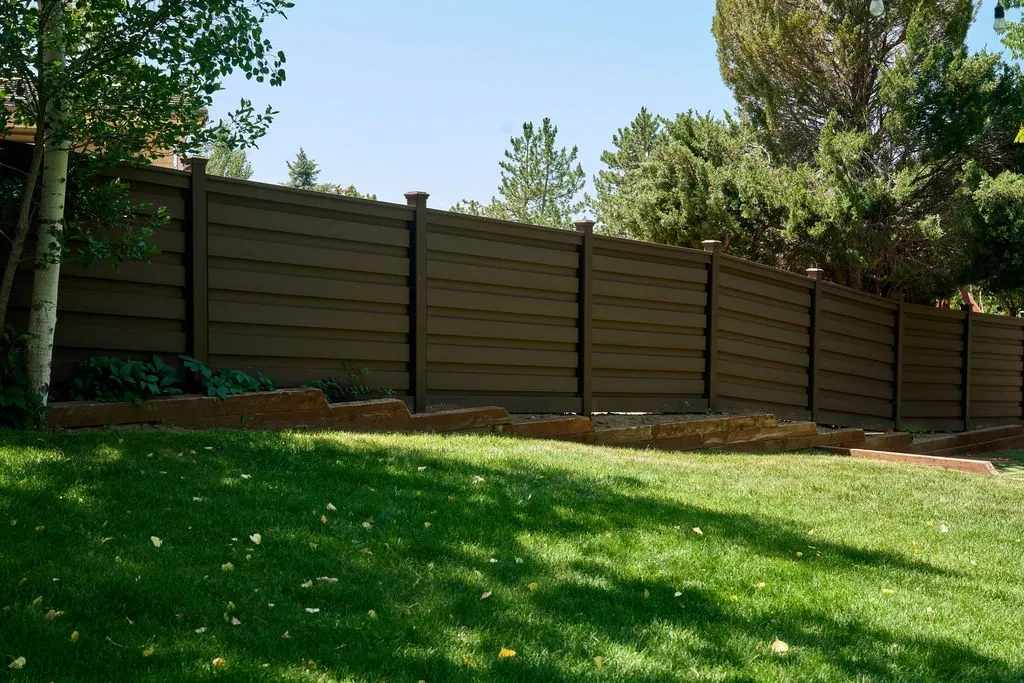
A properly spaced cedar privacy fence maintains effective screening even as boards shift slightly. The key lies in thoughtful design and professional measurement during cedar fence installation.
In Omaha, privacy remains a top priority for backyard spaces. Whether enclosing patios, pools, or garden areas, cedar continues to provide both function and visual warmth throughout the year.
Balancing Airflow and Structure
Freeze–thaw cycles highlight the importance of ventilation. Slight spacing between boards prevents moisture buildup and allows the fence to breathe. This balance preserves both privacy and longevity.
Planning for Long-Term Stability
Homeowners who understand seasonal behavior are better prepared to maintain their fence investment.
Importance of Professional Installation
The durability of a cedar wood fence depends heavily on installation quality. Post depth, spacing accuracy, and grading all influence how well the fence handles winter stress. Choosing Top Rail Fence Omaha ensures that cedar fence installation aligns with local soil and climate conditions in Omaha.
When evaluating cedar fence installation cost, it is important to consider long-term performance rather than focusing solely on upfront pricing. A properly installed fence may cost more initially, but it reduces repair expenses over time.
Budget Considerations Beyond Initial Pricing
Many homeowners compare the cost of cedar fence installation to alternative materials. While cedar may require a higher initial investment, its longevity and repair flexibility often offset replacement expenses associated with lower-grade materials.
Understanding how climate affects fencing helps homeowners see value beyond short-term budgeting.
Seasonal Inspections and Preventative Care
Routine checks after winter can extend the life of any cedar privacy fence.
Post Winter Walkthrough
Inspect posts for shifting and confirm gates open smoothly. Small adjustments made early prevent larger issues later.
Surface Protection
Applying a protective stain after a freeze–thaw season can enhance moisture resistance and maintain the natural tone of a cedar wood fence. Maintenance schedules vary depending on sun exposure and yard conditions in Omaha.
Making Climate-Conscious Fence Decisions
Freeze–thaw cycles are unavoidable in Omaha, but they do not have to shorten the lifespan of your fence. A thoughtfully executed cedar fence installation anticipates seasonal movement and builds resilience into every section.
By working with Top Rail Fence Omaha, homeowners gain access to expertise tailored to regional weather patterns. From evaluating cedar fence installation cost to designing a durable cedar privacy fence, professional insight ensures lasting results.
If you are planning a fencing project or have questions about seasonal adjustments, visit our Contact Us page to connect with Top Rail Fence Omaha and explore solutions designed specifically for Omaha properties.